Listen to New Voices on Studs Terkel our partnership with 826CHI-here! Read the Story


Showing 76 - 90 of 94 results
-
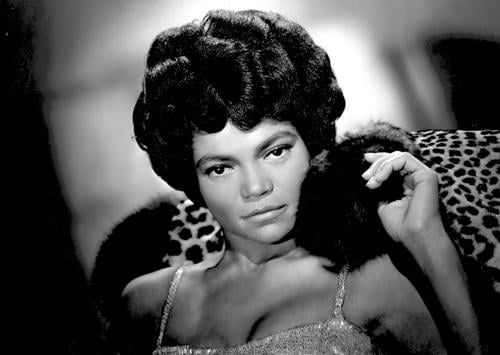
Eartha Kitt discusses her music career ; part 3
Jul. 10, 1962 Studs Terkel continues to interview actress and singer Eartha Kitt. Part 3 of the interview begins with Kitt discussing the following; her career; her international travels; and linguistic abilities.
-
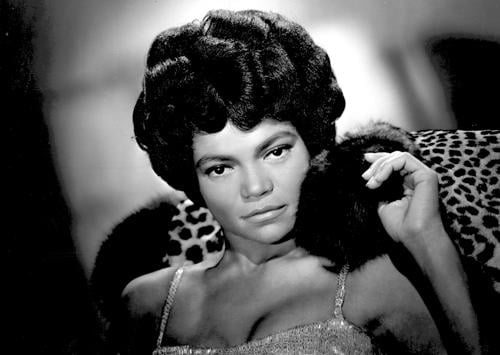
Eartha Kitt discusses her music career ; part 2
Jul. 10, 1962 Studs Terkel continues to interview actress and singer Eartha Kitt. Part 2 of the interview begins with the song "Üsküdara", and ends with "Mountain High, Valley Low", both sung by Kitt. Kitt discusses the following; her career; her desire to entertain; her autobiography, "Thursday's Child"; her mothers death; the art of interacting with the audience; the femme fatale; her time with the Katherine Dunham Dancers; and her portrayl of Helen of Troy.
-
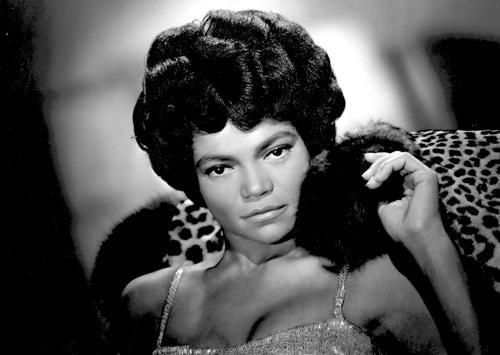
Eartha Kitt discusses her music career ; part 1
Jul. 10, 1962 Studs Terkel interviews actress and singer Eartha Kitt. The program begins with a musical selections sung by Kitt, "C'est Si Bon". Kitt discusses the following; her career; how the songs she sings are interpreted and preferred by people of different nationalities; what led her to be an international star; her childhood; her meeting with Albert Einstein;
-
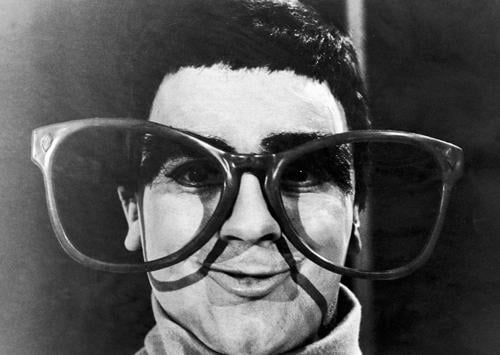
Dudley Moore discusses his background and influences
Jan. 6, 1963 When he was a child, Dudley Moore first wanted to study the violin. He's grateful to his mother for insisting that he first study the piano. Moore said his influences include Bach and Garner. Unlike other musicians, Moore's main focus has always been on the beat, both the cultivation and the presence of the beat of a song and of music.
-
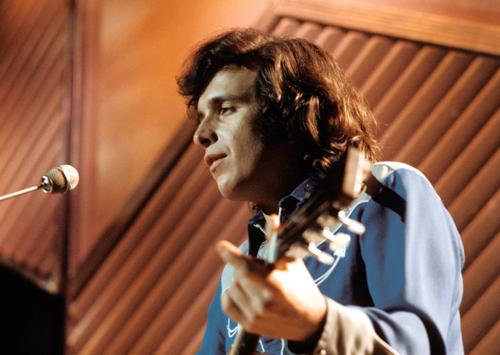
Don McLean discusses his career and his music
1980 Don McLean discusses his career and his music. Don McLean discusses his influences, life experiences, and his songwriting.
-
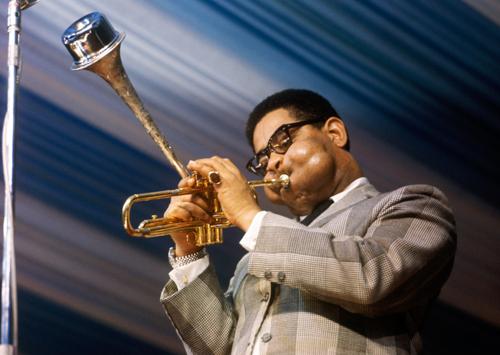
Dizzy Gillespie discusses the art of jazz ; part 2
Mar. 30, 1961 Part 2 of the program continues with Dizzy Gillespie discovering the following: his jazz style; his interactions with other musicians; and his latin musical influences. The following Gillespie musical excerpts are played: "Tin Tin Deo"; "La Lorraine"; and an musical piece (with an undisclosed title) is played to end the program.
-
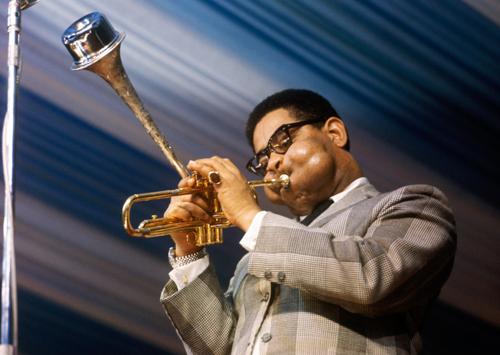
Dizzy Gillespie discusses the art of jazz ; part 1
Mar. 30, 1961 Part 1 of this program begins with Studs Terkel reading an excerpt from the book "Giants of Jazz" , which describes Dizzy Gillespie's early life. Gillespie discusses the following: the state of jazz; his fellow musicians; jazz contributors; jazz fundamentals; and his tours abroad. Gillespie's "Groovin' High" is played towards the end of this part of the program.
-

Derek Bell and Kevin Conneff of the Chieftains musical group discuss Irish folk music
Dec. 8, 1976 Interviewing Derek Bell and Kevin Conneff two members of the Chieftains musical group specializing in Irish folk music.
-
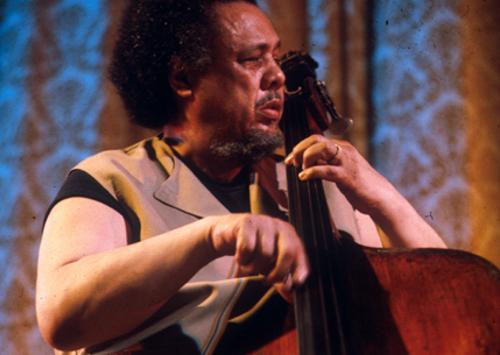
Charles Mingus discusses his book "Beneath The Underdog"
May. 20, 1971 Studs Terkel speaks with Charles Mingus about his life and work in the context of his autobiography "Beneath The Underdog".
-
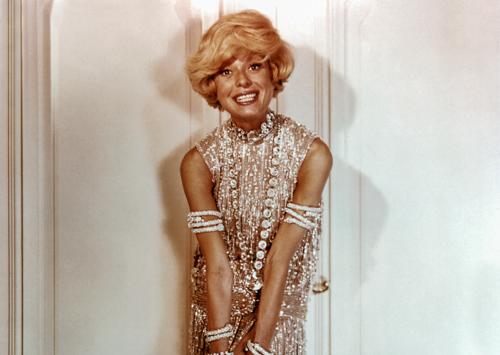
Carol Channing discusses her career
May. 11, 1959 Carol Channing discusses the following with Studs Terkel: her early career; her growth as actor/comedian; her approach to her work; her performance in "Lorelei" as Lorelei; her performance in "Wonderful Town" as Ruth; the job of the understudy; and breaking performance barriers and type casting.
-
Brownie McGhee and Sonny Terry discuss their careers as blues musicians
Jan. 28, 1970 Brownie McGhee and Sonny Terry discuss their careers as blues musicians and longtime collaborators. The close relationship between Terry and McGhee is apparent as they perform a number of original and traditional songs during the interview. Songs have been removed due to copyright.
-
Brick Top discusses her career, her colleagues, and the jazz scene
May. 6, 1975 Brick Top discusses her career, her colleagues, and the jazz scene.
-
Blind John Davis discusses Chicago blues
Sep. 20, 1977 Blind John Davis, Chicago blues pianist, discusses his time playing in Germany and at the Blue Note jazz club, chitlin' parties, growing up on the West side of Chicago. He also recalls meeting and working with musicians like Tampa Red and Big Bill Broonzy. Music has been removed from this recording for copyright reasons.
-
Big Bill Broonzy discusses the blues ; part 2
Jul. 22, 1953 Big Bill Broonzy discusses the blues and growing up in Arkansas with parents who were former slaves. He talks about the family dynamic and sings: "Willie Mae", "Crawdad song", "Going down this road feeling bad" and "John Henry".
-
Big Bill Broonzy discusses the blues ; part 1
Jul. 22, 1953 Big Bill Broonzy discusses the blues and growing up in Arkansas with parents who were former slaves. He talks about the family dynamic and sings: "Crying Joe Turner", "C.C. Rider", "Make my get away", and " You've got to stand your test in judgement" . Part 1