

-

Alix Kates Shulman discusses her book "Memoirs of an Ex-Prom Queen"
Jul. 28, 1972 Sasha, the main character in Alix Kates Shulman's book, "Memoirs of an Ex-Prom Queen" is obsessed and worried about her good looks. Sasha is all of 24 now, and she was told that by the time she's 30, her good looks will fade. Once a new queen is named, Sasha's mother tells her, you become a has been. The prom queen theme of the book, says Shulman, is to compete for the man and to be #1. Similar to the Miss America contest, women are parading before the men, parading before the judges for their attention.
-
Alistair Cooke discusses his book "Alistair Cooke's America"
Oct. 30, 1974 Discussing the book "Alistair Cooke's America" and interviewing the author Alistair Cooke.
-
-
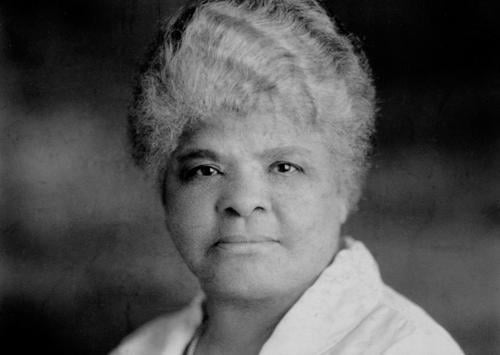
Alfreda Wells discusses her mother, Ida B. Wells-Barnett and her book "Crusade for Justice"
Sep. 3, 1971 Alfreda Wells, the youngest child of Ida B. Wells-Barnett, talks about her mother's life and work as an investigative journalist and strong champion of civil and women's rights. This version does not have music.
-
Alfred McCoy discusses heroin trafficking; part 2
1971 Alfred McCoy discusses the history of heroin trafficking within the context of American foreign policy.
-
Alfred McCoy discusses heroin trafficking; part 1
1971 Alfred McCoy discusses the history of heroin trafficking within the context of American foreign policy.
-
Alfred Eisenstaedt in conversation with Studs Terkel
Jun. 1, 1990 Discussing the book "Eisenstaedt: Remembrances," with the author Alfred Eisenstaedt. A renowned photojournalist, Eisenstaedt was one of the first staff photographers for LIFE magazine when it debuted in 1936.
-
Alfred Alvarez discusses his book "The Savage God: A Study of Suicide"
May. 5, 1972 Alfred Alvarez, poet and author, talks about his new book, "The Savage God," and how depression and suicide affects people. He talks about his past experience with his friend Sylvia Plath and the end of her life. The two men also discuss the history of suicide including the Greeks, Judas, Middle Ages, and the Renaissance. Alvarez also talks about famous artists who have committed suicide and why the 20th century may have caused so many suicides. Alvarez reads the opening passage and epilogue of his book.
-
-
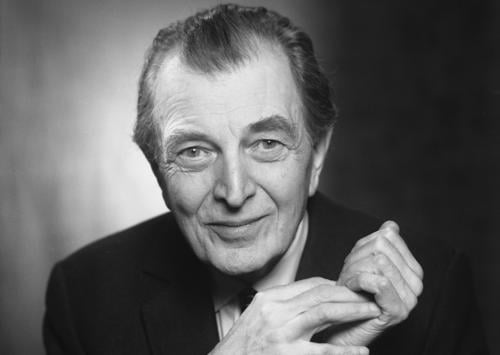
Alexander Tcherepnin discusses his childhood and career as a composer
Mar. 8, 1977 Studs interview with Alexander Tcherepnin about his compositions for opera and a variety of instrumentals. Tcherepnin shares his childhood in Saint Petersburg born into a family with a rich musical background. He also shares his opinion about how Hitler affected the opera in Europe. This edited version does not include the musical recordings played in the original version.
-
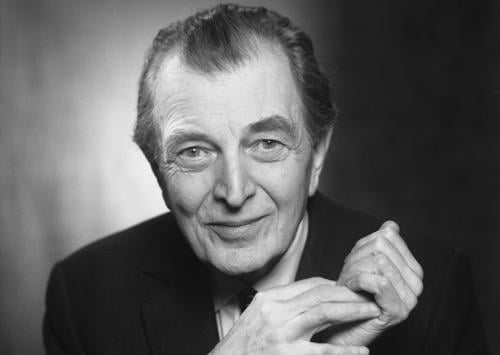
Alexander Tcherepnin discusses his career ; part 2
May. 21, 1962 Russian composer Alexander Tcherepnin discusses his travels to China & Japan and their influence on his music, composing for non-traditional instruments, electronic music, teaching young composers, and his "Concerto No. 2".
-
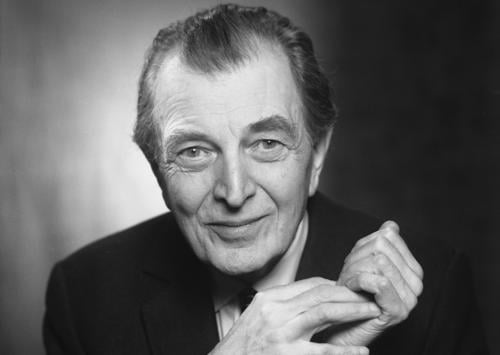
Alexander Tcherepnin discusses his career ; part 1
May. 21, 1962 Russian composer Alexander Tcherepnin discusses his early upbringing, training, and composing in Saint Petersburg, as well as the influence of his composer father, Benois family relatives, and associates of Ballet russes.
-
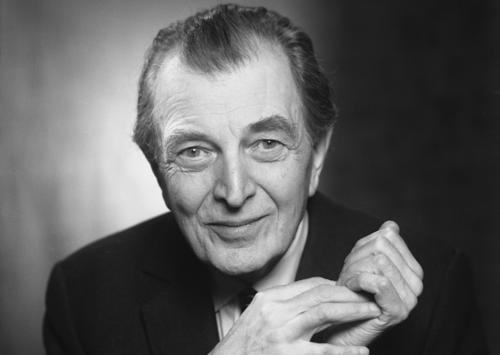
Alexander Tcherepnin discusses his career
Nov. 10, 1959 Russian composer Alexander Tcherepnin discusses his early upbringing, training, and composing bagatelles in Saint Petersburg, as well as the influence of his composer father, Benois family relatives, Russian/Asian/European cultural influence, electronic music.
-

Alexander Sutherland Neill discusses lying to children
1963 Alexander Sutherland Neill says no one should ever lie to a child because children are brutally honest. Neill says people tend to live their lives as a lie. Neill also points out that when someone comes knocking at the door, and one tells the child to tell that person that so and so is not home, adults are teaching their children about white lies. This is a very short interview that ends abruptly.
-
Alexander Eliot discusses his book "Sight and Insight"
Mar. 14, 1959 In his book, "Sight and Insight," Alexander Eliot talks about having spent time in Spain and reflecting upon the masterpieces of art that he has studied and researched throughout his life. Eliot spoke of people being able to use their imagination and their mind's eye to fill in a piece of artwork if something were missing from it. Eliot explained, with one's insight, comes sight.