Listen to New Voices on Studs Terkel our partnership with 826CHI-here! Read the Story


Showing 76 - 88 of 88 results
-
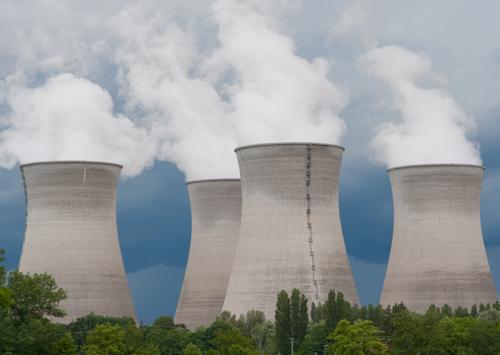
David Rossin and McKinley Olson debate nuclear energy
Oct. 5, 1976 David Rossin from Commonwealth Edison and McKinley Olson, a reporter and author of "Unacceptable Risk", debate the pros and cons of nuclear energy.
-

David Attenborough discusses the book and television documentary "Life On Earth"
Oct. 29, 1981 Biologist, natural historian, and author David Attenborough discusses his book and upcoming television series “Life on Earth.” The book, show, and this interview focus on discussing the evolution of life.
-
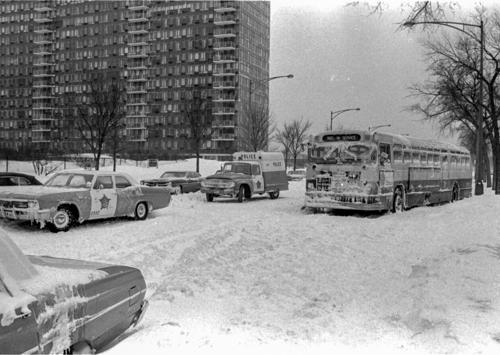
Chicago Blizzard field recordings: January 1967 snow-in ; part 2
May. 13, 1967 Terkel discussing the snow-in in Chicago in January 1967. Interviewee talks about how the human interaction differs during a blizzard then on a clear day.
-
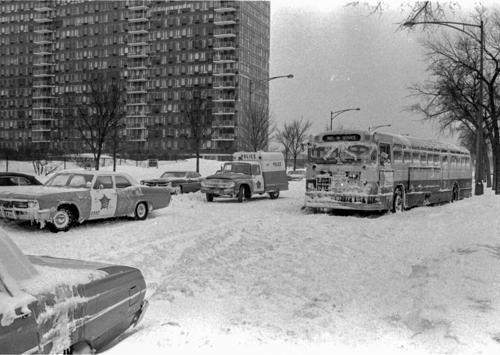
Chicago Blizzard field recordings: January 1967 snow-in ; part 1
May. 13, 1967 Studs Terkel talks to people on the street about their observations during the blizzard that caused many people to be snowed-in. A veteran news vendor said the deliveries are slower, there are no cars or taxis around and that everyone who works downtown is staying in the hotels downtown. A young police officer said he witnessed more people giving others rides. One gentleman told Terkel that to him, it was as though everyone knew each other, and there were no strangers in a blizzard.
-
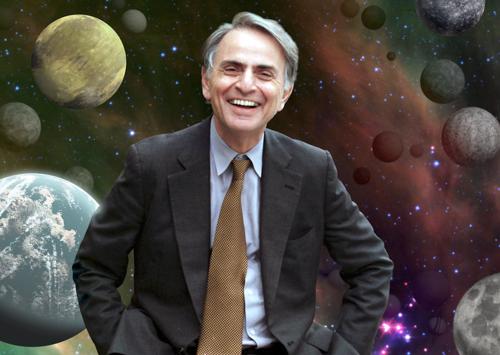
Carl Sagan and Ann Druyan discuss their book "Shadows of Forgotten Ancestors"
Oct. 5, 1992 Evolution and the future of the human race are among topics in Carl Sagan's and Ann Druyan's book, "Shadows of Forgotten Ancestors: A Search for Who We Are." Included is an excerpt of the astronomer Harlow Shapley speaking at the beginning. Carl Sagan also reads an excerpt from the book at the end.
-
Buzz Hirsch discusses the film "Silkwood"
Jan. 6, 1983 Discussing the film "Silkwood" a movie about Karen Silkwood and the circumstances surrounding her death with movie producer Buzz Hirsch.
-
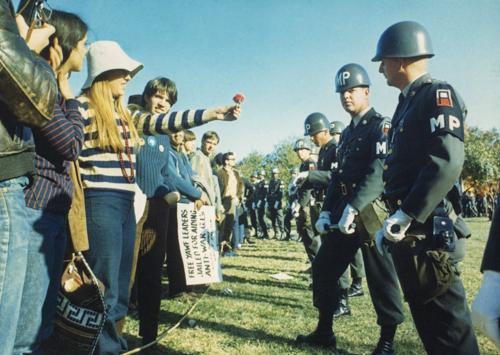
Bob and Joan Ericksen discuss the literary work of Peter Weiss and environmental ecology
1967 Bob and Joan Ericksen, both educators, artists, and environmental ecologists, discuss the literary work of Peter Weiss' "I Come Out of My Hiding Place" and environmental ecology. Excerpt of Peter Weiss reading from "I Come Out of My Hiding Place." The book speaks of why he writes and why he pursues his art (unknown source). The interview ends with a reading by Studs of an excerpt fro, Gustav Meyrink's "The Green Face."
-
Bill McKibben discusses his book "The End of Nature"
Oct. 13, 1989 Bill McKibben, author and environmentalist discusses his book "The End of Nature." McKibben talks about climate and weather, greenhouse gasses, fossil fuels, chlorofluorocarbons, and carbon dioxide. He also explains how climate change could damage the ecosystems including birds. He ends the interview discussing what can be changed such as solar power.
-
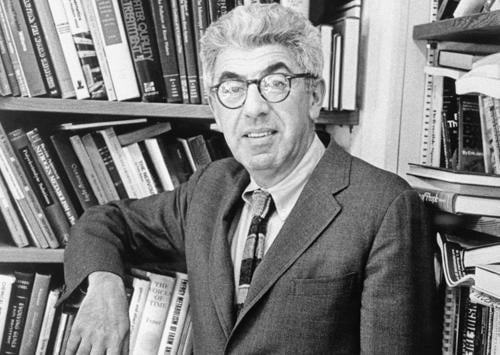
Barry Commoner discusses his book "The Poverty of Power: Energy and the Economic Crisis"
May. 20, 1976 Biologist and author Barry Commoner discusses his book "The Poverty of Power: Energy and the Economic Crisis."
-
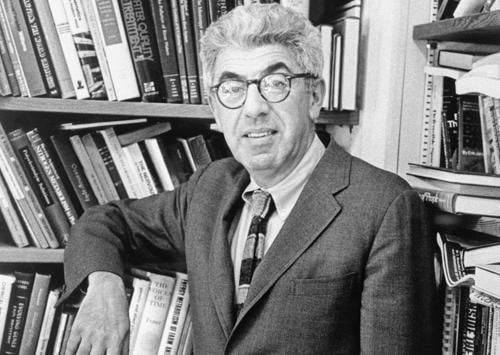
Barry Commoner discusses his book "Making Peace with the Planet"
Apr. 12, 1990 According to Barry Commoner's book, "Making Peace with the Planet," we, as the human species, are in and are witnessing a war between the ecosphere and the technosphere. Commoner explains that today's cars emit a lot of smog into the big cities. Trucks move consumer goods from place to place, using four times more fuel than trains. Everyone should ask themselves what is their interest in the quality of the environment and that of nature.
-
Anthony Sampson discusses his book "The Seven Sisters"
Oct. 31, 1975 Discussing the book, The Seven Sisters: the Great Oil Companies and the World they Made, and interviewing author Anthony Sampson.*Please note: some sections have been edited out from the original recording due to copyright considerations
-
Angela Pieroni and Dr. Bertram Carnow discuss air pollution
1970 A homemaker, Angela Pieroni, has spent eight years fighting for the rights of everyone to breath clean air. Pieroni explains she's done with just complaining and being brushed aside. She wants to see national legislation against air pollution. Dr. Bertram Carnow said he's not sure how long we'll be around as a species. Carnow explained that perhaps two or three million people will have to die before authorities take air pollution seriously.
-
An Earth Day conversation with Will Steger and Jon Bowermaster
Apr. 26, 1990 A conversation about ecology, with the authors of Saving the Earth: A Citizen's Guide to Environmental Action.*Please note: some sections have been edited out from the original recording due to copyright considerations