Listen to New Voices on Studs Terkel our partnership with 826CHI-here! Read the Story


Showing 76 - 90 of 558 results
-
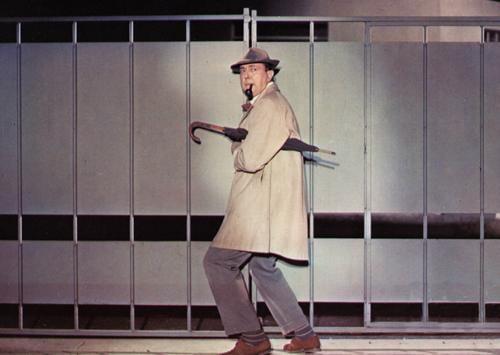
Studs Terkel discusses the film "Mon Oncle"with creator Jacques Tati
Dec. 12, 1958 Studs Terkel reintroduces this 1958 broadcast with Jacques Tati in a 1992 rebroadcast. At 39:06, Terkel includes a musical epilogue to the conversation with Jacques Tati with French children's songs such as "Cadet Rousselle". Tati discusses his films "Mr. Hulot's Holiday" and" Mon Oncle" and his emphasis as writer, director, actor, and producer to maintain a naturalness. He doesn't want lights, cameras or action to influence the actors. Naturalness will respect independence and keeping it simple and real will create pride and invite people in.
-

Studs Terkel discusses songs about domestic violence against women
Aug. 5, 1981 Terkel presents songs that discuss the subject of domestic violence against women. Songs range from ballads in musicals, to jazz torch songs, to popular music at the time.
-
Studs Terkel comments and presents the Sophiatown Church of Christ the King ; part 3
1963 Presenting performances at the Sophiatown Church of Christ the King while Studs was in South Africa. They talked how they brought folk music back to South Africa.
-
Studs Terkel comments and presents the Sophiatown Church of Christ the King ; part 2
1963 Presenting performances at the Sophiatown Church of Christ the King while Studs was in South Africa. They talked how they brought folk music back to South Africa.
-

Studs Terkel comments and presents the Sophiatown Church of Christ the King ; part 1
1963 Presenting performances at the Sophiatown Church of Christ the King while Studs was in South Africa. They talked how they brought folk music back to South Africa.
-
Studs Terkel comments and presents on the life and work of George Gershwin
Feb. 6, 1979 Terkel comments and presents musical performance of Gershwin program.
-
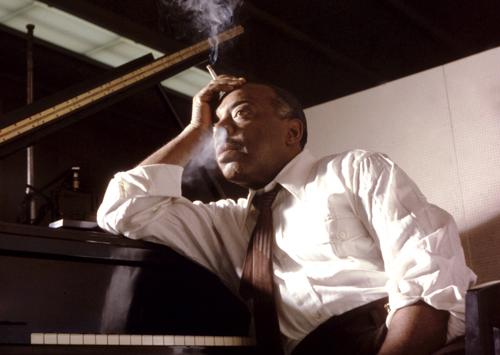
Studs Terkel and William (Bill) Leonard discuss their favorite memories of Frank Holzfeind and the Blue Note Jazz Club in Chicago
Jan. 9, 1975 Studs Terkel and William (Bill) Leonard share memories of the Blue Note Jazz Club as a tribute to Frank Holzfeind. Music is played throughout the episode: "After You've Gone" by the Benny Goodman Sextet, "The Flat Feet Floogie" by Slim and Slam, "How High the Moon" by Sarah Vaughan, "Destination K.C." by Count Basie, "West End Blues" by Louis Armstrong, "Lil' Augie Is A Natural One Man" by Chet Roble, and "Rock Skippin' at the Blue Note", Duke Ellington. Songs have been removed for copyright reasons.
-
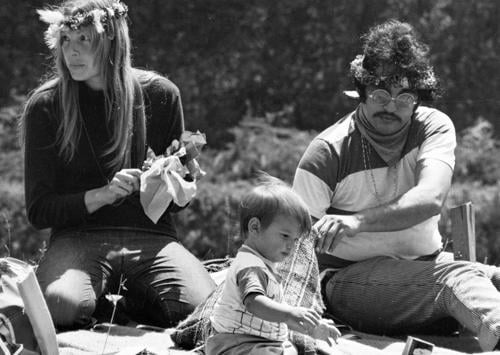
Studs talks to people on the street and in Lincoln Park at the Be-In on Mothers Day 1967; part 1
May. 14, 1967 Studs Terkel spends time walking around the Lincoln Park Be-In Mother's Day, 1967. He talks to people of all walks of life and generations. The question, "What is a Be-In?" is posed to all he talks to.
-
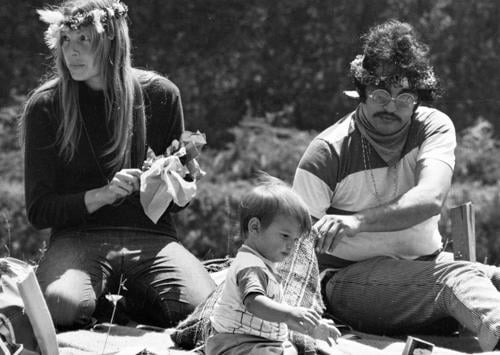
Studs talks to people on the street and in Lincoln Park at the Be-In on Mothers Day 1967 ; part 2
May. 14, 1967 Studs Terkel spends time walking around the Lincoln Park Be-In Mother's Day, 1967. He talks to people of all walks of life and generations. The question, "What is a Be-In?" is posed to all he talks to.
-
Studs comments and presents tribute to the late jazz trumpet player Roy Eldridge
Studs discusses Roy Eldridge’s work as a jazz musician and recounts prevalent moments from his career.
-
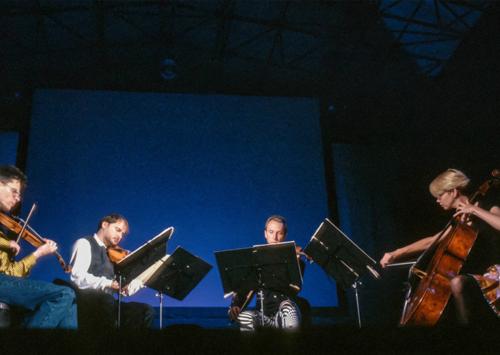
Studs comments and presents a musical performance of the Kronos Quartet
Sep. 22, 1986 Terkel comments and presents a musical performance of the Kronos Quartet
-
Stephen Addiss and Bill Crofut talk to Studs Terkel
Jul. 1, 1965 Discussing folk traditions of the world and interviewing folk music collectors and musicians Stephen Addiss and Bill Crofut.*Please note: some sections have been edited out from the original recording due to copyright considerations
-
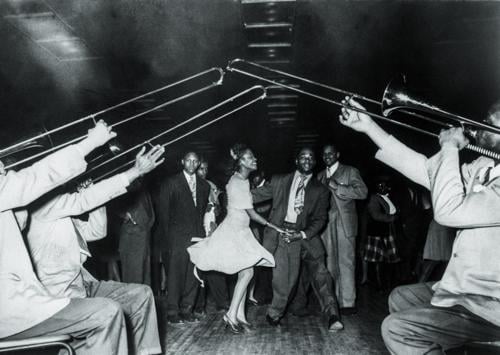
Stanley Dance discusses jazz and his book "The World of Swing"
Dec. 3, 1974 Stanley Dance discusses jazz and his the book "The World of Swing". He tells anecdotes of jazz musicians and talks about the history of different songs. The interview is interspersed with songs of the jazz/swing genre: "Stompin' at the Savoy," "Three Little Words," "Here Comes the Man with the Jive," "Where are You," "Passing it Around," "Effervescent Blues," "Who's Sorry Now," "Sleep" and "One More Once." Music has been removed from this recording for copyright reasons.
-
Stafford Dean and Catherine Malfitano discuss opera and "The Marriage of Figaro"
Nov. 6, 1975 Stafford Dean and Catherine Malfitano analyze their characters in "The Marriage of Figaro" and aspects of opera. They also discuss their upbringings, musical influences, and the future of opera. The original show opened with a recording of the Overture from "The Marriage of Figaro", which has been removed from this recording for copyright reasons.
-
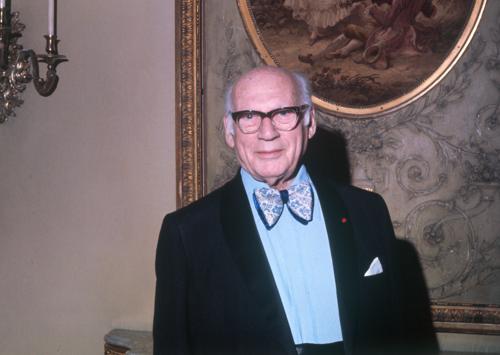
Sol Hurok discusses his career as an American impresario
May. 4, 1971 Sol Hurok discusses his work as an impresario, organizing events and bringing artists from around the world to the United States to perform. Studs Terkel plays songs by many of the artists and performers that Hurok has managed during the interview, including Feodor Chaliapin, Nellie Melba, Titta Ruffo, Luisa Tetrazzini, Sviatoslav Richter, Marian Anderson, and Arthur Rubinstein. Music has been removed from this version for copyright reasons.