Listen to New Voices on Studs Terkel our partnership with 826CHI-here! Read the Story


Showing 1 - 15 of 210 results
-
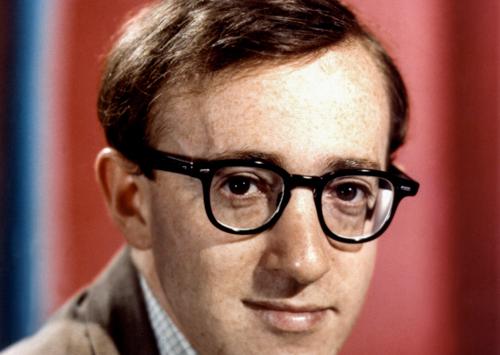
Woody Allen discusses his work as a comedic writer and performer
Jun. 1, 1965 Woody Allen discusses his life and art, the influence of both success and failure on his work, and how he finds comedy in life’s difficulties and trials. He discusses his first screenplay, “What’s Up Pussycat?” and other comedians who have influenced the development of his own comedic work, including Mort Sahl, Charlie Chaplin, the Marx Brothers, and George S. Kaufman.
-

William Gibson discusses writing plays
1969 Now being a professional playwright, William Gibson talked about being able to write one of his plays in 8 days. A lot of the discussion is about his play, "The Miracle Worker". After reading one of Annie Sullivan's letters, and learning about a battle royale that Sullivan had with Helen Keller, Gibson envisioned what that battle royale would look like. It became a now famous part of the play.
-
William Friedkin in conversation with Studs Terkel
Oct. 1, 1985 Discussing the films "The People vs. Paul Crump", "To Live and Die in Los Angeles," and "The French Connection," with director and screenwriter William Friedkin.
-
Willard Van Dyke discusses American history and its effects on the film, photography, and the arts
Apr. 3, 1985 Willard Van Dyke, cinematographer and co-director of documentaries like "The City" and "The River," talks about 20th century American history and how it effected the arts. Using his documentaries and other artists' work, he explores how the Great Depression, World War II, and the Cold War changed American art and culture. He discusses Public Works of Art, war propaganda, and McCarthyism and their challenges for artists. Near the end of this interview, Van Dyke discusses the changes in modern still photography and documentaries as Americans forget history.
-
-
Willard Maas and John Dubay discuss experimental films and filmmaking, part 2
1966 Experimental filmmaker and poet Willard Maas and his friend John Dubay discuss experimental films and filmmaking, part 2 of 2. John Dubay is featured predominantly in this part of the interview. The second part of the interview focuses less on filmmaking and more on societal ills, wealth inequality, and race relations.
-
Willard Maas and John Dubay discuss experimental films and filmmaking, part 1
1966 Experimental filmmaker and poet Willard Maas and his friend John Dubay discuss experimental films and filmmaking, part 1 of 2. His friend John Dubay speaks briefly in part 1 of the interview, but is more prominently featured in part 2.
-
Walter Kerr discusses his book "The Silent Clowns"
Dec. 11, 1975 Writer and critic Walter Kerr discusses his book "The Silent Clowns," about the film era's greats including Charlie Chaplin, Buster Keaton, Harold Lloyd, Raymond Griffith, and Harry Langdon. Studs begins by reading an excerpt from James Agee's "Death in the Family" with music in the background followed by Kerr reading from his book. They begin talking about how silent films affected the audience, lesser known stars Lloyd Hamilton and Charley Chase, and then analyze several famous Charlie Chaplin scenes to assess the complex nature of his characters.
-
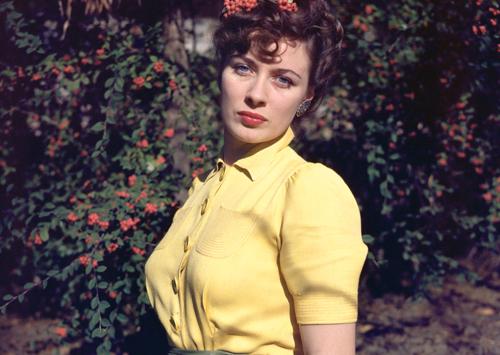
Viveca Lindfors discusses her roles and the roles of women in society
Feb. 2, 1974 Viveca Lindfors discusses her roles and the roles of women in society. Includes Viveca Lindfors reciting lines written by Lillian Hellman.
-
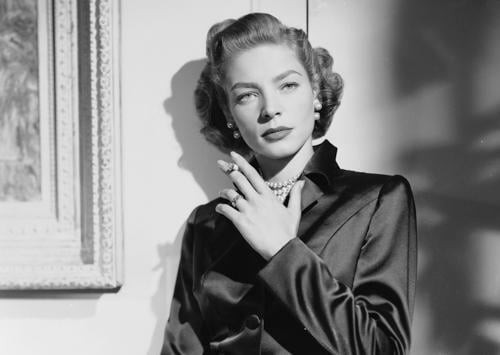
Vito Russo discusses his award-winning book "The Celluloid Closet"
Jul. 17, 1981 Discussing the book "The celluloid closet: homosexuality in the movies" with the author Vito Russo.
-
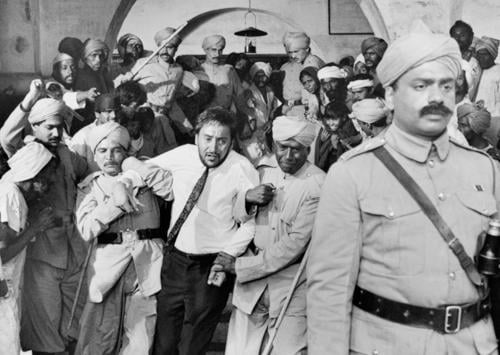
Victor Banerjee discusses the film "Passage to India"
Apr. 23, 1985 In addition to talking about the film "Passage to India," Victor Banerjee, also talks about Gandhi and India's class system. Included in this interview are excerpts of Satyajit Ray and Shanta Gandi.
-
Talking with Robert Stone
Mar. 28, 1986 The American novelist, journalist, and college professor discusses his latest, Children of Light. Studs also asks him about his other works, A Flag For Sunrise, and Dog Soldiers.*Please note: some sections have been edited out from the original recording due to copyright considerations
-
Talking with Lily Tomlin, and her collaborators George Boyd, Cheryl Swannack, and Larry Freeman
Jul. 22, 1981 The American actress and comedian gives some insight into how she develops her vivid characters, and how her colleagues help bring them to the stage and screen. Four of Tomlin's comic pieces are included in the interview.*Please note: some sections have been edited out from the original recording due to copyright considerations
-
Talking with Gordon Parks
Jun. 9, 1977 The African American writer, composer, film director, and photographer - described by Studs as a quadruple threat - joins the program to discuss his wide-ranging career and most recent film - Leadbelly - about the blues singer Huddie Ledbetter (AKA Lead Belly).*Please note: some sections have been edited out from the original recording due to copyright considerations
-
Talking film, with Molly Haskell and Andrew Sarris
Feb. 15, 1980 The film critics - and married couple - offer their opinions on various films, covering stereotypical depictions of women and the modern trend of dumbing-down plots and characters. An excerpt of an interview with Buster Keaton is included.*Please note: some sections have been edited out from the original recording due to copyright considerations