Listen to New Voices on Studs Terkel our partnership with 826CHI-here! Read the Story


Showing 301 - 314 of 314 results
-

Allan Evans and Henry Jordan discuss "The Foundation Years" ; part 1
1970 Allan Evans and Henry Jordan, two young man who grew up in Chicago and attended Dartmouth, discuss their childhoods and adolescent dealing with crime. The two also talk about their gang, The Vice Lords, and the police brutality they experienced. Next, the group talks about the The Foundation Years, a project from Dartmouth.
-
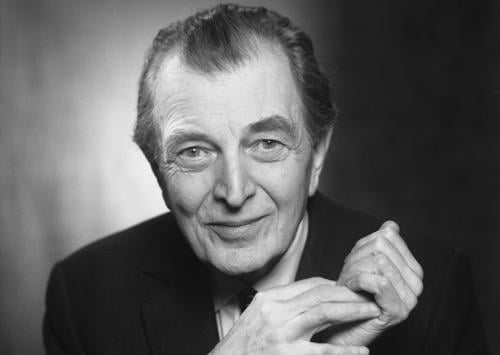
Alexander Tcherepnin discusses his career ; part 2
May. 21, 1962 Russian composer Alexander Tcherepnin discusses his travels to China & Japan and their influence on his music, composing for non-traditional instruments, electronic music, teaching young composers, and his "Concerto No. 2".
-
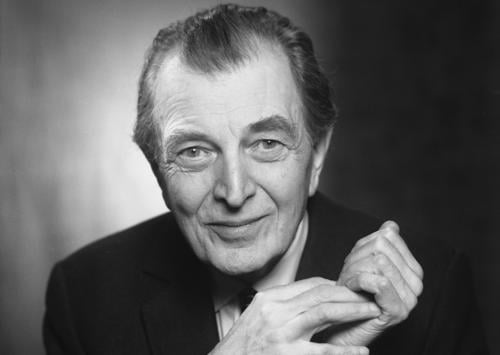
Alexander Tcherepnin discusses his career ; part 1
May. 21, 1962 Russian composer Alexander Tcherepnin discusses his early upbringing, training, and composing in Saint Petersburg, as well as the influence of his composer father, Benois family relatives, and associates of Ballet russes.
-
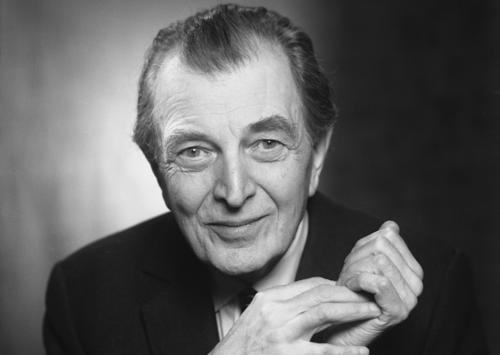
Alexander Tcherepnin discusses his career
Nov. 10, 1959 Russian composer Alexander Tcherepnin discusses his early upbringing, training, and composing bagatelles in Saint Petersburg, as well as the influence of his composer father, Benois family relatives, Russian/Asian/European cultural influence, electronic music.
-
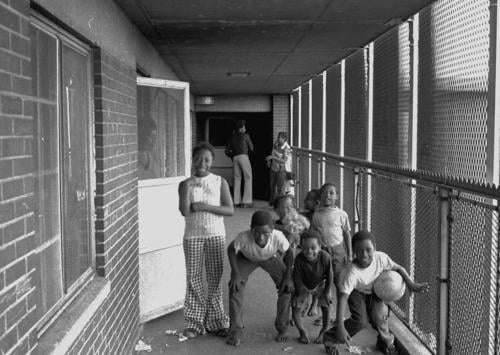
Alex Kotlowitz discusses his book "There Are No Children Here"
Feb. 28, 1991 Discussing the book "There Are No Children Here: The Story of Two Boys Growing up in the Other America" with author Alex Kotlowitz. Includes excerpt from WFMT doumentary, "Born to Live".
-
Alan Stone, Steven Larson and Judith Erickson, members of the Chicago Opera Theater, discuss the opera "Regina"
Mar. 29, 1982 Studs interviews Alan Stone, Steven Larson, and Judith Erickson about the opera, "Regina," playing at the Chicago Opera Theater. They describe the variety of music and dances in the opera. Stone, Larson, and Erickson name the cast and their roles and describe the characters. Each share how they came to be in theater. Stone explains how the company started. Larson describes the orchestra and the chorus. Erickson reads some of the lyrics of the aria, "The Best Thing of All," at the end of act one. Stone, Larson, and Erickson read various lines from the opera.
-
Adria Bernardi discusses her book "Houses With Names: The Italian Immigrants of Highwood, Illinois"
Dec. 12, 1989 Adria Bernardi discusses her book "Houses With Names: The Italian Immigrants of Highwood, Illinois" which contains oral histories of Italian immigrants who lived in Highwood, Illinois, and other suburban areas.
-
Actress Verna Bloom discusses being arrested in Chicago ; part 2. Also included are conversations with a lady behind a cigar counter and a cab driver
1968 Content Warning: This conversation includes racially and/or culturally derogatory language and/or negative depictions of Black and Indigenous people of color, women, and LGBTQI+ individuals. Rather than remove this content, we present it in the context of twentieth-century social history to acknowledge and learn from its impact and to inspire awareness and discussion. Verna Bloom continues to talk about how scared she was when being arrested. Bloom said she was hand-cuffed for an hour. One of Bloom's friends was able to smooth things over with the police and she was finally released.
-
Actress Verna Bloom discusses being arrested in Chicago ; part 1
1968 The day after being arrested in Chicago, Verna Bloom talks about the outrage and humiliation she felt. In great detail, she describes what led up to her arrest. Bloom contends she was doing nothing other than enjoying the nice weather when a police officer arrested her.
-
Abena Joan Brown discusses the ETA Creative Arts Foundation
Feb. 14, 1989 Abena Joan Brown, President of ETA Creative Arts Foundation, a Chicago-based African American cultural performing arts institution discusses some upcoming shows and past activities. Artists, Paul Robeson, Mahalia Jackson, Billie Holiday, Sam Cooke and poet Angela Jackson are discussed.
-
A parent and teachers talk about the S.T.E.P. School for Autism
Nov. 11, 1970 Discussing the STEP School for autistic children with Alice Jerome, Mrs. Alberta Patterson, and Sally Heynemann. Topics include the behavior of the students, parental involvement, and the methods used at the STEP School and other schools. Includes a recording of children singing "Michael Finnegan." asdf
-
A conversation with Harry Barnard
Sep. 1, 1981 The biographer and journalist joins Studs to talk about the Haymarket anarchists, the Pullman labor strike, and the life of Illinois governor John Peter Altgeld, upon the reissue of his book, The Eagle Forgotten.*Please note: some sections have been edited out from the original recording due to copyright considerations
-
"Come in at the Door" - featuring the writings of Nelson Algren with Studs Terkel ; part 2
Feb. 20, 1960 As a tribute to Nelson Algren after his death, a collection of his writing is dramatized in this radio program titled "Come in at the Door."
-
"Come in at the Door" - featuring the writings of Nelson Algren with Studs Terkel ; part 1
Feb. 20, 1960 As a tribute to Nelson Algren after his death, a collection of his writing is dramatized in this radio program titled "Come in at the Door."