Listen to New Voices on Studs Terkel our partnership with 826CHI-here! Read the Story


Showing 271 - 285 of 314 results
-
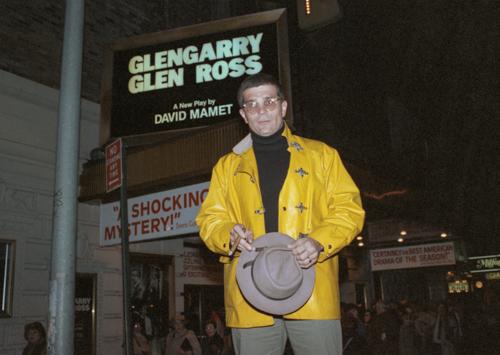
David Mamet discusses his play Glengarry Glen Ross
Jan. 13, 1984 David Mamet discusses his play Glengarry Glen Ross. Includes two scenes from the play recited by both David Mamet and Studs Terkel.
-
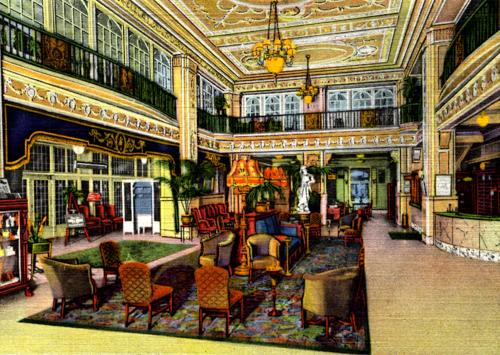
David Lowe discusses the history and story behind the architecture of Chicago from his book "Chicago Interiors"
Nov. 7, 1979 Studs interviews David Lowe about his book, "Chicago Interiors." Studs begins the interview with John Carpenter’s “Skyscrapers.” Studs leaf’s through the book as they discuss various photos and Lowe describes the history of various structures from the book that includes Chicago history. They discuss the history of architecture in Chicago and highlight various famous architects. Lowe explains how the industrial revolution, foreign countries and the Chicago fire all influenced Chicago architecture.
-
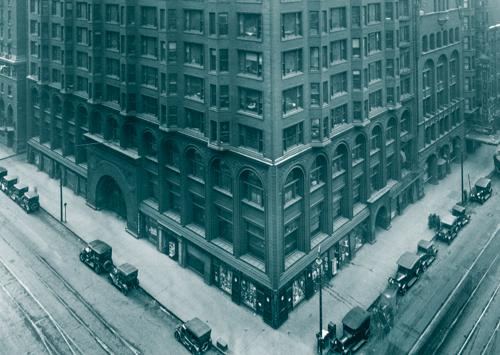
David Lowe discusses his book "Lost Chicago"
Dec. 8, 1975 Discussing the book "Lost Chicago" with the author David Lowe.
-
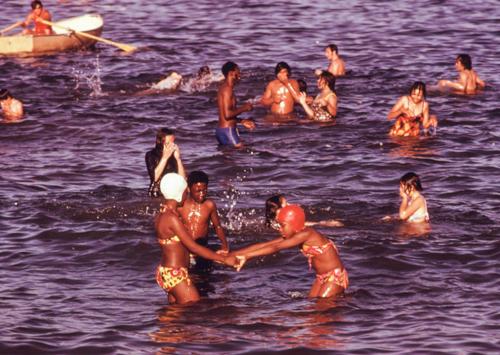
Clifford Burke, Marilyn Nelson and Earl Doty discuss young people ; part 1
1968 Talking to Earl Doty, Clifford Burke, Marilyn Nelson, and West Side kids after the 1968 Chicago Riots. Clifford Burke had already retired from the CTA. As president of the Mile Square Federation, he talks about the youth community of the West side of Chicago, and the need for recreation opportunities for them. Marilyn Nelson is a student from California working in west-side Chicago as an advocate for the community. Studs also talks to Earl Doty, while riding in a car, about the neighborhood youth. There are sounds of hydrants being opened and the children playing.
-

Cliff Norton discusses his career
1960 When Cliff Norton performed his first live gig, he tried out his comedy on the band. Norton credits having good performances because of being given good material, funny material. Norton further explained that being an entertainer, one always has to be writing in order to maintain their creative edge.
-
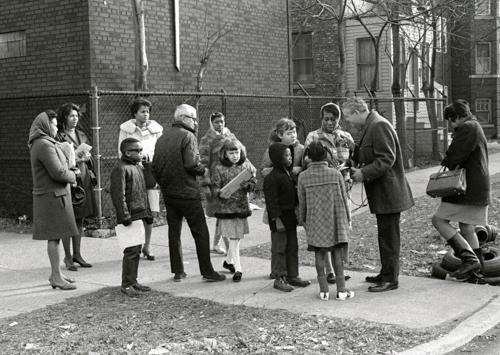
Chicago school teachers and principals discuss Chicago schools
1970 Discussing the state of West side Chicago schools with a panel of teachers and principals from four different schools.
-
Chicago residents Alice and Bob Taylor talk with Studs Terkel
1970 Recorded in the Taylor's home against a backdrop of sounds created by a nine-children family, Studs, Alice and Bob discuss aspects of a white family living in a predominately African-American amidst an exodus of the white, Christian community. Includes a performance of "Onward, Christian Soldiers" by the family around their piano, and "Jesus Loves Me" by two of the children.
-
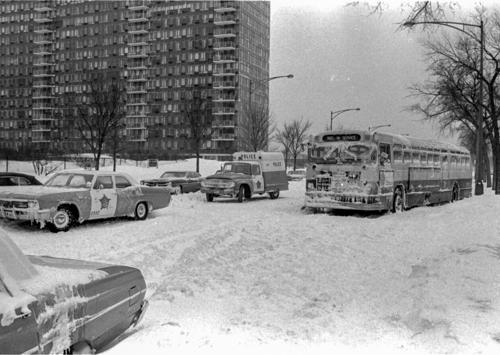
Chicago Blizzard field recordings: January 1967 snow-in ; part 2
May. 13, 1967 Terkel discussing the snow-in in Chicago in January 1967. Interviewee talks about how the human interaction differs during a blizzard then on a clear day.
-
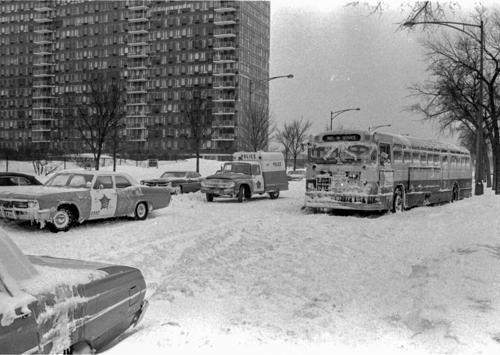
Chicago Blizzard field recordings: January 1967 snow-in ; part 1
May. 13, 1967 Studs Terkel talks to people on the street about their observations during the blizzard that caused many people to be snowed-in. A veteran news vendor said the deliveries are slower, there are no cars or taxis around and that everyone who works downtown is staying in the hotels downtown. A young police officer said he witnessed more people giving others rides. One gentleman told Terkel that to him, it was as though everyone knew each other, and there were no strangers in a blizzard.
-
Chicago area college teachers discuss recent grievances
1969 Discussing the role of the teacher and the Chicago Junior College teachers' grievances with Dr. Mary Mainwaring, Gordon Murray, Dr. Peter Senn and Dr. Morris Springer.
-
-
Carl Smith discusses his book "Urban Disorder and the Shape of Belief: the Great Chicago Fire, the Haymarket Bomb, and the Model Town of Pullman"
Feb. 27, 1995 Non-fiction author Carl Smith discusses his latest work which focuses on the history of Chicago. Topics covered include labor movements, specifically the Pullman strike and the 1970's case trial with the Chicago Seven.
-
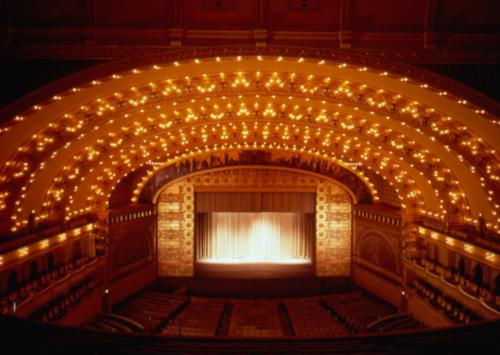
Carl Condit, Richard Nickel and Ben Weese discuss architecture ; part 2
Discussing Chicago architecture and interviewing Carl Condit, Richard Nickel and Ben Weese.
-
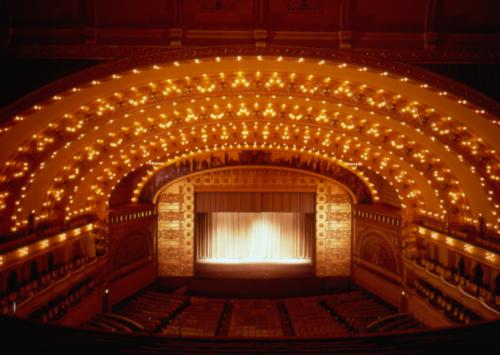
Carl Condit, Richard Nickel and Ben Weese discuss architecture ; part 1
Discussing Chicago architecture and interviewing Carl Condit, Richard Nickel and Ben Weese.
-
Bob Koester discusses jazz and blues
Mar. 3, 1993 Bob Koester, record producer and owner of Delmark Records, the United State's oldest independent jazz and blues label, talks about jazz, blues, and bebop musicians.