Listen to New Voices on Studs Terkel our partnership with 826CHI-here! Read the Story


Showing 31 - 45 of 1202 results
-
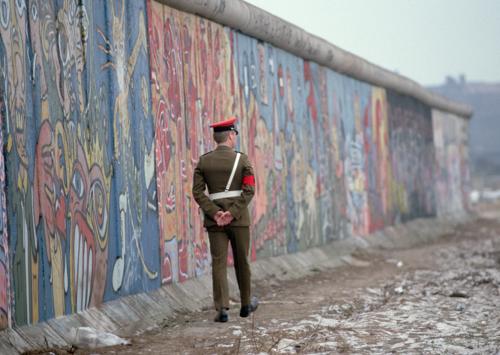
Ursula Bender leads a tour to the Berlin Wall
1986 Content Warning: This conversation has the presence of outdated, biased, offensive language. Rather than remove this content, we present it in the context of twentieth-century social history to acknowledge and learn from its impact and to inspire awareness and discussion. While heading to the Berlin Wall, Ursula Bender points out different landmarks. In addition, once at the Berlin Wall, she reads and translates some of the graffiti left on the wall. Parts of the interview are in German as Bender talks to some German people.
-

Ursula Bender leads a tour to the Berlin Wall
1980 Content Warning: This conversation has the presence of outdated, biased, offensive language. Rather than remove this content, we present it in the context of twentieth-century social history to acknowledge and learn from its impact and to inspire awareness and discussion. While heading to the Berlin Wall, Ursula Bender points out different landmarks. In addition, once at the Berlin Wall, she reads and translates some of the graffiti left on the wall. Parts of the interview are in German as Bender talks to some people.
-
Uri Davis discusses the Arab-Israeli conflict ; part 2
Uris Davis, academic and pacifist, discusses political tension during the Arab-Israeli conflict and his views of pacifism in relation. Includes an interview with author Ronald Fair who discusses crime, urban life, and race relations. Content Warning: This conversation has the presence of outdated, biased, offensive language. Rather than remove this content, we present it in the context of twentieth-century social history to acknowledge and learn from its impact and to inspire awareness and discussion.
-
Two interviews - one with William Styron and another with Carlos Fuentes
Apr. 12, 1983 In this two part program, Studs first talks with the American novelist William Styron before a series of readings at the Newberry Library, and later, he discusses the literature of North and South America with the Mexican novelist Carlos Fuentes.*Please note: some sections have been edited out from the original recording due to copyright considerations
-
Tribute to Randy Shilts, journalist and chronicler of the AIDS epidemic
Mar. 7, 1994 Program includes an excerpt of a discussion with Shilts about his book "And the Band Played On: Politics, People, and the AIDS Epidemic."
-
Tribute to journalist and biographer Milton Mayer
May. 16, 1986 *Please note: some sections have been edited out from the original recording due to copyright considerations
-
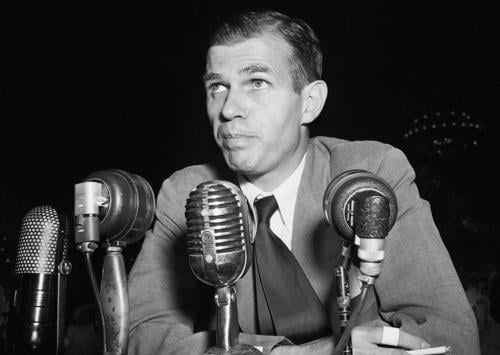
Tony Hiss discusses his book "Laughing Last"
Mar. 14, 1977 Content Warning: This conversation includes racially and/or culturally derogatory language and/or negative depictions of Black and Indigenous people of color, women, and LGBTQI+ individuals. Rather than remove this content, we present it in the context of twentieth-century social history to acknowledge and learn from its impact and to inspire awareness and discussion. The book, "Laughing Last: Alger Hiss" is the biography of Tony Hiss' father. Although Alger Hiss was convicted of perjury and did time in prison, Tony Hiss said his father, Al, was doing all right.
-
Tony Ardizzone reads from and discusses his book "In the Name of the Father"
Feb. 9, 1979 Content Warning: This conversation includes racially and/or culturally derogatory language and/or negative depictions of Black and Indigenous people of color, women, and LGBTQI+ individuals. Rather than remove this content, we present it in the context of twentieth-century social history to acknowledge and learn from its impact and to inspire awareness and discussion. Tony Ardizzone's book, "In the Name of the Father," takes place on the north side of Chicago. It's the story of Tonto Schwartz, whose mother is Italian and whose father is Jewish.
-
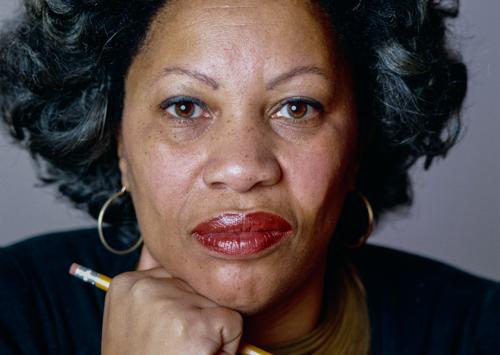
Toni Morrison reads from and talks about her book "Sula"
Apr. 16, 1974 Studs Terkel interviews writer Toni Morrison. This interview begins with a reading from the book, "Sula" by Morrison Morrison continues to read excerpts from her novel "Sula" and discusses her literature.
-
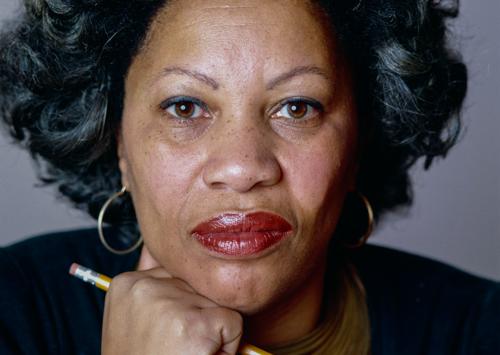
Toni Morrison discusses her book "Tar Baby"
Apr. 16, 1981 Presidential Medal of Freedom and Nobel Peace Prize winner for literature Toni Morrison discusses her latest work. Morrison intertwines the ideas of race, mythology, and gender in her book while laying a complex narrative for the reader. The narrative makes the reader question their true identity and reflect on their cultural identity and background.
-
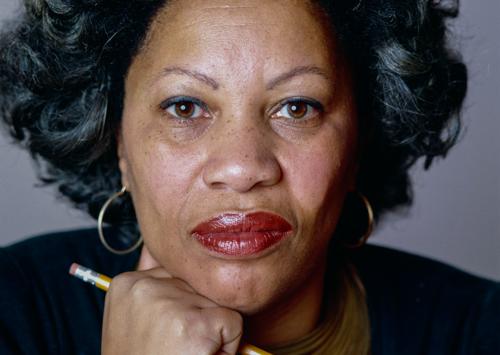
Toni Morrison discusses her book "Song of Solomon"
Oct. 7, 1977 Toni Morrison talks about her books and themes of memory, excessive love, possession, and recovery. It includes an excerpt from an interview with Emanuel Dunn.
-
Tom Wolfe discusses his new book "In Our Time"
Oct. 1980 Author and journalist Tom Wolfe discusses his new book, "In Our Time," which focuses on the ever-changing culture and ethics of America. Drawing examples from his cartoons he discusses how the counterculture of the 1960s, TV evangelists, politicians, and actors are challenging mores and values of the American people.
-
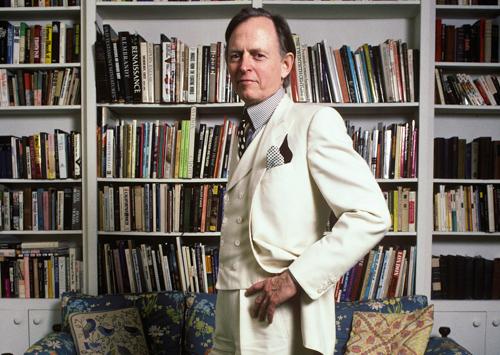
Tom Wolfe discusses his book "From Bauhaus to Our House"
Nov. 16, 1981 Discussing the book "From Bauhaus to our house" with the author and journalist Tom Wolfe.
-
Tom Wicker discusses his book "On Press: A Top Reporters Life In, And Reflection On, American Journalism"
May. 18, 1978 Wicker discusses advocacy journalism versus objective journalism, freedom of the press, and the role of the press in American society.
-
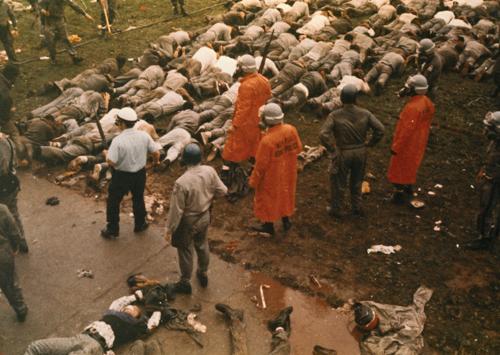
Tom Wicker discusses his book "A Time to Die: The Attica Prison Revolt"
Mar. 21, 1975 Wicker discusses the events at the center of his book, "A Time to Die: The Attica Prison Revolt." The discussion also covers Wicker's thoughts on his responsibility as a journalist to his fellow man. Both Wicker and Terkel read excerpts from the book. (includes excerpts from T2576, 1970 Nov. 20).