Listen to New Voices on Studs Terkel our partnership with 826CHI-here! Read the Story


Showing 61 - 75 of 94 results
-
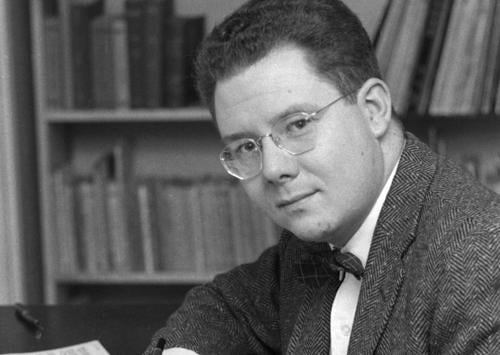
Easley Blackwood, Midwestern composer, pianist and educator at University of Chicago, discusses his music
Mar. 1, 1961 Studs and Mr. Blackwood discuss his musical theory of tonal composition, and Mr. Blackwood plays several excerpts of his piece "Chamber Work for Fourteen Winds" on the piano.
-

Easley Blackwood, Leonard Meyer and Ralph Shapey talk about standards of composition in contemporary music, part 1
1965 The program begins with an excerpt from BBC Radio about a hoax piece of music by Pietorzac (Hans Keller). Hans Keller and a friend went into studio and made noise and presented it as music. In this round table discussion the three gentlemen - all composers, musicians, and educators, discuss with Studs, contemporary music and the standards for defining a composition as music. In the second hour, they discuss what level of knowledge of music a critic should have in order to form a proper opinion of music. All animatedly offer their opinion to both the pro's and the cons.
-
Easley Blackwood, Leonard Meyer and Ralph Shapey discuss the standards of composition in contemporary music, part 2
1965 In this round table discussion the three gentlemen - all composers, musicians, and educators - discuss with Studs contemporary music and the standards for defining a composition in music. In the second hour they discuss what level of knowledge of music a critic should have in order to form a proper opinion of music. All animatedly offer their opinion to both the pro and the con. A movement of both Blackwood and Shapey compositions is played.
-
Easley Blackwood, David Schrader and Ramon Salvatore in discussion with Studs Terkel about music
Apr. 14, 1993 Presenting music published by Chicago record label Cedille Records including the music of composer and pianist Easley Blackwood along with David Schrader and Ramon Salvatore.
-
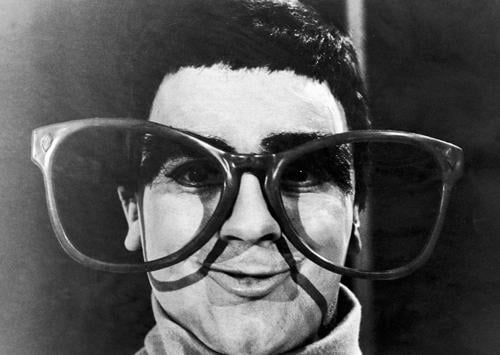
Dudley Moore discusses his background and influences
Jan. 6, 1963 When he was a child, Dudley Moore first wanted to study the violin. He's grateful to his mother for insisting that he first study the piano. Moore said his influences include Bach and Garner. Unlike other musicians, Moore's main focus has always been on the beat, both the cultivation and the presence of the beat of a song and of music.
-
-
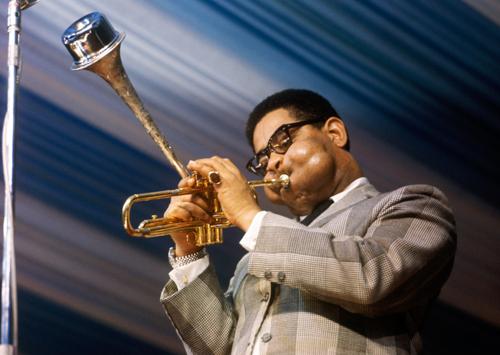
Dizzy Gillespie discusses the art of jazz ; part 2
Mar. 30, 1961 Part 2 of the program continues with Dizzy Gillespie discovering the following: his jazz style; his interactions with other musicians; and his latin musical influences. The following Gillespie musical excerpts are played: "Tin Tin Deo"; "La Lorraine"; and an musical piece (with an undisclosed title) is played to end the program.
-
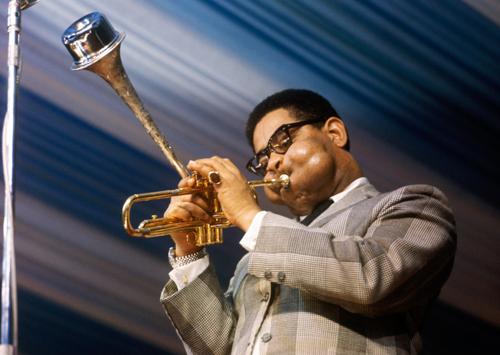
Dizzy Gillespie discusses the art of jazz ; part 1
Mar. 30, 1961 Part 1 of this program begins with Studs Terkel reading an excerpt from the book "Giants of Jazz" , which describes Dizzy Gillespie's early life. Gillespie discusses the following: the state of jazz; his fellow musicians; jazz contributors; jazz fundamentals; and his tours abroad. Gillespie's "Groovin' High" is played towards the end of this part of the program.
-
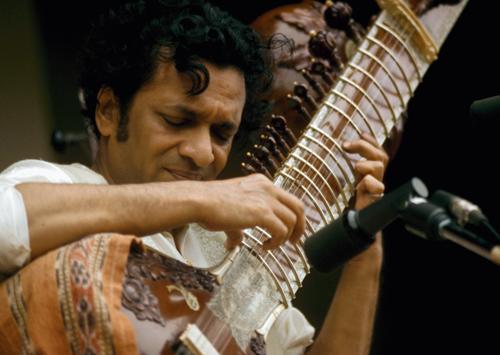
Discussing the techniques, philosophy, histories, and instruments of classical Indian music and interviewing Ravi Shankar
Oct. 26, 1961 Discussing the techniques, philosophy, histories, and instruments of classical Indian music with Ravi Shankar. Includes Ravi Shankar playing the sitar, tambura, and tabla among other instruments.
-
Discussing Soviet avant garde music with Joel Sachs
May. 12, 1982 Joel Sachs discusses Russian avant-garde music and Soviet Union artists.
-
Discussing his autobiography "Perfect Pitch: A Life Story" with Russian-born musicologist, pianist and composer Nicolas Slonimsky
Apr. 13, 1988 *Please note: some sections have been edited out from the original recording due to copyright considerations
-
Discussing contemporary music with Easley Blackwood, Paul Fromm and Ralph Shapey
Feb. 13, 1967 Studs Terkel has a conversation with Easley Blackwood, and Ralph Shapey, composers and Paul Fromm philanthropist and patron of the music arts. They discuss contemporary music, composing music, composers and the passion of creating music.
-
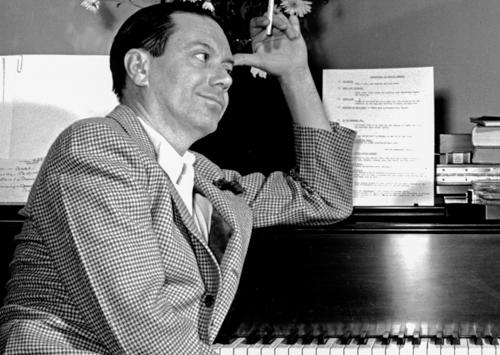
Discussing Cole Porter's work and the book "Cole" and interviewing its author Robert Kimball
1970 Cole Porter biographer Robert Kimball talks with Studs about his book "Cole" and his subject's life and work as they listen to classic performances of some of his most beloved songs. They marvel at how Porter perfectly captured the zeitgeist of the times in his lyrics, his lyrical influences, his unique method of outside-in composing lyrics and music simultaneously, Bobby Short's masterful interpretations, controversies over some of his works, and how well his material holds up.
-
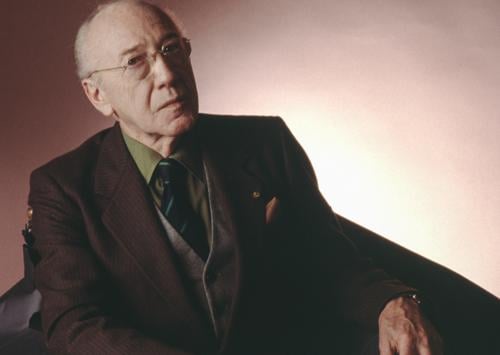
David Diamond discusses his training, influences and work as a classical composer
May. 28, 1975 Studs interviews David Diamond who is in Chicago for a concert at Thorn Hall. Diamond reflects on his family background and his exposure to diverse theater and movies of a variety of cultures that influenced his music. He explains his training and how he uses emotion and then structure to create his work. Studs and David discuss McCarthyism and its affect on performers and the personal affect it had in Diamond's life. The musical pieces are removed from this edited version of the original recording.
-
David Amram and Steve Goodman discuss folk music
Jan. 3, 1976 David Amram and Steve Goodman, composers and performers of popular music and folk music, discuss writing and creating music together.