Listen to New Voices on Studs Terkel our partnership with 826CHI-here! Read the Story


Showing 1021 - 1035 of 5186 results
-
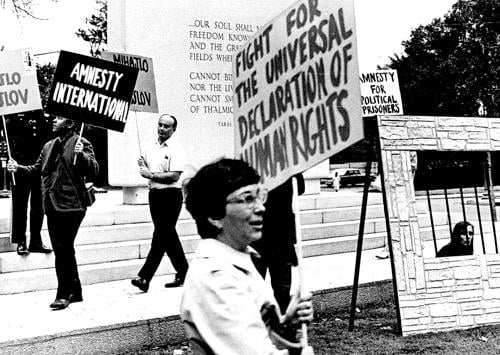
Poet and activist Rose Styron reads works by exiled writers
Nov. 8, 1977 Rose Styron and Studs read works by exiled writers and performers and discuss Amnesty International.
-

Playwright August Wilson, actor James Earl Jones, and director Lloyd Richards discuss their play "Fences"
Feb. 7, 1986 The Goodman Theatre cast of the play “Fences” discuss some of the major themes from the play, including the African-American experience and race relations, particularly in Major League Baseball.
-
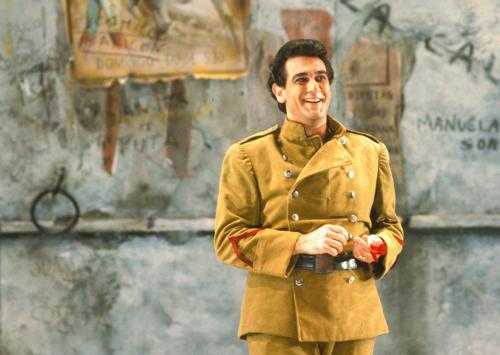
Placido Domingo discusses his career as a tenor singer
Dec. 14, 1979 Placido Domingo discusses his career as a tenor singer and conductor, including his role in the film "Otello" directed by Franco Zeffirelli and based on the opera by Giuseppe Verdi.
-
Pietro Di Donato in conversation with Studs Terkel
Nov. 15, 1979 Discussing Italians with novelist Pietro Di Donato.
-
Pierre Burton discusses his book “The Impossible Railway”
Oct. 1972 Pierre Burton, Canadian writer and journalist, discusses his book “The Impossible Railway,” touching on topics including the significance of the Canadian Pacific Railway, poor labor conditions on the railway, and differences between America and Canada. Content Warning: This conversation includes racially and/or culturally derogatory language and/or negative depictions of Black and Indigenous people of color, women, and LGBTQI+ individuals.
-
-
-

Pier Luigi Nervi and Joseph Nicolletti discuss architecture; part 1
1962 Pier Luigi Nervi and Joseph Nicolletti discuss architecture, problem solving versus aesthetics, and innovation in architecture.
-
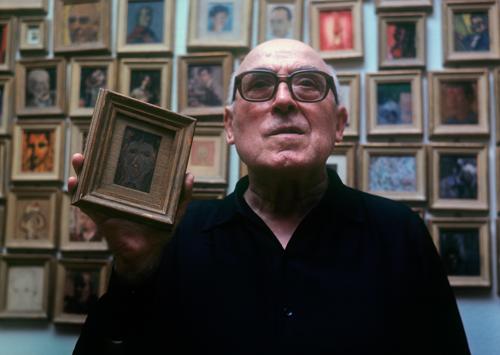
Pier Luigi Nervi and Joseph Nicoletti discuss architecture; part 2. Second interview: Caesar Zavattini discusses screenwriting and cinema
1962 End of interview with Pier Luigi Nervi and Joseph Nicoletti where they discuss innovation in architecture and learning from a master; second part is a separate interview with Cesare Zavattini about film inspirations and creating some of his most well known works.
-
Pianist Andre Watts talk about his profession
Jan. 22, 1986 Andre Watts's mother believed learning to play music was as important as learning the alphabet and mathematics in school. Watts first studied the fiddle for six months before he went onto the piano. Watts believed playing the piano was a transitory art and that his interpretation of a composer's music was very important to convey to his audiences.
-
-
Physicist Leo Stodolsky and Gerald Temaner talk with Studs Terkel ; part 1
Nov. 1, 1961 Leo Stodolsky and film director Gerald Temaner discuss college students' activity — or lack thereof — and their magazine, New University Thought.
-
Physicist Leo Stodolsky and film director Gerald Temaner talk with Studs Terkel ; part 2
Nov. 1, 1961 Leo Stodolsky and Gerald Temaner discuss college students' activity — or lack thereof — and their magazine, New University Thought.
-
Phyl Garland discusses themes from her book "Sound of Soul" and the black influence on music ; part 1
Nov. 25, 1968 Studs interviews Phyl Garland about her book "Sound of Soul." They discuss the history of music and how black music influenced white music. Studs reads a quote from her book where she quoted Lerone Bennett. Garland also reads from her book a few times. They discuss how music changed over time for blacks from spirituals to slave songs to the blues because it was a reflection of their lives. Garland explains how blacks used music to help them through their trials and frustrations.
-
Phyl Garland discusses her book "Sound of Soul" and the history of black music in America ; part 2
Nov. 25, 1968 Studs interviews Phyl Garland about her book "Sound of Soul." They discuss various musicians that she mentions in her book and their influence on black music. Garland explains the music of young black artists and how commercialization of music gave blacks an opportunity that they would not have had otherwise. Garland talks about how Fannie Lou Hamer used music to express her message in the Civil Rights Movement and as a women's rights activist. Studs and Garland discuss various black female artists and their music.