Listen to New Voices on Studs Terkel our partnership with 826CHI-here! Read the Story


Showing 421 - 435 of 5186 results
-
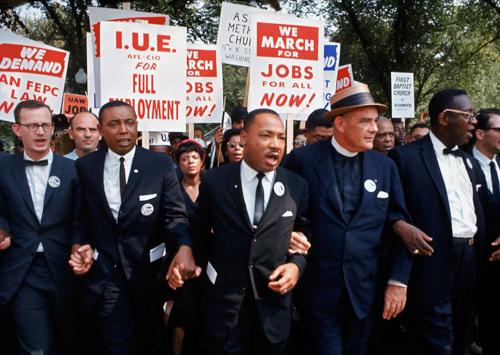
Studs Terkel presents a tribute to Martin Luther King, Jr.
Apr. 5, 1968 Studs Terkel shares a special program honoring the birthday of civil rights leader Martin Luther King, Jr. Includes excerpts from Terkel’s 1965 interview with King about King’s dream for civil rights in the United States, influence of his father, the damaging effects of segregation, and the role of love in bringing about social change. The program also includes excerpts from King’s 1963 “I Have a Dream” speech from the Civil Rights March on Washington, and his 1967 Christmas Eve speech at Bethesda Memorial Church in Atlanta.
-
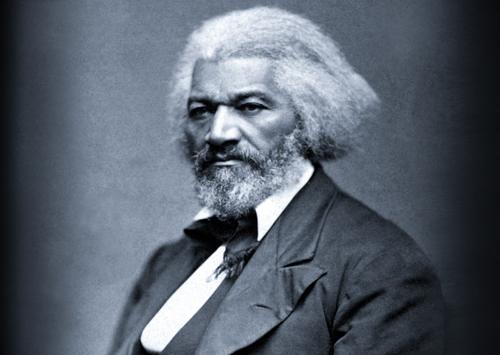
Studs Terkel presents a program in honor of the birthday of abolitionist and African American leader Frederick Douglass
Feb. 15, 1971 Studs Terkel presents a program in honor of the birthday of abolitionist and African American leader Frederick Douglass, including excepts from Terkel's 1964 interview with African-American scholar, author and social historian Lerone Bennett. Terkel reads at length from Douglass' autobiography, "My Bondage and My Freedom," focusing on Douglass' interactions with slave owners Hugh and Sophia Auld.
-

Studs Terkel presents a performance of the Rhos Welsh Choir
Aug. 23, 1988 Terkel comments and presents musical performance by the Rhos Welsh Choir
-
Studs Terkel presents a performance of "Feiffer's America"
Apr. 1988 Studs and Jules Feiffer read several of Feiffer’s political cartoons culminating in a performance of “Feiffer’s America.” The performance is preceded by Feiffer’s explanation of the inspiration behind these works. Feiffer attempts to answer what drives him to create these astute observations of political happenings, which are often used as an outlet for his anger regarding social and political events. Studs plays "On the Good Ship Lollipop" - Shirley Temple (1934).
-
-
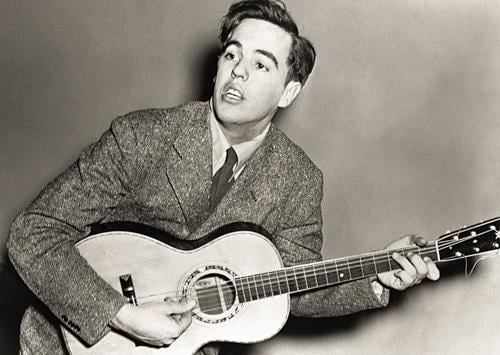
Studs Terkel pays tribute to Mike Royko and to Heywood Hale Brown
Feb. 26, 1969 While in Mike Royko's office and hearing typewriters in the background, Royko talks about having received the Heywood Hale Broun Award for outstanding work by a journalist. Ryoko said having to travel to Washington D.C,. to receive the award was part of a let down to the whole thing. After the brief interview w/Royko, Terkel then continues on by reading two articles by Mike Royko and two articles by Heywood Hale Brown.
-
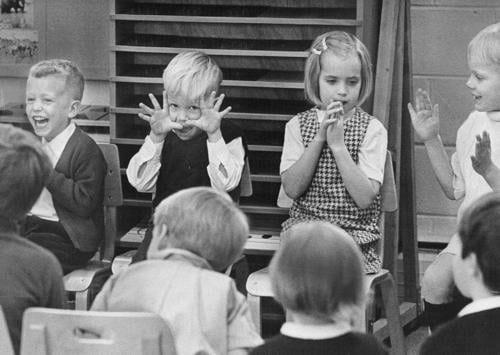
Studs Terkel moderates and comments on a round-table debate about the Montessori educational theory
Nov. 3, 1964 A round-table debate about the Montessori educational theory. Four early childhood development professionals speak of the pros and the cons of the program. Speakers include: Fay Bauling advisor at Wilson Jr. College, Dr. Urban Fleege of DePaul University, Dr. Ner Littner from the Institute of Psychoanalysis, and Hannah MacLaren, head teacher from Ancona School.
-
Studs Terkel joins the Evanston Township High Schools' "The spirit of soul" with musical director Avon Gillespie
1970 Studs Terkel listens in on Evanston Township High Schools', soul choral group, "The Spirit of Soul" as they rehearse for an upcoming concert. Musical director, Avon Gillespie, describes how the vocal improvisation of "The Spirit of Soul" singers brings an on the spot sense of joy. This reflection of African Heritage through song closes the gap between Africa and American shores and teaches Black people that their heritage is real, alive, and strong!
-
Studs Terkel is interviewed by Mitch Kraus and Edward Teller and Albert Szent-Gyorgy discuss science and politics
Dec. 29, 1970 Part 1 of this recording is Mitch Kraus interviewing Studs Terkel on his thoughts of self-indulgence, stereotypes, generational challenges, and historical events.
-
Studs Terkel interviews writer Tom Wolfe ; part 3
Sep. 1, 1968 Studs Terkel and Tom Wolfe discuss Wolfe's recent work. At the time of the interview, Wolfe had recently released "The Electric Kool-Aid Acid Test", his chronicle of Ken Kesey and his colleagues, and a collection of articles, "The Pump House Gang".
-
Studs Terkel interviews writer Tom Wolfe ; part 1
Sep. 1, 1968 Studs Terkel and Tom Wolfe discuss Wolfe's recent work. At the time of the interview, Wolfe had recently released "The Electric Kool-Aid Acid Test", his chronicle of Ken Kesey and his colleagues, and a collection of articles, "The Pump House Gang".
-
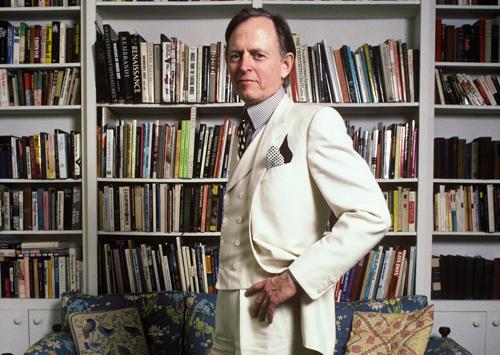
Studs Terkel interviews Tom Wolfe ; part 2
Jul. 26, 1965 Studs Terkel and Tom Wolfe discuss Wolfe's first collection of essays, "The Kandy-Kolored Tangerine-Flake Streamline Baby". Terkel and Wolfe begin their conversation by listening to and discussing an excerpt from an interview with a young motorcycle enthusiast named Chuck. Topics of conversation include Wolfe's writing process and personal history, the generation gap, class and income disparity, motorcycle culture, Las Vegas, and stock car racing.
-
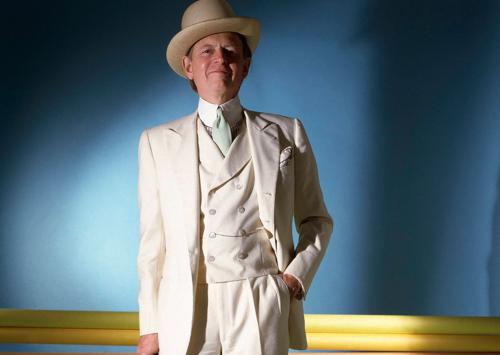
Studs Terkel interviews Tom Wolfe ; part 1
Jul. 26, 1965 Studs and Tom Wolfe discuss Wolfe's first collection of essays, "The Kandy-Kolored Tangerine-Flake Streamline Baby". Terkel and Wolfe begin their conversation by listening to and discussing an excerpt from an interview with a young motorcycle enthusiast named Chuck. Topics of conversation include Wolfe's writing process and personal history, the generation gap, class and income disparity, motorcycle culture, Las Vegas, and stock car racing.
-
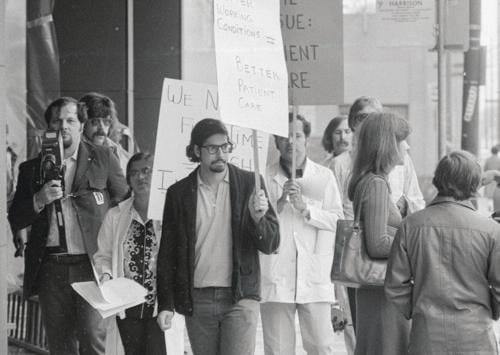
Studs Terkel interviews three Cook County Hospital doctors about their 1975 strike
Nov. 12, 1975 Studs interviews three Cook County Hospital doctors: Dr. Tessa Fischer Dr. Mark Bonnell Dr. David Moore Main topic of conversation is the 18-day residents and interns strike at Cook County Hospital, Chicago, October-November 1975. At the time it was the longest doctors’ strike in U.S. history. Topics include: Patient care, benefits and wages, and working conditions. The distinction is made between a "strike" and what the doctors call a "job action".
-
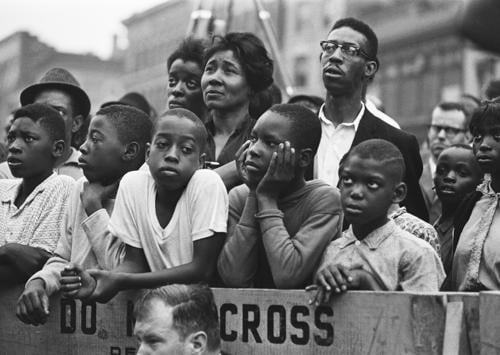
Studs Terkel interviews Professor Charles V. Hamilton on his book written with Stokely Carmichael entitled "Black Power: Politics of Liberation in America" ; part 1
Nov. 21, 1967 Using the backdrop of James Baldwin's "Nobody Knows My Name" and Baldwin's feelings that Blacks were ashamed of where they came from, Terkel interviews Professor and Chairman of the Political Science Department of Roosevelt University on his book coauthored with Stokely Carmichael entitled" Black Power: Politics of Liberation in America". Hamilton states that Blacks were taught to hate themselves and leave school believing that. Institutional racism and the deliberate oppression it creates, holds blacks back. Blacks are left out of crucial decision making processes that concern them.