

-
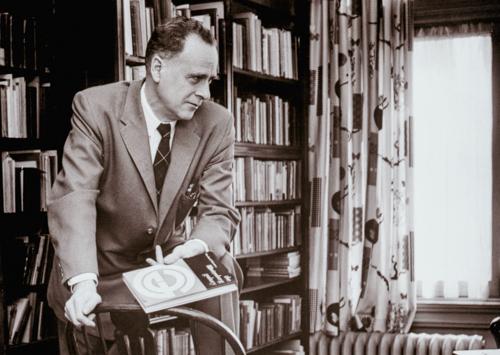
Marshall McLuhan discusses a wide range of philosophical topics
Jul. 1, 1966 Marshall McLuhan discusses a wide range of topics including conformity, changes in entertainment media, cultural change, art and artists, originality in dance, reading and language, human interaction with nature, and technology. Recorded in front of a live audience at Kendall College, McLuhan takes several questions from the audience throughout the program.
-

Interview with Lady Barbara Ward Jackson
1960 Discussing her book "Spaceship Earth,"and the ideas of the global village, inequality, and the Adlai Stevenson Institute of International Affairs.
-
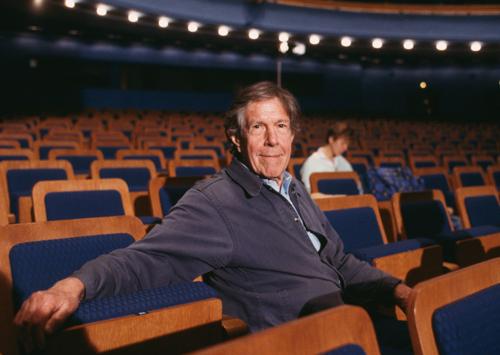
John Cage and Peter Gena discuss their music
1980 Considered one of the most influential 20th-century composers, John Cage and musician/composer Peter Gena discuss their upcoming performance at the Rubloff Auditorium. Cage's pieces will be featured at this performance, including Hymnkus.
-

Gilbert Moses discusses The Free Southern Theater and his play "Blues for Mister Charlie" with Studs Terkel ; part 2
Aug. 10, 1966 Studs interviews Gilbert Moses about his play, "Blues for Mister Charlie" and The Free Southern Theater. They discuss a variety of plays that include, "White America," "Roots," and "Blues of Mister Charlie."
-
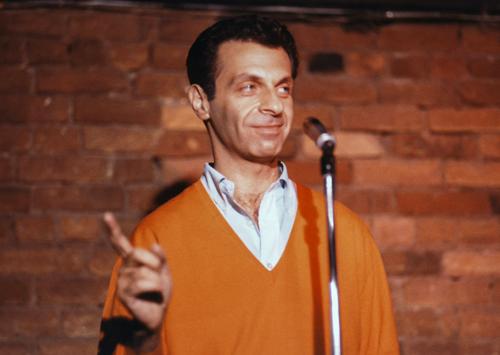
Mort Sahl discusses comedy, social satire, and politics
Mort Sahl discusses comedy, social satire, and politics. Sahl discusses the topics of Communism, Fascism, the Kennedy assassination, and show business.
-
American Conservatory Theater actors talk with Studs Terkel ; part 2
1967 Terkel interviews four principle actors from the American Conservatory Theater: Richard A. Dicer, Robin Gammell, Renee Obajinhua, and Janis Young. This is an interview done in two parts.
-
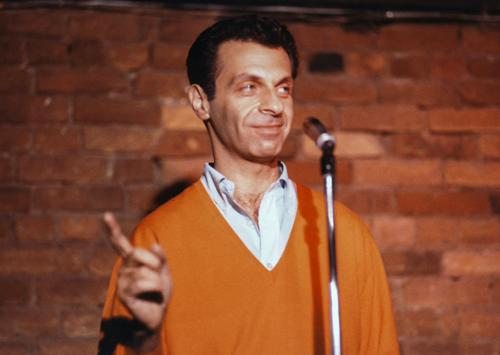
Mort Sahl discusses his career in comedy and paranoia in politics
Aug. 11, 1983 Humorist and commentator Mort Sahl talks with Studs Terkel on the roof of Sahl’s Chicago hotel. The two briefly discuss Lenny Bruce’s legacy, but Sahl is quick to discuss a topic he brings up frequently in this interview: American’s criticism of “paranoia” and the U.S. government’s power to persuade. Sahl criticizes his young audiences for being uneducated and discuss the United State’s involvement in the Vietnam War. He also speaks briefly on liberals in Chicago, calling them weak for supporting Daley.
-