

-

Janis Ian discusses her career
1970 Janis Ian discusses her career, life, and her songs. The songs she talks about are "Society's Child", "Janey's Blues", "Honey D'Ya Think", "There Are Times", "Shady Acres", and "Lonely One". Janis Ian also discusses society, race relations, and responsibility. Includes Studs Terkel reading Janis Ian's poem "Poem One". Includes Janis Ian reading her poem.
-
Christopher Keene and Gian Carlo Menotti discuss their careers
Jan. 3, 1972 Conductor Christopher Keene and composer Gian-Carlo Menotti discuss how they became aware of each other and meeting to discuss a collaboration. They talk about spending time in Spoleto, Italy for the Festival of Two Worlds, a summer music and opera festival created by Gian Carlo Menotti. The two also discuss creating art in all forms, including music. Music is played to start and to end: "To This We've Come" sung by Eileen Farrell from Menotti's opera "The Consul" and the allegro from Menotti's "Piano Concerto", with Earl Wild as the pianist.
-
Christopher Keene and Gian Carlo Menotti discuss the opera
Sep. 6, 1973 Conductor Christopher Keene and composer Gian-Carlo Menotti dscuss the major themes of the opera"Tamu-Tamu", other opera performances, and the kind of work that goes into creating these works. Recordings are played during the interview: "Aria", sung by Eileen Farrell from the opera "The Consul", "Gloria" sung by an ensemble from the opera "The Saint of Bleecker Street", and "Have You Seen a Child" sung by an ensemble from the opera "Ahmal and the Night Visitors". Music has been removed for copyright reasons. This also includes part of an earlier recorded interview with both subjects.
-
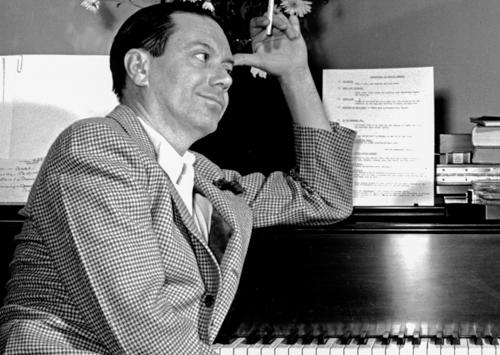
Discussing Cole Porter's work and the book "Cole" and interviewing its author Robert Kimball
1970 Cole Porter biographer Robert Kimball talks with Studs about his book "Cole" and his subject's life and work as they listen to classic performances of some of his most beloved songs. They marvel at how Porter perfectly captured the zeitgeist of the times in his lyrics, his lyrical influences, his unique method of outside-in composing lyrics and music simultaneously, Bobby Short's masterful interpretations, controversies over some of his works, and how well his material holds up.
-
Six members of The Klezmorim discuss klezmer music
Apr. 2, 1981 Six members of The Klezmorim discuss their musical upbringings, the history of klezmer music, and explain how song structures work and overlap. Songs played throughout are: "Moldovanke" by The Klezmorim, 2 songs by an unknown klemer band from the mid 1920s,"Papirosn" by The Klezmorim, "A Glezele Vayn (A Little Glass of Wine)" by The Klezmorim, and a live performance of "Papirosn" by The Klezmorim. All music performed by The Klezmorim were prerecorded off site. Music has been removed from this recording for copyright reasons.
-
-
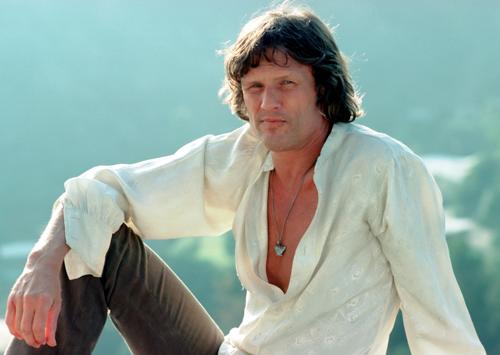
Kris Kristofferson discusses his career
Apr. 30, 1971 The broadcast begins with an excerpt from interview with Pat Zimmerman where Mr. Zimmerman Plays "Sunday Morning" by Kris Kristofferson . Kris Kristofferson discusses his career as a songwriter and performer during the 1960's and 1970's. Mr. Kristofferson discusses working during that time with Janis Joplin, Merle Haggard, and Johnny Cash.
-
Lotte Lehmann discusses her opera roles and how opera has changed ; part 2
May. 9, 1967 Lotte Lehmann, legendary opera soprano, discusses her book "Five Operas and Richard Strauss" about her portrayals of famous roles. Interviewing Lotte Lehmann, recorded at the Orrington Hotel, Evanston (including excerpt from master class at Northwestern and recording excerpts from Walkure with Melchior).
-
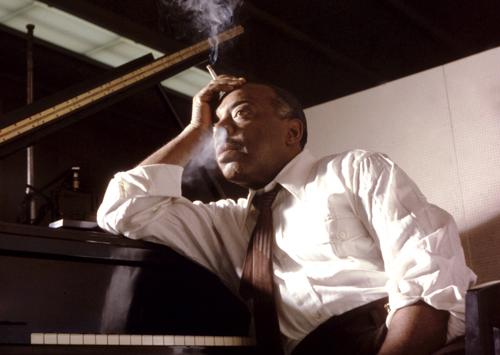
Studs Terkel and William (Bill) Leonard discuss their favorite memories of Frank Holzfeind and the Blue Note Jazz Club in Chicago
Jan. 9, 1975 Studs Terkel and William (Bill) Leonard share memories of the Blue Note Jazz Club as a tribute to Frank Holzfeind. Music is played throughout the episode: "After You've Gone" by the Benny Goodman Sextet, "The Flat Feet Floogie" by Slim and Slam, "How High the Moon" by Sarah Vaughan, "Destination K.C." by Count Basie, "West End Blues" by Louis Armstrong, "Lil' Augie Is A Natural One Man" by Chet Roble, and "Rock Skippin' at the Blue Note", Duke Ellington. Songs have been removed for copyright reasons.
-
Lotte Lehmann discusses her opera roles and how opera has changed ; part 1
May. 9, 1967 Short wrap-up of interview and a few words about some of her favorite recordings - "Morgen" and "Die Walküre" / "Valkyrie" by Strauss. Interviewing Lotte Lehmann, recorded at the Orrington Hotel, Evanston (including excerpt from master class at Northwestern and recording excerpts from Walkure with Melchior).