

-

Anna Bruehan, Peggy Terry, Lois Arthur, Evie Kramer and Lucy Jefferson talk about the female experience
1980 Discussion of the female experience from multiple perspectives. Peggy Terry's interview is played in the interview with Patricia O'Brien, 1965188-3-1.
-
Big Bill Broonzy discusses the blues ; part 2
Jul. 22, 1953 Big Bill Broonzy discusses the blues and growing up in Arkansas with parents who were former slaves. He talks about the family dynamic and sings: "Willie Mae", "Crawdad song", "Going down this road feeling bad" and "John Henry".
-
Big Bill Broonzy discusses the blues ; part 1
Jul. 22, 1953 Big Bill Broonzy discusses the blues and growing up in Arkansas with parents who were former slaves. He talks about the family dynamic and sings: "Crying Joe Turner", "C.C. Rider", "Make my get away", and " You've got to stand your test in judgement" . Part 1
-

Luciano Pavarotti discusses singing for the Pope and other audiences
Oct. 8, 1979 Pavarotti recalls his meeting with the Pope was very special. Singing "Ave Maria" for him was like God lit up, explained Pavarotti. There are more younger people in the audience, said Pavarotti. They're very surprised that opera's so beautiful, as they believed it was an old fashioned thing.
-
Polly Podewell and Johnnie McDonough discuss jazz music and vocalists
Oct. 15, 1979 Polly Podewell and Johnnie McDonough evaluate jazz vocalists, musical influences, and compare music genres. Jazz music performances of Polly Podewell (from private tape) are interspersed throughout the interview as well as recordings from Mildred Bailey, Helen Ward, and Billie Holiday. Songs are removed on this file due to copyright reasons.
-
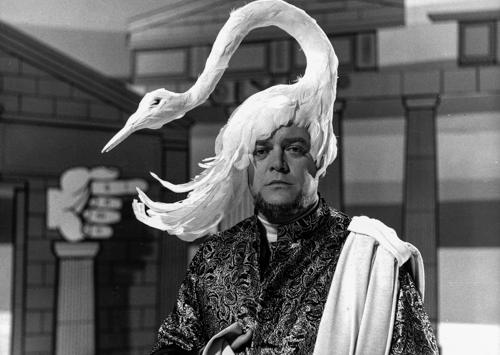
Hermann Prey discusses his career
Dec. 9, 1971 This is an interview with Herman Prey about his music career and the history of the opera music. This record contains music fragments from Papageno's lyrics of The Magic Flute.
-
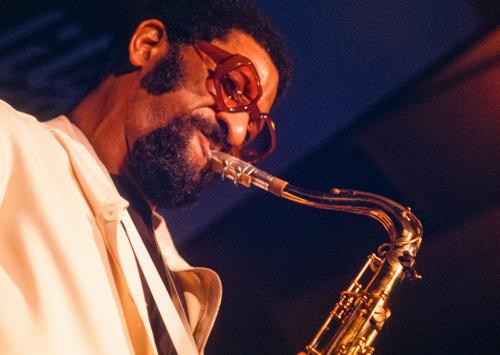
Sonny Rollins discusses his career
Oct. 16, 1978 Studs Terkel comments on baseball, baseball player Sam Crawford, comedian Spike Milligan, and interviews jazz musician Sonny Rollins. Includes a voice clip of baseball player Sam Crawford.
-
Ned Rorem discusses his career
Mar. 22, 1984 Studs Terkel interviews composer Ned Rorem. They discuss Rorem's childhood, music, poetry, languages, and religion.
-
Ned Rorem discusses his career as a composer and his memoir "An Absolute Gift"
Nov. 20, 1980 Studs interviews Ned Rorem about his work and book "An Absolute Gift." Rorem discusses his work and how his Quaker background has influenced his work. He reflects on poets and other composers. Rorem shares the people and events that have influenced him and the arts. The musical recordings are not included in this edited version of the original.
-

Elaine Rosenberg discusses the life and career of Edith Piaf
Elaine Rosenberg discusses the life and career of Edith Piaf.