

-
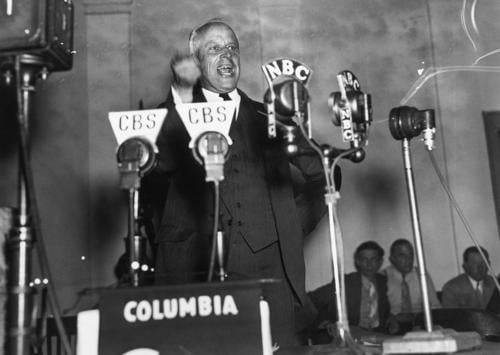
Norman Thomas discusses social progress ; part 2
Dec. 30, 1964 Socialist Party leader and Presbyterian minister Norman Thomas discusses social progress, his political views, and where society is headed with Studs Terkel. This is the final part of his interview.
-
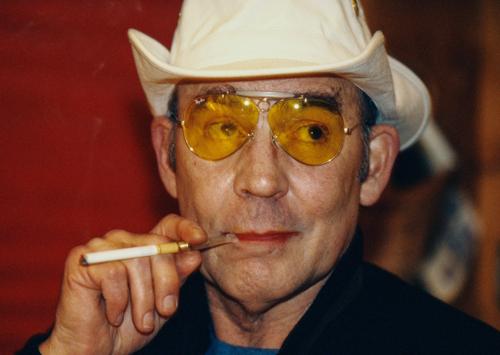
Discussing the book, "Fear and Loathing: On the Campaign Trail '72." with Hunter S. Thompson
Mar. 14, 1973 Discussing the book, "Fear and Loathing: On the Campaign Trail '72." Includes a clip of Ron Kovic speaking at the Nixon campaign headquarters, courtesy of KPFA/Pacifica Archives.
-

-
Hunter S. Thompson discusses his book "Hell's Angels" ; part 2
1967 As a result of writing his book, "Hell's Angels: The Strange and Terrible Saga of the Outlaw Motorcycle Gangs," Hunter S. Thompson said he's become calmer and not so quick to react, in case a fight starts. Thompson believes the reason for the rise in violence is due to pent up anger and hostility. A clip of a former prize fighter describing how he threatens people to repay their debts is played.
-
Einar Thorsrud and Sid Roger discuss work and labor issues
Mar. 22, 1977 Einar Thorsrud, co-author of "Democracy at Work: The Report of the Norwegian Industrial Democracy Program" and Sid Roger, an American journalist writing on labor union issues, discuss work and labor issues. Topics of discussion include work planning, technology and alienation in the workplace, alternatives to the assembly line, women in the workplace, and satisfaction at work.
-

Mothers discuss the hardships of living on welfare
1968 Five mothers from Chicago discuss the hardships of living in poverty and how little welfare actually helps with Studs Terkel.
-
-
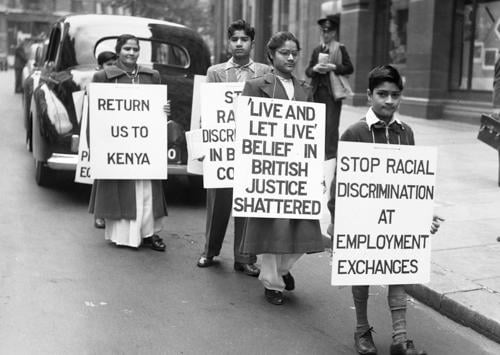
Richard Titmuss discusses poverty and how it keeps reoccurring
1968 Economist Richard Titmuss discusses the cycle and repetition of poverty, economic inequality, and obstacles for immigrants with Studs Terkel. “Fire Brigade” by Attila the Hun is played, as well as “Dance of Zalongo” and a Nepalese piece of music.
-
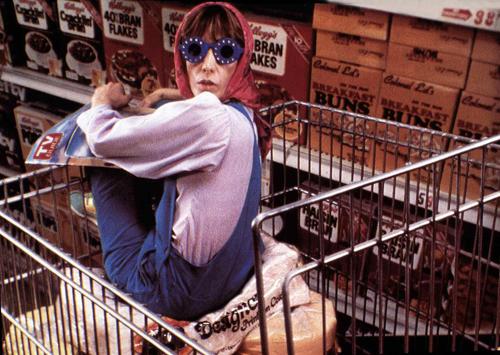
Lily Tomlin discusses the "The Search for Signs of Intelligent Life in the Universe"
Sep. 27, 1988 Tomlin talks in depth about the characters she has created and played (Trudy the Bag Lady, Kate, Agnus Angst, Chrissy, Lynn, Marie, ) in the play "The Search for Signs of Intelligent Life in the Universe" by Jane Wagner. Tomlin talks in detail about each character and inspirations and influences behind each, especially Trudy.
-
Mrs. Bailey Bishop and Edith Neisser talk about education of children, part 1
1965 Part 1 of a series sponsored by the national conference of Christians and Jews Titles discussed include "Rearing the Child of Good Will" and "The Child and the Changing World." Includes interviews of Mrs. Bailey Bishop and Edith Neisser. They discuss the importance of an open mind and accepting environment in education and at home, and how this helps the children to accept change as it happens. Excerpt of "Jimmy" discussing his feelings about school (unsure of record number the quote comes from).