

-
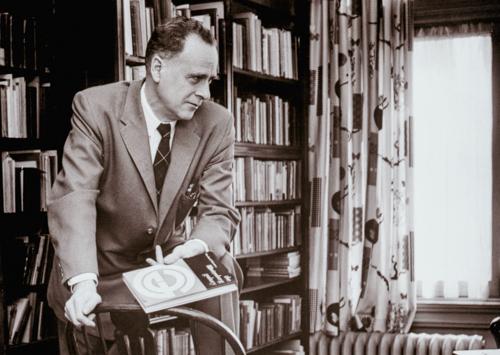
Marshall McLuhan discusses a wide range of philosophical topics
Jul. 1, 1966 Marshall McLuhan discusses a wide range of topics including conformity, changes in entertainment media, cultural change, art and artists, originality in dance, reading and language, human interaction with nature, and technology. Recorded in front of a live audience at Kendall College, McLuhan takes several questions from the audience throughout the program.
-
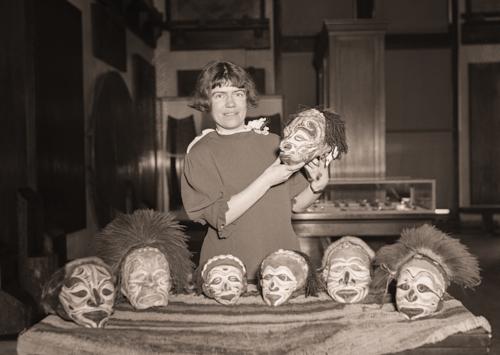
Margaret Mead discusses different cultures, anthropology, and society
1965 Margaret Mead discusses different cultures, anthropology, and society. Margaret Mead discusses topics such as immigrants, American society, poverty, and population explosion.
-

Andrea Medea and Kathleen Thompson discuss "Against Rape"
Oct. 9, 1974 Andrea Medea and Kathleen Thompson discuss their book "Against Rape", rape culture in media, and attitudes towards rape in society.
-

Seymour Melman discusses his book "Pentagon Capitalism: The Political Economy of War"
Jun. 8, 1970 Seymour Melman discusses his book "Pentagon Capitalism: The Political Economy of War." Topics of discussion include the military-industrial complex and the state management of industry, particularly in regards to defense.
-
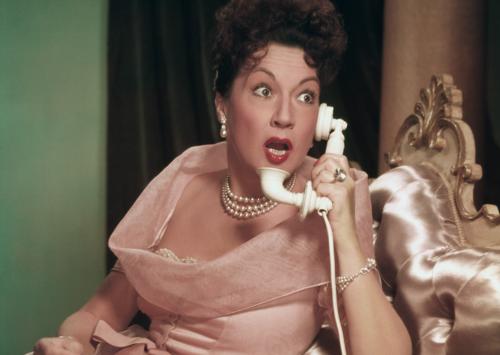
Ethel Merman discusses her experiences as a performer
Jun. 8, 1961 Ethel Merman, American musical theater performer, discusses her experiences as an actor and singer.
-
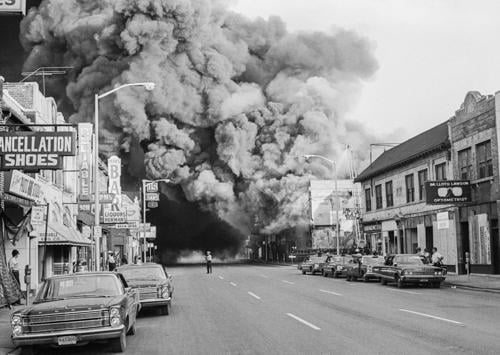
Nancy Milio reads from and discusses her book "9226 Kercheval"
Jun. 13, 1970 Nancy Milio's book, "9226 Kercheval: The Storefront That Did Not Burn," is about community health services offered in a ghetto on the south side of Detroit, Michigan. As a nurse, Milio knew how important it was to offer quality health services to poor and uneducated individuals. With their real names changed, Milio talks about her experiences with Mrs. Watkins, Johhnie West and others at the center.
-
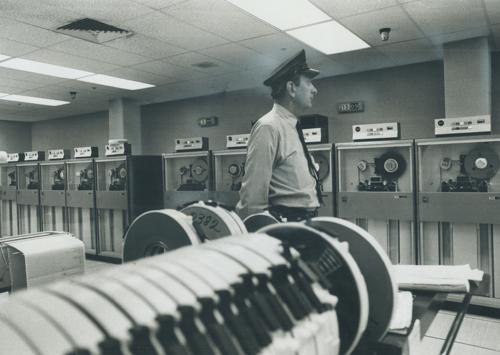
Arthur Miller and John O'Brien discuss privacy and surveillance
1970 Arthur Miller, author of "Assault on Privacy: Computers, Data Banks, and Dossiers," and John O'Brien discuss issues relating to technological privacy and surveillance.
-
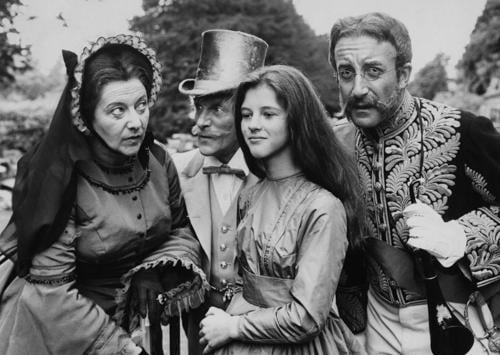
Jonathan Miller discusses English society and class and Alice in Wonderland; part 1
Feb. 5, 1968 Jonathan Miller discusses English society and class post WW2 and his TV movie Alice in Wonderland; part 1.
-
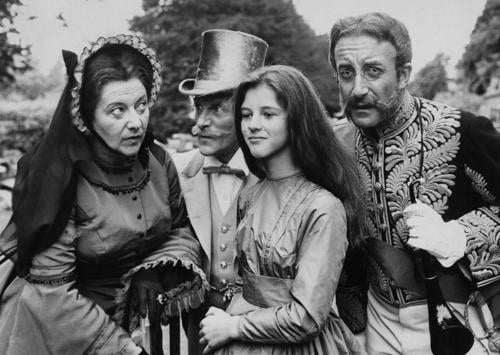
Jonathan Miller discusses English society and class and Alice in Wonderland; part 2
Feb. 5, 1968 Jonathan Miller discusses English society and class post WW2 and his TV movie Alice in Wonderland; part 2.
-
Jonathan Miller discusses theater
1969 Terkel interviews Jonathan Miller about Shakespeare theater with some comparisons between American and English theater. They also talk a great deal about American drama, actors, and theater.