

-

Gerda Lerner discusses her book "The Creation of Patriarchy"
Jun. 27, 1986 Austrian-born American historian, woman's history author and feminist Gerda Lerner focuses on the origins of misogyny in society in her latest book
-
Former halfway house residents discuss halfway houses
Oct. 16, 1973 Discussion about halfway houses with a panel of former halfway house residents.
-
Survivors of the Hiroshima atomic bomb discuss the event and nuclear nonproliferation
May. 31, 1982 Discussing Hiroshima and nuclear nonproliferation with survivors of the Hiroshima bomb of August 6, 1945 and activists organizing against nuclear proliferation.
-
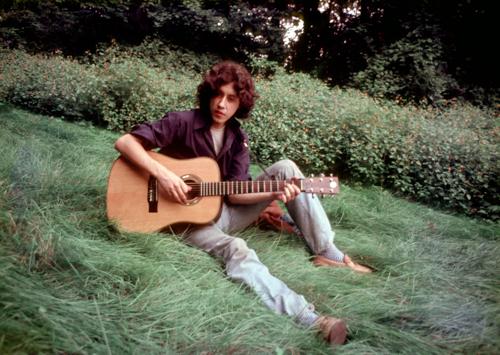
Arlo Guthrie discusses his music and influences
Jan. 23, 1971 In this interview with Terkel, folk singer-songwriter Arlo Guthrie talks about what influences his songwriting and the new definition of folk music. They touch on the shared experience of humanity, the role of the entertainer in society, and the older generation’s contributions to society. Guthrie expresses a desire to create a music “carnival” where performers and audience members both participate together. Guthrie also discusses how he began playing the banjo, and Studs comments on how Arlo has grown as a musician since his father's, Woody Guthrie, death.
-
R.D. Laing discusses his book "The Divided Self: An Existential Study in Sanity and Madness" ; Part 2
1968 Content Warning: This conversation has the presence of outdated, biased, offensive language. Rather than remove this content, we present it in the context of twentieth-century social history to acknowledge and learn from its impact and to inspire awareness and discussion. Scottish psychiatrist and author R.D. Laing covers his latest outlook on the ideology of madness, with a specific focus on schizophrenia.
-
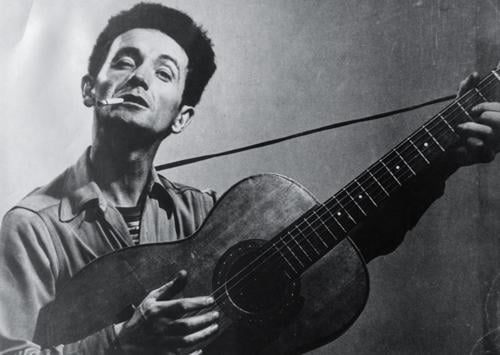
Marge Guthrie discusses Woody Guthrie's life and music
Mar. 14, 1975 Marge Guthrie, Woody Guthrie’s second wife and Arlo Guthrie’s mother, joins Studs Terkel to discuss her late husband’s music and the lasting impact it made. Marge calls Woody a “chronicler,” remarking on his great ability to write songs about and for the common man, and informs Terkel of honors that Woody received from the state and federal government to commemorate his contribution to conservation efforts.
-
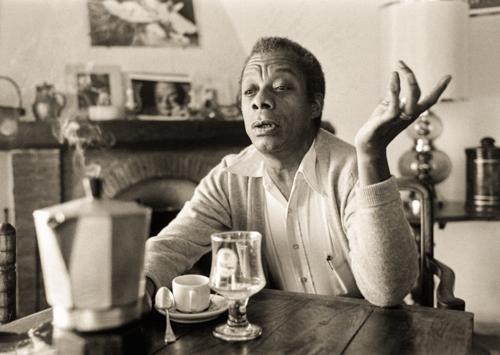
James Baldwin discusses his book "The Evidence of Things Not Seen"
Nov. 22, 1985 John Baldwin talks about his book "The Evidence of Things Not Seen" in which discusses the Wayne Williams Atlanta child murders of 1979-1981. This record is part of the Studs Terkel Almanac.
-
-
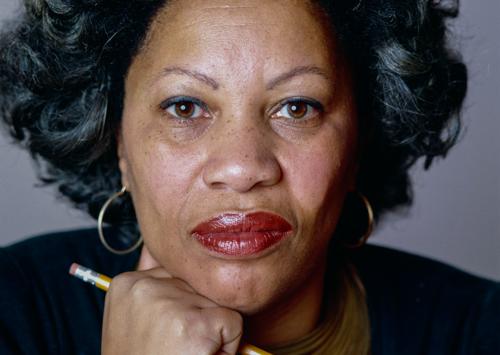
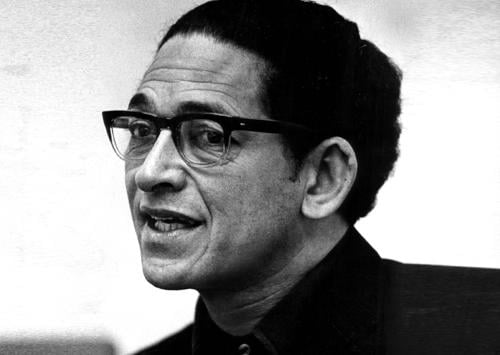
Toni Morrison discusses her book "Song of Solomon"
Oct. 7, 1977 Toni Morrison talks about her books and themes of memory, excessive love, possession, and recovery. It includes an excerpt from an interview with Emanuel Dunn.
-
Ron Kovic discusses his autobiography "Born on the Fourth of July"
Jul. 29, 1977 Studs interviews Vietnam veteran and anti-war activist Ron Kovic upon the paperback release of his autobiography "Born on the Fourth of July." Kovic recounts his All-American upbringing and unblinking faith in the country and its ideals before volunteering for the Marines and Vietnam.