Listen to New Voices on Studs Terkel our partnership with 826CHI-here! Read the Story


-

Norman Thomas discusses the book "Great Dissenters" ; part 1
Nov. 11, 1961 According to Norman Thomas, things in life are not as great as they used to be and there's nothing wrong with dissenting. Thomas chose 5 dissenters to write about, Socrates, Galileo, Thomas Paine, Wendell Phillips and Gandhi. Of of all of them, Gandhi was the biggest dissenter of our time, said Thomas.
-

Charles Eames discusses his life of travel and his study of design and architecture, part 1
Oct. 1, 1965 Charles Eames, an architect, designer, artist, filmmaker and student of human nature, talks with Studs about his years of travel in India and Europe. He discusses studying architecture and working as an architect and the nature of his film making. (Part 1 of 2)
-
Interview with North Carolina labor organizers
1960 Discussing "The Story of 77" with Oliver Harvey, Mary Ellen Kent, Lucy Bug and Pete Brandon.
-
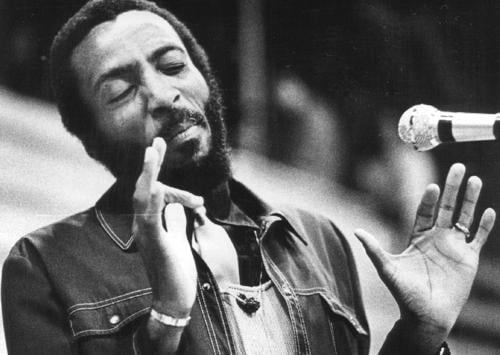
Dick Gregory discusses his career
May. 14, 1970 Lillian Smith excerpt opens the program.
-
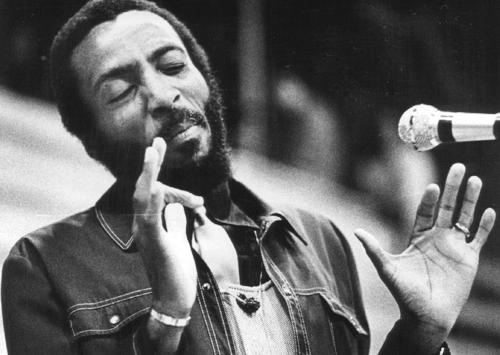
Dick Gregory discusses his book "Dick Gregory's Natural Diet for Folks Who Eat: Cookin' With Mother Nature"
May. 30, 1973 Comedian and activist Dick Gregory joins Studs Terkel to discuss his new book “Dick Gregory's Natural Diet for Folks Who Eat: Cookin' With Mother Nature.” Gregory talks about his experiences fasting for both political and health reasons, and he comments on hunger in America, the power of the navy bean, and changing trends in eating. The two discuss the peace movement and Watergate, and Gregory shares his experience as a black man in the military. Gregory believes that how you treat yourself and your body reflects how you treat others.
-
Discussing civil liberties in Chile
Sep. 1, 1978 Discussing civil liberties in Chile with Isabel Letelier and Michael Moffitt, the authors of a report for the Institute for Policy Studies: "Human Rights, Economic Aid, and Private Banks: The Case of Chile."
-
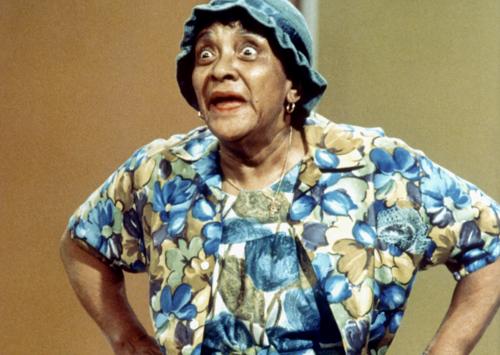
Jackie "Moms" Mabley talks about her life and career as a comedian ; part 1
Jun. 13, 1961 Jackie "Moms" Mabley talks about her life and career as a comedian. She speaks fondly of her hometown and of her childhood and family. Copyrighted material has been removed from this program.
-
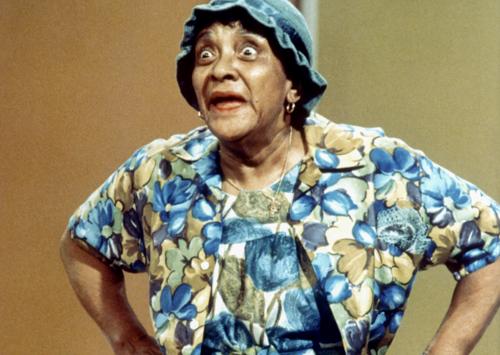
Jackie "Moms" Mabley talks about her life and career as a comedian ; part 2
Jun. 13, 1961 Jackie "Moms" Mabley talks about her life and career as a comedian. She speaks about how comedy/humor has changed and how some have become thieves of material. Copyrighted material has been removed from this program.
-
John Bernard discusses his life, politics and his work with the Farmer Labor Party
Aug. 1, 1977 Interviewing labor organizer, civil rights activist, and former Congressman John Bernard. Bernard was elected as a Farmer-Labor candidate to the U.S. House of Representatives and served from 1937-1939.
-
Norman Thomas and Lillian Smith discuss dissenting ; part 2
Nov. 11, 1961 Content Warning: This conversation includes racially and/or culturally derogatory language and/or negative depictions of Black and Indigenous people of color, women, and LGBTQI+ individuals. Rather than remove this content, we present it in the context of twentieth-century social history to acknowledge and learn from its impact and to inspire awareness and discussion. Lillian Smith's father taught her that we're all human beings and that no one was better than another person.