Listen to New Voices on Studs Terkel our partnership with 826CHI-here! Read the Story


Showing 171 - 180 of 252 results
-
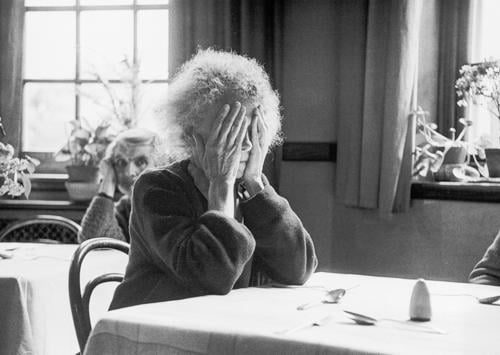
Theodore Marmor discusses his book "The politics of Medicare"
Nov. 5, 1974 Discussing the book, "The Politics of Medicare," and interviewing the author Theodore Marmor. Associate professor of Center of Health Administration studies at University of Chicago. Mr Marmor has been part of policy planning with the department of welfare, for medicare. He talks about National Healthcare or at the least affordable healthcare for all. He speaks of Medicare not covering all expenses specifically prescription drugs.
-

Ellen Afterman, Clinton Sanders, and Spellman Young discuss the drug epidemic
1980 Ellen Afterman and Clinton Sanders (authors of "Drugs and Your Life") and Spellman Young discuss drug use through the lenses of race, sex, and socioeconomic status.
-
Alfred McCoy discusses heroin trafficking; part 1
1971 Alfred McCoy discusses the history of heroin trafficking within the context of American foreign policy.
-
Alfred McCoy discusses heroin trafficking; part 2
1971 Alfred McCoy discusses the history of heroin trafficking within the context of American foreign policy.
-
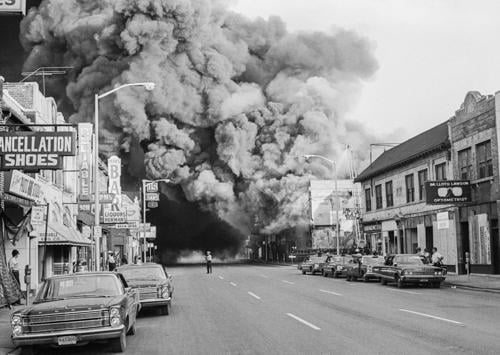
Nancy Milio reads from and discusses her book "9226 Kercheval"
Jun. 13, 1970 Nancy Milio's book, "9226 Kercheval: The Storefront That Did Not Burn," is about community health services offered in a ghetto on the south side of Detroit, Michigan. As a nurse, Milio knew how important it was to offer quality health services to poor and uneducated individuals. With their real names changed, Milio talks about her experiences with Mrs. Watkins, Johhnie West and others at the center.
-
Jerry Davidson and Mike Bell discuss the Elan School in Maine
Feb. 26, 1976 Interviewing Jerry Davidson and Mike Bell about the Elan School in Maine for children with learning disabilities (Part 2).
-
Dr. Linda Murray and Dr. Quentin Young talks about Cook County Public Hospital and the dynamic of public hospitals around the country
Jan. 10, 1979 Interview with Dr. Linda Murray and Dr. Quentin Young which discusses how closing public hospitals can affect minorities and less privileged communities. Also talks about the expectations of medical students and the dynamics of medical school.
-
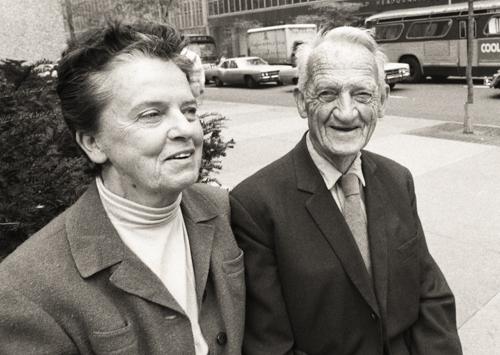
Discussing the book, "Continuing the Good Life: Half a Century of Homesteading," with the authors, Scott and Helen Nearing
Apr. 22, 1979 Scott and Helen Nearing, advocates of simple living, discuss their book "Continuing the good life: half a century of homesteading" and the simple lifestyle they lead. Includes excerpt from previous interview with Scott and Helen Nearing.
-
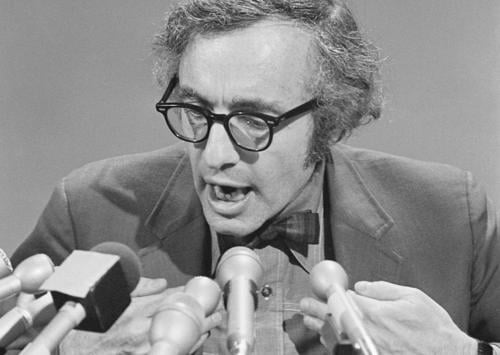
Robert Jay Lifton discusses his book "Living and Dying"
Jan. 6, 1975 With his book, "Living and Dying," Robert Jay Lifton, said the point he wanted to make clear is that individuals have to confront death in order to live well. Lifton also talks about deniers of death and their numbing feelings. Social change with regards to death, explained Lifton, will need to occur.
-
Dr. Robert Jay Lifton discusses the psychological impact of the nuclear arms race
1980 Dr. Robert Jay Lifton, psychiatrist and psycho-historian, discusses the acceptance and embrace of nuclear disaster, doctors' opposition to nuclear weapons, difference in Americans' and Europeans' opposition to nuclear weapons, psychological impact of nuclear bombings in Japan, and the mental disconnect experienced by those who build atomic weapons who then see the bombs' effects.