Listen to New Voices on Studs Terkel our partnership with 826CHI-here! Read the Story


Showing 11 - 20 of 74 results
-
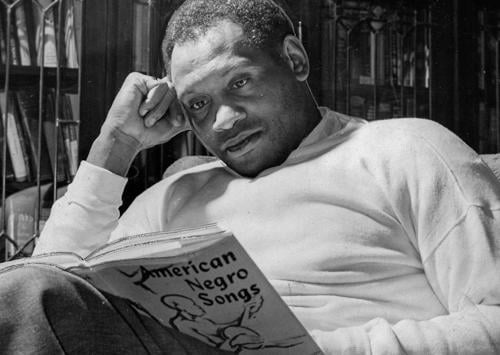
Studs presents a tribute to singer, actor, athlete, author and civil rights crusader Paul B. Robeson
Jan. 28, 1976 Studs presents a tribute to singer, actor, athlete, author and civil rights crusader Paul B. Robeson. Studs talks about his personal memories, the social impact and music of Paul Robeson. Excerpts from 1925362-4-1 Mr Robeson' friends recall memories of him: Earl Dickerson one of the 1 st black aldermen of Chicago, J. Mayo "Ink" Williams football player, Studs Terkel, Claudia Cassidy(1925655-4-1), Eddie Balchowski, Veteran, painter, poet(1934701-3-1) Includes excerpts from 1925362-4-1 and music. Similar to 1925362-3-1, but not identical. 01/23/1976 date of death.
-

Maya Angelou and Tom Wicker discuss life and culture in the U.S. South
Jul. 1, 1979 Poet Maya Angelou and journalist Tom Wicker discuss life in the U.S. South and how the region’s history has shaped its culture. Topics of discussion include social dynamics and race in the South, the concept of “home” and what it means to return to one’s roots, and religion in the South. Angelou reads excerpts of her poetry, including “Still I Rise” and “Phenomenal Woman,” and shares spiritual songs from her childhood.
-
-
-
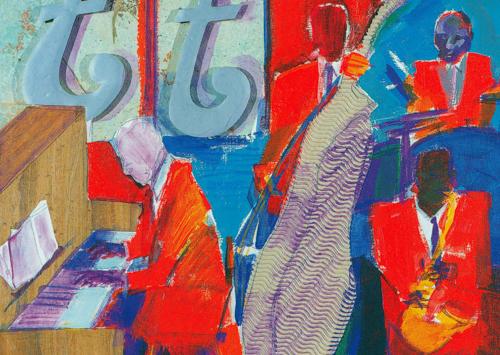
Discussing the book "Jazz Piano: History and Development" with Billy Taylor
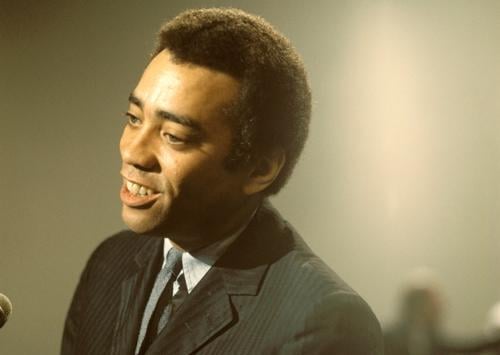
Nov. 16, 1982 Studs Terkel and Billy Taylor discuss the book "Jazz Piano: History and Development". They discuss jazz musicians and the history of jazz music. Includes excerpts of drums, piano, and orchestra playing in the background.
-
Virgil Thomson discusses his career as a music composer for opera and film
Jul. 24, 1973 Studs interview with Virgil Thomson about his career as a music composer. Thomson shares his work with Gertrude Stein in operas "Mother of Us All" and "Four Saints In Three Acts." He discusses his preference for black artists. Thomson describes his work in documentary films such as "Plow That Broke the Plains." He also shares information about the cajun music "Squeeze Box" in the film "Louisiana Story." This edited version does not include the music pieces.
-
Maurice Weddington talks his music career as a renowned composer in Europe
Mar. 24, 1983 Self-taught composer Maurice Weddington talks about his music career from his early years when he was raised on the West Side of Chicago to his performances around Western Europe.
-
John Hammond and John McDonough discuss music and their careers
Sep. 11, 1975 Presenting music with music producer (impresario) John Hammond. The following topics were discussed: various recordings; his encounters with famous jazz musicians; the first time he met Billie Holiday; the song "Strange Fruit"; improvisation; racial reform; Bessie Smith's death; and uniting rural and urban artists. The following musical excerpts were played and have been removed for copyright reasons: "7 Come 11"; "This Years Kisses"; "Lady Be Good"; "Young Woman's Blues"; "What More Can Jesus Do"; and "Piney Brown Blues".
-
Max Morath discusses his career and jazz music
Jun. 18, 1970 Max Morath discusses his career, jazz music, and history.
-
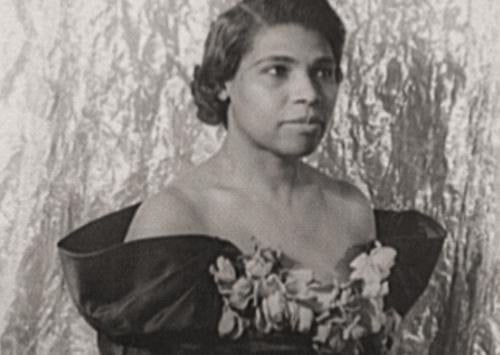
Marian Anderson discusses her career, and how she interprets songs
Feb. 20, 1960 Marian Anderson talks about her singing career, including her singing in Sunday School and her first singing experience in 4th grade. She shares how she interprets the songs she sings. Includes Studs reading the poem "Gertrude" by Gwendolyn Brooks. The interview takes place in Anderson's suite in the Sheraton Blackstone in Chicago.