Listen to New Voices on Studs Terkel our partnership with 826CHI-here! Read the Story


Showing 61 - 70 of 422 results
-

Ned Rorem discusses his career
Mar. 22, 1984 Studs Terkel interviews composer Ned Rorem. They discuss Rorem's childhood, music, poetry, languages, and religion.
-
Ned Rorem discusses his career as a composer and his memoir "An Absolute Gift"
Nov. 20, 1980 Studs interviews Ned Rorem about his work and book "An Absolute Gift." Rorem discusses his work and how his Quaker background has influenced his work. He reflects on poets and other composers. Rorem shares the people and events that have influenced him and the arts. The musical recordings are not included in this edited version of the original.
-
-
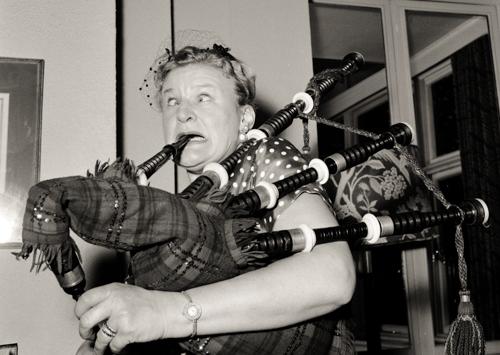
Discussing Soviet avant garde music with Joel Sachs
May. 12, 1982 Joel Sachs discusses Russian avant-garde music and Soviet Union artists.
-
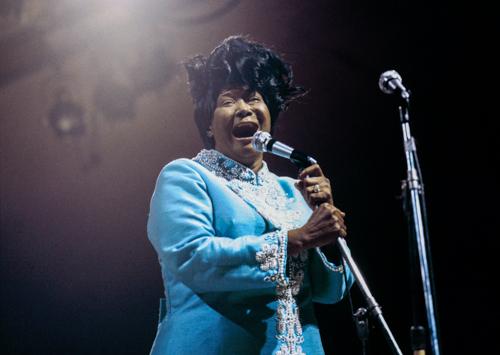
Hugh Wiley Hitchcock and Stanley Sadie discussing the book "The New Grove Dictionary of American Music"
Nov. 4, 1986 Discussing the book "The New Grove Dictionary of American Music". They talk about American music and musicians of all kinds and from different periods. Includes Charles Ive's song "At the River" sung by Cleo Laine in the middle of the program.
-
Susan Salm discusses her career as a cellist
Oct. 26, 1977 Susan Salm discusses her career as a cellist, the cello, and classical music. Includes an earlier interview with a younger Susan Salm and her mother. Includes an announcer's comments from the BBC at the end of the program.
-
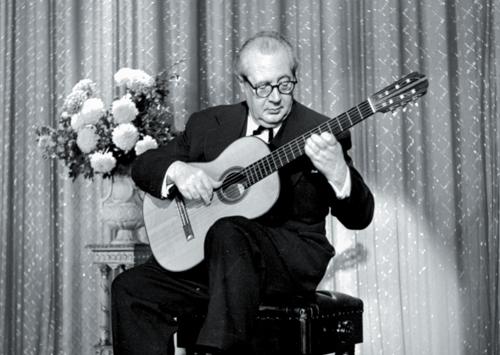
Andres Segovia discusses his life and career as a classical guitarist
Feb. 2, 1978 Studs interview with Andres Segovia about his life in Grenada and how he came to play the guitar as an orchestra instrument. Segovia speaks to the history of the guitar and other instruments as classical musical instruments. They discuss Segovia's choice of instrument, how he gives back to his genre, how he stays vibrant at his age, and how he and his audiences relate. Segovia explains his desires for the guitar in the philharmonic world. Studs notes how Segovia has had to teach composers how to write for guitars.
-
Jabbo Smith discusses his music from childhood and his career in Jazz as a trumpet and trombone player
Feb. 24, 1981 Studs interviews Jabbo Smith and presents some of his musical performances. The musical pieces are removed from this edited version of the original recording. Smith shares the story of his childhood in the Jenkins Orphanage and how he came to learn music there. He discusses the songs he wrote and people he played with throughout his career and how he came out of retirement in Holland on the trombone.
-
Leonard Sorkin discusses his career as a violinist with the Chicago Symphony Orchestra, the Fine Arts Quartet and as Director of Chamber Music Studies at the University of Wisconsin
Apr. 9, 1982 Studs interviews Leonard Sorkin about his career as a violinist. They discuss his training, which began in early childhood and who he studied under. Sorkin plays a few short tunes to demonstrate his art, and one was his childhood favorite of "Allegro" by Joseph Fiocco. Sorkin names Jascha Heifetz as one who he admired all his life and shares the sounds and names of others who have influenced him. He explains to Studs how the Fine Arts Quartet members change to adapt to new players but the quartet sound remains the same.
-
Alan Stone, Steven Larson and Judith Erickson, members of the Chicago Opera Theater, discuss the opera "Regina"
Mar. 29, 1982 Studs interviews Alan Stone, Steven Larson, and Judith Erickson about the opera, "Regina," playing at the Chicago Opera Theater. They describe the variety of music and dances in the opera. Stone, Larson, and Erickson name the cast and their roles and describe the characters. Each share how they came to be in theater. Stone explains how the company started. Larson describes the orchestra and the chorus. Erickson reads some of the lyrics of the aria, "The Best Thing of All," at the end of act one. Stone, Larson, and Erickson read various lines from the opera.