Listen to New Voices on Studs Terkel our partnership with 826CHI-here! Read the Story


Showing 11 - 20 of 62 results
-
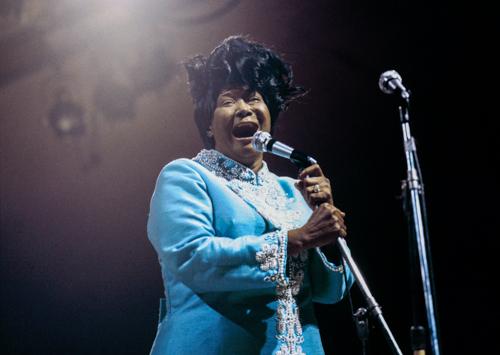
Hugh Wiley Hitchcock and Stanley Sadie discussing the book "The New Grove Dictionary of American Music"
Nov. 4, 1986 Discussing the book "The New Grove Dictionary of American Music". They talk about American music and musicians of all kinds and from different periods. Includes Charles Ive's song "At the River" sung by Cleo Laine in the middle of the program.
-

Brother John Sellers discusses his career as a blues artist and how church music inspired his music
Jul. 2, 1982 Studs interviews Brother John Sellers about his career and other blues singers. Sellers explains that religion influenced his music as did performers like Mahalia Jackson, Big Bill Broonzy, and Muddy Waters. Studs reads some of the lyrics of blues song, "In the Evening." Sellers describes street singers and blind singers. He describes the music and style of Jackson and Broonzy and some of his own songs. Sellers performs "Talk About A Child" and "Sally Go Round the Sunshine" live on the program.
-
John Hammond and John McDonough discuss music
1970 Music producer John Hammond and jazz critic for Down Beat magazine John McDonough discuss: Hammond's career; the artists he worked with; the artists he was the first to sign; social reform; and more. The following musical excerpts are played: "7 Come 11"; "Sauce"; "Talking Union"; "Blowing In the Wind"; "Today I Sing The Blues"; and "Live Embers".
-
Art Hodes discusses his career as a jazz and blues pianist
Jun. 17, 1981 Art Hodes discusses his history and influences on his career as a jazz and blues pianist. He tells stories of musicians he has worked with and how he keeps his performances fresh after playing for so many years. Music by Art Hodes is played throughout: "Chimes Blues", "Tennessee Waltz", "Grandpa's Spells", "Just a Closer Walk with Thee","Cakewalkin' Babies from Home", "Blues 'N Booze", and "Riverside Blues".
-
Helen Humes discusses her career
Jun. 29, 1977 Helen Humes discusses her career and touring with Count Basie and his orchestra. John McDonough is present for the interview and contributes. Songs sung by Helen are played throughout the interview: "He May Be Your Man", "Song of the Wanderer", "If I Could Be with You for One Hour Tonight" (2 recordings- one from 1940 and one from 1977), "Unlucky Woman", "They Can't Take That Away From Me", "Today I Sing the Blues", and "They Raided the Joint". Music has been removed for copyright reasons.
-
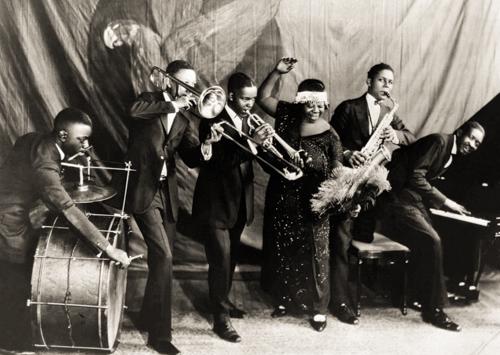
Sandra Lieb discusses the book "Mother of the Blues: A Study of Ma Rainey"
Jan. 12, 1982 Sandra Lieb discusses the book "Mother of the Blues: A Study of Ma Rainey." Includes songs sung by Ma Rainey such as "Runaway Blues," "See See Rider," "Moonshine Blues," and "Oh, Papa Blues." Includes poem "Ma Rainey" by Sterling Brown. Includes "Oh, Daddy," by Ethel Waters. Includes "Young Woman's Blues" by Bessie Smith.
-
Chanticleer discusses the group's history and music
Feb. 24, 1994 Terkel comments and presents the music of Chanticleer, an acapella ensemble, comprised of 12 all male voices. Chanticleer discusses the following: the group vocal composition; the groups history; various recordings; and their influences. Chanticleer performs the following songs live on air: "Benedicamus Domino", "If Ye Love Me", "O Sacrum Convivium", "Nude Descending a Staircase", "When I Fall in Love", "Jesus Met the Woman at the Well", and "Magnificat a 12".
-
Members of the Shanghai Quartet discuss their backgrounds
May. 17, 1989 The day before their concert performance at North Park College, the Shanghai Quartet was at the WFMT studios. Betty Bucchari explained her job was to search for great musicians that were not well-known. The Li brothers were destined to play the violins, as their parents were music teachers for 15 years.
-
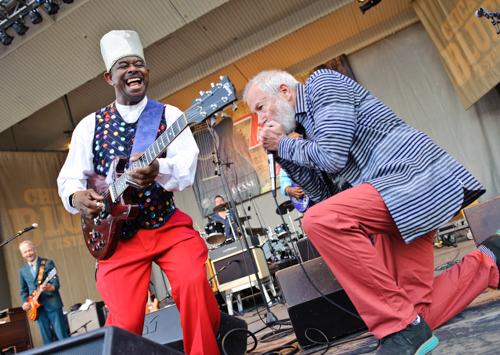
Corky Siegel and members of his ensemble the West End String Quartet discuss chamber blues
Oct. 15, 1996 Terkel interviews Corky Siegel and the West End String Quartet. Corky Siegel and the West End String Quartet also performs during the broadcast. They also discuss the musical genre of chamber blues.
-
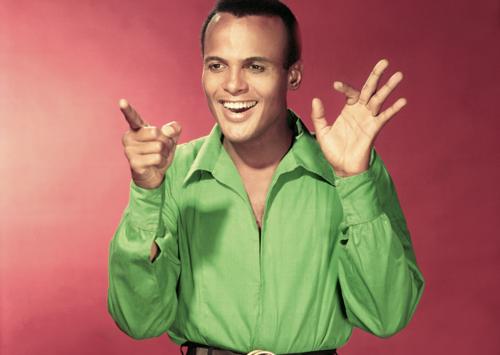
Harry Belafonte discusses jazz and folk music ; part 1
Jan. 6, 1955 Singer Harry Belafonte discusses Black music including spirituals and jazz and how it has contributed to American culture.