Listen to New Voices on Studs Terkel our partnership with 826CHI-here! Read the Story


Showing 1 - 10 of 48 results
-

Two Welshmen, an Englishman and housewife talk to Studs Terkel ; part 1
1968 While in England, Terkel attended a Rugby match in Wales. While at the match, he interviewed four people: two Welshman, an Englishman, and housewife. One of the people he interviewed is named David Thomson.
-
Two Welshmen, an Englishman and housewife talk to Studs Terkel ; part 2
1968 While on a trip to England, Terkel interviews housewife Ann Davis. This is an interview done in two parts.
-
William Brashler talks about his book "Bingo Long's Traveling All-Stars and Motor Kings"
Dec. 10, 1973 Mr. Brashler converses with Studs about his research for the novel and the players he had spoken with to gather information for the book. The novel tells the story of a baseball team that revolts from a tyrannical Negro League owner and spends the 1939 season barnstorming around the Midwest. Includes two excerpts of a Cool Papa Bell interview talking about their travel as "barnstormers". Studs and Mr. Brashler read several exchanges of dialogue from the book.
-
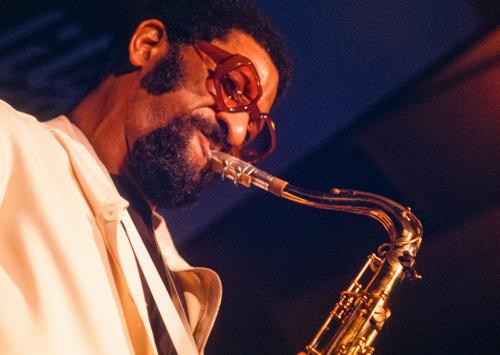
Sonny Rollins discusses his career
Oct. 16, 1978 Studs Terkel comments on baseball, baseball player Sam Crawford, comedian Spike Milligan, and interviews jazz musician Sonny Rollins. Includes a voice clip of baseball player Sam Crawford.
-
Poplar Blackwall and District Rowing Club members discuss rowing
1970 Studs Terkel’s trip to England included a visit to the Poplar Blackwall and District Rowing Club. Its members discuss the Great River Race and the culture of working on the Thames’ docks.
-
Ring Lardner Jr. discusses the writings of his father Ring Lardner
Jul. 6, 1976 Ring Lardner Jr. discusses the writings of his father Ring Lardner, and his new book "The Lardners: My Family Remembered", discussing his family life, Mother, Father, and siblings.
-
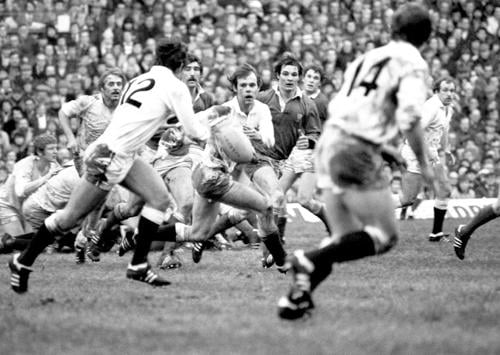
Studs Terkel discusses the rugby match between England and Wales live from Twickenham Stadium, London, England
The England vs. Wales rugby rivalry is brought to life live from Twickenham Stadium by Studs Terkel. Surrounded by 65,000 fans, Studs Terkel with David Thomson interview fans during the pregame show offering the traditions and spirit of this passionate sport.
-

Ira Berkow discusses his book "Pitchers Do Get Lonely"
Aug. 9, 1988 The Chicago Cubs and their first night game at Wrigley Field, Marvin Miller and the players' union and why Muhammad Ali didn't take his prescription medicines are all topics covered in Ira Berkow;s book, "Pitchers Do Get Lonely and other Sports Stories".
-
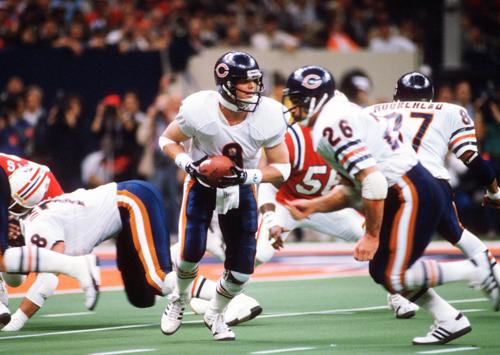
Interview with Ira Berkow
Jun. 27, 1997 Interviewing sportswriter Ira Berkow.
-
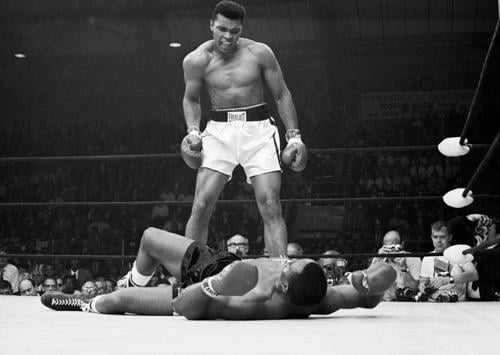
Muhammad Ali discusses his book "The Greatest: My Own Story"
Nov. 26, 1975 Content Warning: This conversation includes racially and/or culturally derogatory language and/or negative depictions of Black and Indigenous people of color, women, and LGBTQI+ individuals. Rather than remove this content, we present it in the context of twentieth-century social history to acknowledge and learn from its impact and to inspire awareness and discussion. Muhammad Ali discusses his book "The Greatest: My Own Story," touching on topics including his childhood and family, conversion to Islam, stance on the Vietnam War, and experiences in jail.