Listen to New Voices on Studs Terkel our partnership with 826CHI-here! Read the Story


Showing 281 - 290 of 393 results
-
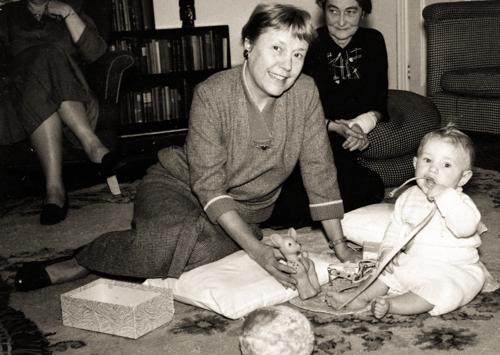
Tribute to Charlotte Towle
1967 Tribute to Charlotte Towle with Ner Littner, Pearl Rosenzweig, Alan Wade and Dame Eileen Younghusband.
-
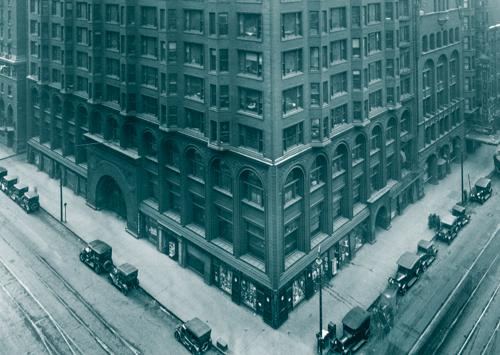
David Lowe discusses his book "Lost Chicago"
Dec. 8, 1975 Discussing the book "Lost Chicago" with the author David Lowe.
-
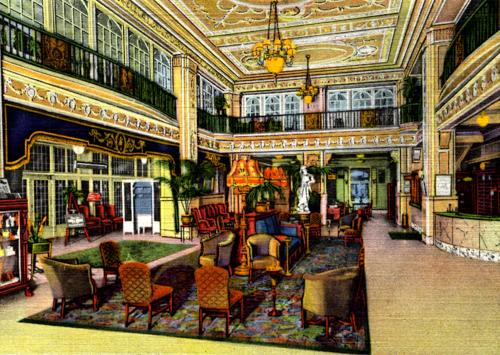
David Lowe discusses the history and story behind the architecture of Chicago from his book "Chicago Interiors"
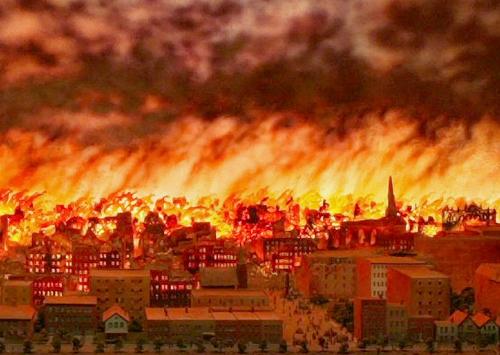
Nov. 7, 1979 Studs interviews David Lowe about his book, "Chicago Interiors." Studs begins the interview with John Carpenter’s “Skyscrapers.” Studs leaf’s through the book as they discuss various photos and Lowe describes the history of various structures from the book that includes Chicago history. They discuss the history of architecture in Chicago and highlight various famous architects. Lowe explains how the industrial revolution, foreign countries and the Chicago fire all influenced Chicago architecture.
-

Chicago area college teachers discuss recent grievances
1969 Discussing the role of the teacher and the Chicago Junior College teachers' grievances with Dr. Mary Mainwaring, Gordon Murray, Dr. Peter Senn and Dr. Morris Springer.
-
Mike Royko and Herman Kogan interview Studs Terkel
Jan. 16, 1967 In a rare turn of events, Mike Royko and Herman Kogan interview Studs Terkel about his book, "Division Street: America." Kogan is in awe of how Studs was able to get people to talk to him and give in-depth interviews. When asked by Royko, "What would you do if you were God?", Studs answered that he'd let man be man.
-
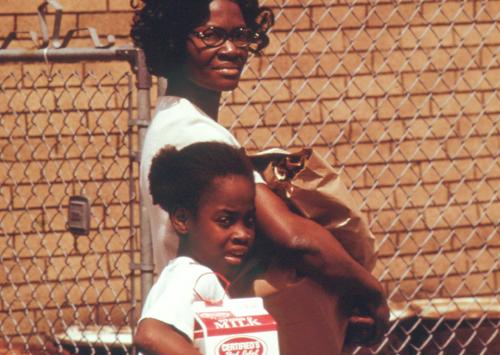
Jean Komaiko and Dr. Quentin Young discuss hunger in Chicago
Feb. 6, 1969 Joan Komaiko saw there were kids who could buy cartons of milk for four cents and the other kids who couldn't afford the milk, sat and watched the ones who drank the milk. Komaiko wrote a letter to the school board pointing out how kids couldn't do well at school because they were sent to school hungry. Dr. Quentin Young explained that the government needs to provide the children with breakfast and lunch at the schools because those two meals were probably the only meals children would receive that day.
-
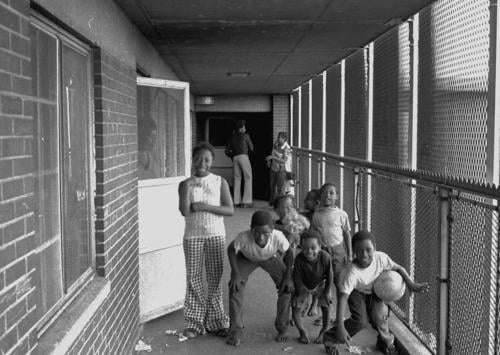
Alex Kotlowitz discusses his book "There Are No Children Here"
Feb. 28, 1991 Discussing the book "There Are No Children Here: The Story of Two Boys Growing up in the Other America" with author Alex Kotlowitz. Includes excerpt from WFMT doumentary, "Born to Live".
-
-
-
Horace Cayton discusses is book "Long Old Road" ; part 3
Sep. 7, 1966 Content Warning: This conversation includes racially and/or culturally derogatory language and/or negative depictions of Black and Indigenous people of color, women, and LGBTQI+ individuals. Rather than remove this content, we present it in the context of twentieth-century social history to acknowledge and learn from its impact and to inspire awareness and discussion.