Listen to New Voices on Studs Terkel our partnership with 826CHI-here! Read the Story


Showing 81 - 90 of 182 results
-

Interview with Bertrand Russell and Phyllis Evans Part 2
1962 Interviewing Bertrand Russell and Phyllis Evans while Studs was in England.
-
Raymond T. Exum and Marguerite Klimkowski discuss the merits of the Equal Rights Amendment
Nov. 22, 1978 Rev. Raymond Exum and Marguerite Klimkowski discuss the merits of the Equal Rights Amendment by comparing the 14th amendment, reviewing other federal and state laws, and considering gender based discrimination.
-
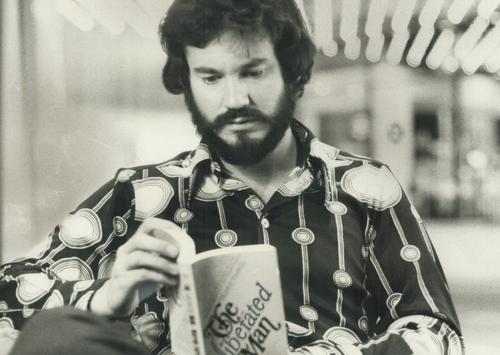
Warren Farrell discusses his book "Beyond Masculinity" and women's liberation
Sep. 9, 1971 Warren Farrell discusses his book "Beyond Masculinity." He discusses women's liberation and men's liberation. Includes clip of Caroline Bird discussing women's liberation.
-
Anais Nin discusses her book “Under a Glass Bell”
1972 French writer Anais Nin discusses her book “Under a Glass Bell” and its influences with Studs Terkel. Nin reads a few excerpts from her recently published work “Under a Glass Bell.”
-
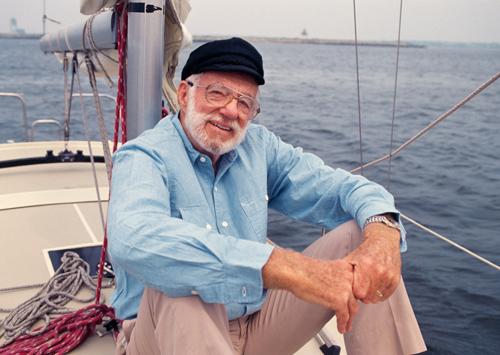
Dr. Benjamin Spock and Dr. Michael B. Rothenberg discuss the 40th anniversary of the book “Baby and Child Care”
Mar. 11, 1985 Dr. Benjamin Spock and Dr. Michael B. Rothenberg discuss the 40th anniversary edition of the book “Baby and Child Care.” The two discuss the changes they've made to the book, criticism they’ve faced since releasing the book, and how they’ve rethought gender roles in childcare. Studs plays “Hush Little Baby” - The Weavers (1955).
-
Interview with Dagmar Wilson
1967 Terkel interviews activist and children's author Dagmar Wilson. She discusses how she goes from a children's author to an activist for anti-nuclear testing.
-
Dorothy Granada discusses the Women’s Health Center in Mulukuku, Nicaragua
Apr. 28, 1994 Registered nurse and activist Dorothy Granada discusses the Women’s Health Center in Mulukuku, Nicaragua. Granada discusses her history with nonviolent activism and how this inspired her to help establish a women’s health center in Nicaragua that offers assistance to low-income communities and prioritizes the incorporation of traditional healing methods used by the indigenous people of the community. Studs plays "Yo soy de un Pueblo" - Luis Enrique Mejia Godoy (1984).
-
William Gibson discusses writing plays
1969 Now being a professional playwright, William Gibson talked about being able to write one of his plays in 8 days. A lot of the discussion is about his play, "The Miracle Worker". After reading one of Annie Sullivan's letters, and learning about a battle royale that Sullivan had with Helen Keller, Gibson envisioned what that battle royale would look like. It became a now famous part of the play.
-
-