Listen to New Voices on Studs Terkel our partnership with 826CHI-here! Read the Story


Showing 11 - 20 of 28 results
-
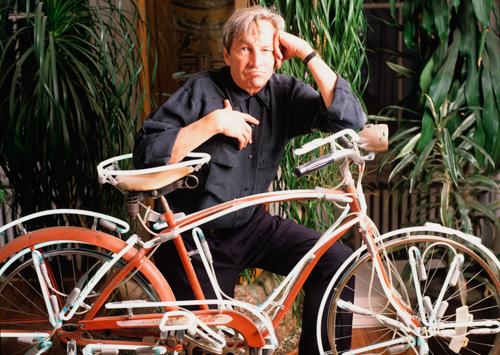
Mary Lynn Kotz discusses her book "Rauschenberg, Art and Life"
Oct. 29, 1991 In Mary Lynn Kotz's book, "Rauschenberg, Art and Life," Kotz recounts the works and story of 20th century art pioneer Robert Rauschenberg. They survey his career beginning in Port Arthur, TX, discussing his Depression-era upbringing which caused him to reuse and salvage virtually any object and transform it into art, his studies in Paris, made possible by the G.I.
-
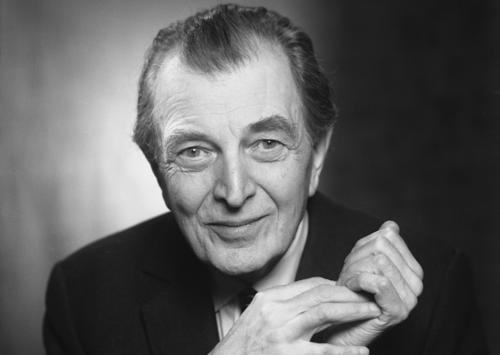
Alexander Tcherepnin discusses his career
Nov. 10, 1959 Russian composer Alexander Tcherepnin discusses his early upbringing, training, and composing bagatelles in Saint Petersburg, as well as the influence of his composer father, Benois family relatives, Russian/Asian/European cultural influence, electronic music.
-
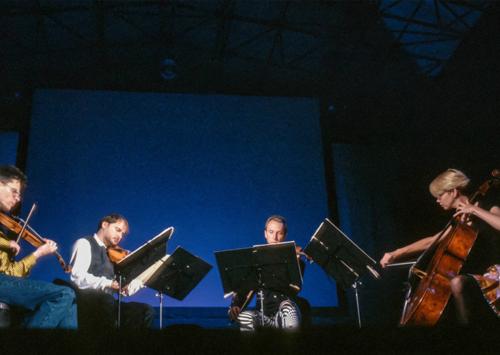
Studs comments and presents a musical performance of the Kronos Quartet
Sep. 22, 1986 Terkel comments and presents a musical performance of the Kronos Quartet
-
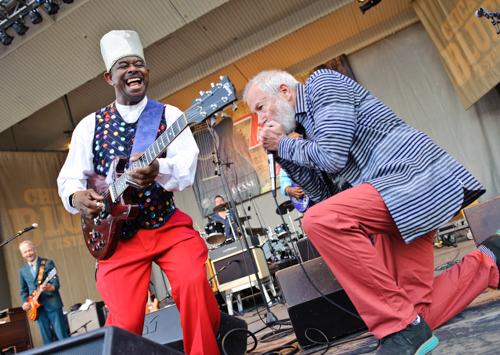
Corky Siegel and members of his ensemble the West End String Quartet discuss chamber blues
Oct. 15, 1996 Terkel interviews Corky Siegel and the West End String Quartet. Corky Siegel and the West End String Quartet also performs during the broadcast. They also discuss the musical genre of chamber blues.
-
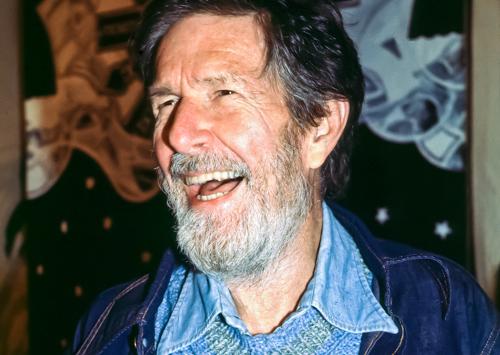
Merce Cunningham and John Cage discuss music and dance
Jan. 14, 1971 Merce Cunningham, choreographer and John Cage musician and composer speak about music and dance. The two gentlemen discuss with Studs how music and dance come together to create the avant-garde of art in both worlds (music and dance).
-
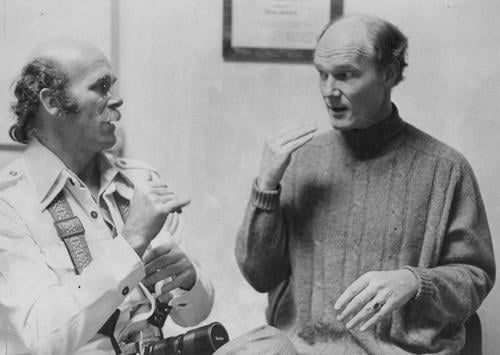
Several members of the cast of The Theater for the Deaf discuss their production ; Couples with a brief interview with John Cage and "Music for Carillon" is played.
Apr. 23, 1968 Rilla Bergman, Lou Fant, and Bill Reese converse with Studs about The National Theater for the Deaf and the production they are presenting. Two of the actors Ms. Bergman and Mr. Reese discuss what it took to learn, as hearing people, the best ways to express themselves with sign language. They all talk about how much more expressive the actors in the Deaf Theater have to be to convey the message of the piece they are presenting.
-
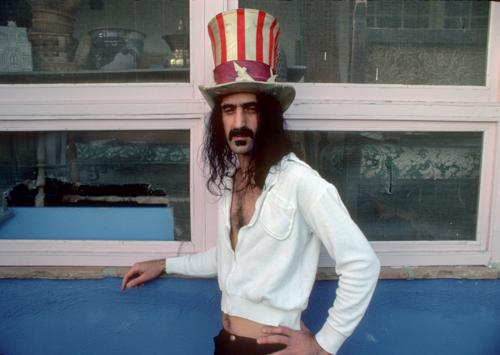
Discussing the music of the Mothers of Invention and interviewing Frank Zappa
Aug. 1, 1970 Discussing the music of the Mothers of Invention and interviewing Frank Zappa. Songs include "Who are the Brain Police," "Brown Shoes Don't Make It," "Concentration Moon," "Mom and Dad," "Bow Tie Daddy," "Harry, You're a Beast," "What's the Ugliest Part of Your Body?" "Trouble Every Day," "Very Distraughtening," "White Ugliness" and "There Will Come a Time."
-

Fela Sowande discusses his career and Nigerian music ; part 3
Jul. 3, 1962 Fela Sowande discusses his career, music, and compares African culture and music to Western culture and music. Includes two songs that are sung by tenor Max Worthley. Includes a clip of a Nigerian Youth song. Includes performance by a Nigerian skiffle band. Sowande was inspired by [Anthony Gregascoigne], an English poet he met in England.
-
Fela Sowande discusses his career and Nigerian music ; part 1
Jul. 3, 1962 Fela Sowande discusses his career, Nigerian music, and compares African culture and Western culture. Includes clips of musical performances by Highlife musicians and orchestra. Music: A clip of high-life music, "Folk Symphony for Full Orchestra."
-
Fela Sowande discusses his career and Nigerian music ; part 2
Jul. 3, 1962 Fela Sowande discusses his career, different types of Nigerian and African music, the Yoruba people, and religion. Includes clips of an African Yoruba pagan hymn "Oyigiyigi," a Christian version of that hymn, and an organ version of that hymn. Includes Sowande's song "Roll de Ol' Chariot." Quotes a poem by [Anthony Gregascoigne], an English poet he met in England.