Listen to New Voices on Studs Terkel our partnership with 826CHI-here! Read the Story


Showing 31 - 40 of 57 results
-
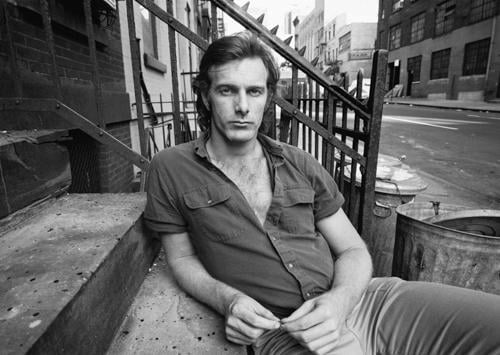
Interview with John Sayles
Jun. 10, 1991 Los Gusanos
-

-
Dr. Charles Clements talks with Studs Terkel
Apr. 13, 1984 Discussing observations and experiences as a medical practioner in Vietnam and then Central America, principally, El Salvador with Charlie Clements M.D.
-
Dorothy Granada discusses the Women’s Health Center in Mulukuku, Nicaragua
Apr. 28, 1994 Registered nurse and activist Dorothy Granada discusses the Women’s Health Center in Mulukuku, Nicaragua. Granada discusses her history with nonviolent activism and how this inspired her to help establish a women’s health center in Nicaragua that offers assistance to low-income communities and prioritizes the incorporation of traditional healing methods used by the indigenous people of the community. Studs plays "Yo soy de un Pueblo" - Luis Enrique Mejia Godoy (1984).
-
-
Presenting Ladino songs with guitarist and singer Larry Mesirow.
Jun. 12, 1991 Terkel comments and presents a musical performance of Ladino songs
-
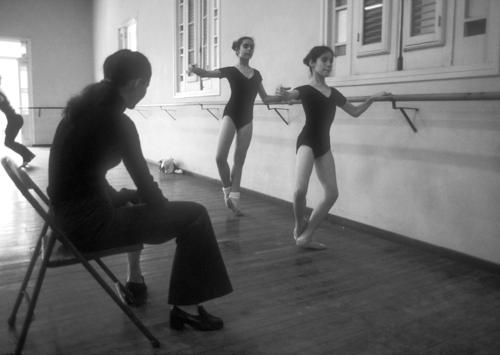
Linda Winer discusses Cuban dance, culture, and politics
Dec. 13, 1974 Art critic Linda Winer discusses her Chicago Tribune series on Cuba social culture and political conditions, especially in regards to dance companies. Studs plays a live version of "Guantanamera" - Pete Seeger (1963), "Canto Para Elegua" - Grupo Folklorico de Cuba, and “Canto a Wamba” - El Conjunto Experimental Santero.
-
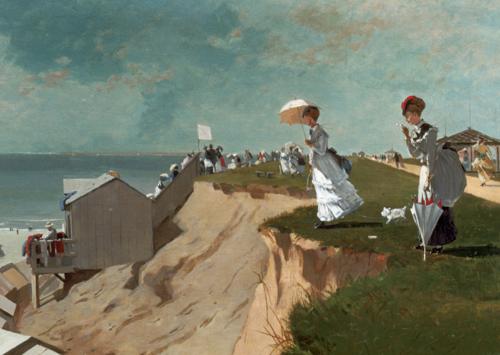
Richard McLanathan discusses his book "The American Tradition in the Arts"
1969 Richard McLanathan discusses his book "The American Tradition in the Arts" and takes Studs on a sprawling journey through artistic breakthroughs in architecture, painting, literature, and more while touching on dozens of artists and their works.
-
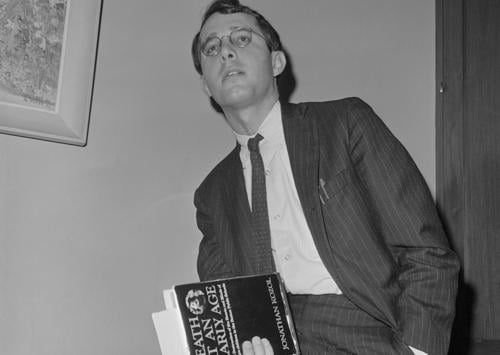
Jonathan Kozol discusses his book "Children of the Revolution: A Yankee Teacher in the Cuban Schools"
Nov. 10, 1978 Studs has a spirited discussion with Jonathan Kozol who shares his adventures and learnings in Cuba that formed the basis of his book "Children of the Revolution: A Yankee Teacher in the Cuban Schools." Kozol explains the ambitious Cuban Literacy Campaign begun in the 1960s that aimed to educate the entire population, tells of children teaching adults in remote villages by lantern light, and the unity and national pride that resulted. He and Studs explore the idea of generative words in literacy education and contemplate Kozol's hope to adapt a similar approach to American education.
-
Mel Lambert and five Puerto Rican boys discuss life in Chicago and the Latin King gang ; part 2
1968 Studs interview with five Puerto Rican boys: Hector, Jose, Victor, Harry and Carlos. Two other young men enter the conversation at the end: Raphael and Benjamin. Each boy describes a memory and some express a desire to return to Puerto Rico, while others wish to stay in America. The boys describe some about gang life with the Latin Kings and the violent relationship between gangs in Chicago. Studs suggests a peace conference with all gang leaders, and the boys describe their opinion of the outcome of such a meeting.