Listen to New Voices on Studs Terkel our partnership with 826CHI-here! Read the Story


Showing 1 - 10 of 63 results
-

Studs Terkel comments about London and random interviews
1968 A compilation of Studs Terkel comments about Paris, London, and Rome and about his experiences interviewing in Britain; includes interview in France, part 2.
-
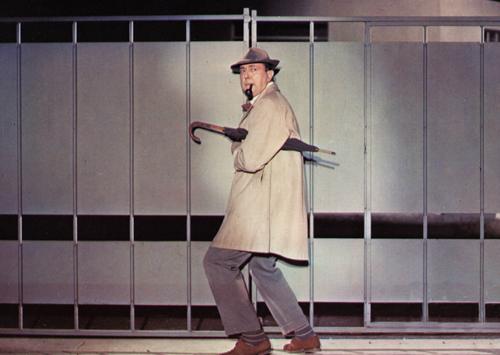
French humorist Jacques Tati talks with Studs Terkel
Nov. 1, 1962 Filmmaker Jacques Tati and Studs discuss finding the humor in everyday life and people becoming their gadgets. The two also go in-depth about Tati's film "Mon Oncle" and the development of the character Monsieur Hulot.
-
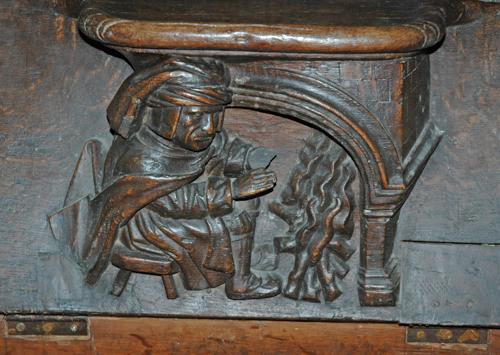
Dorothy and Henry Kraus discuss the book "The Hidden World of Misericords."
Feb. 10, 1976 Dorothy and Henry Kraus describe how they discovered an entire European collection of church-located woodcarvings depicting a wide variety of scenes crafted by local artisans. Hundreds of years of political, religious, and social events shaped the portrayals, and they explore many of the illustrations in their book, focusing on the themes of labor, animals, and religion. They marvel at the skill and craftsmanship and observe that the works can be a rich source of primary research material for modern scholars.
-
Jean Vilar discusses French Theater
1965 French actor and director Jean Vilar discusses French Theater and the Théâtre National Populaire.
-
Jean Vilar and Eugène Ionesco discuss French theater
1968 In the first part of this program Studs Terkel discusses French theater with critic Jean Vilar. In the second part, Studs and Eugène Ionesco discuss Ionesco’s work and the Theater of the Absurd.
-

On location in Melun, France at Maison Central Melun prison ; part 1
1962 Studs tours the prison and speaks with prison director Jean Blayrat and a lady referred to as Madame B translates. They talk about the crimes of the a few of the prisoners and the rehabilitation programs the prison system uses in France.
-

On location in Melun, France at Maison Central Melun prison ; part 2
1962 Madame B. translates for Studs as he speaks with two inmates. Both inmates work in the prison one as a cook and the other as a librarian. Studs talks to each of the inmates about their early life, their work in the prison and their rehabilitation. Madame B is interviewed after the visit to the prison, and she speaks about her volunteer work at the prison. Following the interview, there is a postscript in which Madame B. records "notes" for Nelson Algren and Herman and Mrs. Kogan. Once he is on his own, Studs explains that Madame B.
-
-

Discussing Cole Porter's work and the book "Cole" and interviewing its author Robert Kimball
1970 Cole Porter biographer Robert Kimball talks with Studs about his book "Cole" and his subject's life and work as they listen to classic performances of some of his most beloved songs. They marvel at how Porter perfectly captured the zeitgeist of the times in his lyrics, his lyrical influences, his unique method of outside-in composing lyrics and music simultaneously, Bobby Short's masterful interpretations, controversies over some of his works, and how well his material holds up.
-