Listen to New Voices on Studs Terkel our partnership with 826CHI-here! Read the Story


-
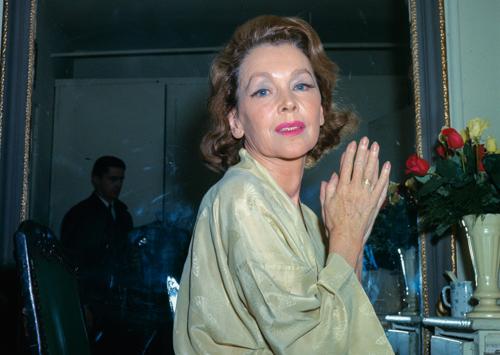
Maureen O'Sullivan discusses her acting career
1966 Actor Maureen O'Sullivan discusses her role in the play "Philadelphia, Here I Come!" and her career; excerpt from play "Philadelphia, Here I Come!" and "Riders to the Sea" recited during interview.
-

American Conservatory Theater actors talk with Studs Terkel ; part 1
1967 Terkel interviews actors from the American Conservatory Theater: Richard A. Dysart, Robin Gammell, Rene Auberjonois, Janis Young, and William Ball. This is an interview done in two parts.
-
American Conservatory Theater actors talk with Studs Terkel ; part 2
1967 Terkel interviews four principle actors from the American Conservatory Theater: Richard A. Dicer, Robin Gammell, Renee Obajinhua, and Janis Young. This is an interview done in two parts.
-
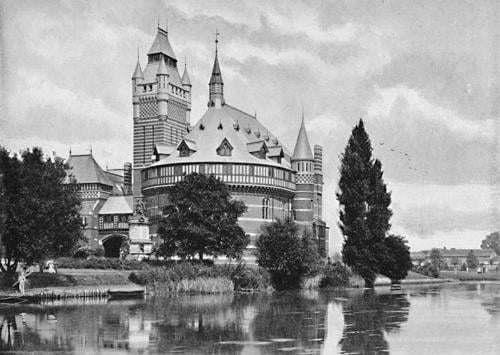
Studs Terkel in Stratford-Upon-Avon. At the National Theatre and at the Falcon Hotel ; part 1
1962 Studs Terkel heads to the British town of Stratford-upon-Avon (the birthplace of William Shakespeare) intending to interview Sir John Gielgud, and getting a few words before Studs realizes that Sir John is not intending to be interviewed. He speaks instead to other members of the company. Then he meets Mr. and Mrs. Lawrence in the Falcon Hotel.
-
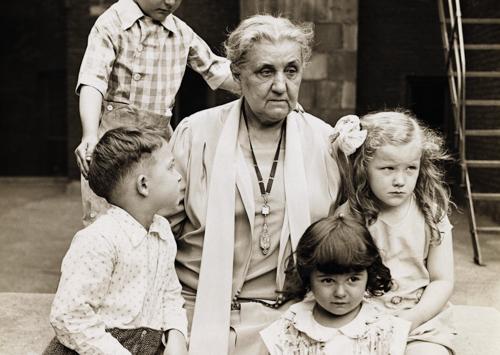
Jessie F. [Florence] Binford talks with Studs Terkel about Jane Addams
Jun. 13, 1960 Ms. Binford talks with Studs about Jane Addams life and her dedication to social service with the women and children of Chicago. Ms.Binford discusses the creation of Hull House and the associated buildings and how deeply in need they were of the help.
-
Hiram Sherman discusses the play “A Flea in Her Ear”
Apr. 23, 1968 Studs Terkel speaks with actor Hiram Sherman about Sherman’s play “A Flea in Her Ear,” winning awards, and the differences between American theater and European theater.
-
Hiram Sherman discusses the play “Mary, Mary” ; part 2
Sep. 7, 1962 Studs Terkel and actor Hiram Sherman discuss Sherman’s upcoming play “Mary, Mary,” the Actors’ Equity Association, and what it is like to be an actor.
-
Douglas Turner Ward discusses the play “The River Niger”
Dec. 4, 1973 Theater director Douglas Turner Ward talks with Studs Terkel about the play "The River Niger." Further discussion is had about the play's writer, Joseph Walker, as well as the story and characters, and the play's connection to the African-American community.
-
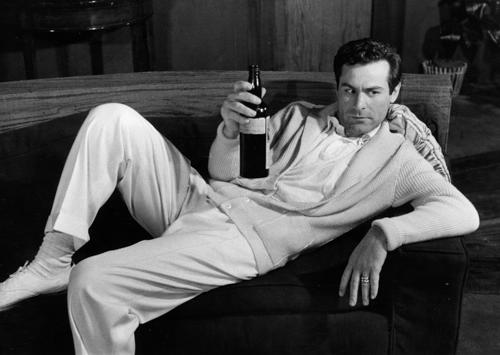
Sam Wanamaker discusses the theater ; part 1
Dec. 4, 1964 Sam Wanamaker talks about the curtain of a stage being a barrier between the set and the audience. Wanaker says that with theater today, there are more theaters in the round and more thrusts of ramps built into the audience, so that the audience can feel they are a part of the production of the play.
-
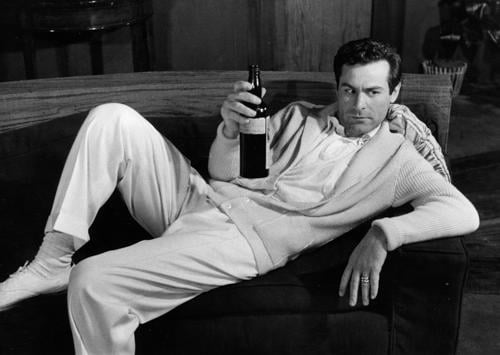
Sam Wanamaker discusses theater ; part 2
Dec. 4, 1964 Sam Wanamaker continues his discussion about the theater, with an emphasis on lights and music. With his production of "Macbeth," Wanamaker didn't want three-dimensional witches. Instead, he used lighting to convey their presence. In addition, similar to the line from Macbeth, Wanamaker was able to show the witches disappearing and melting into the air.