Listen to New Voices on Studs Terkel our partnership with 826CHI-here! Read the Story


Showing 11 - 20 of 64 results
-
-
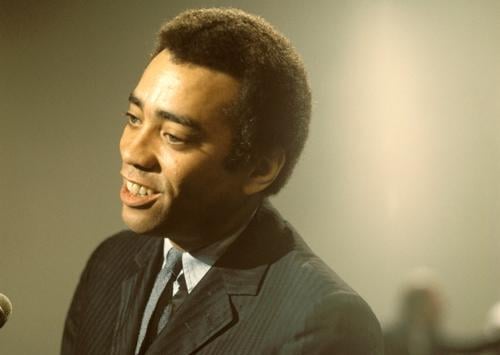
Discussing the book "Jazz Piano: History and Development" with Billy Taylor
Nov. 16, 1982 Studs Terkel and Billy Taylor discuss the book "Jazz Piano: History and Development". They discuss jazz musicians and the history of jazz music. Includes excerpts of drums, piano, and orchestra playing in the background.
-

John Hammond and John McDonough discuss music and their careers
Sep. 11, 1975 Presenting music with music producer (impresario) John Hammond. The following topics were discussed: various recordings; his encounters with famous jazz musicians; the first time he met Billie Holiday; the song "Strange Fruit"; improvisation; racial reform; Bessie Smith's death; and uniting rural and urban artists. The following musical excerpts were played and have been removed for copyright reasons: "7 Come 11"; "This Years Kisses"; "Lady Be Good"; "Young Woman's Blues"; "What More Can Jesus Do"; and "Piney Brown Blues".
-
Max Morath discusses his career and jazz music
Jun. 18, 1970 Max Morath discusses his career, jazz music, and history.
-
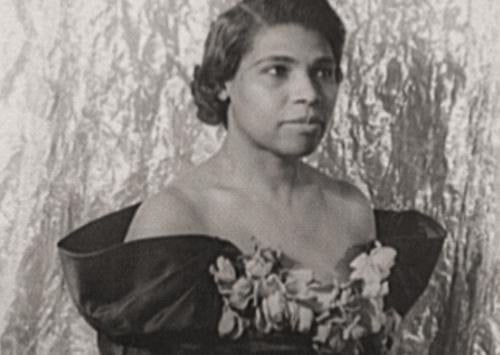
Marian Anderson discusses her career, and how she interprets songs
Feb. 20, 1960 Marian Anderson talks about her singing career, including her singing in Sunday School and her first singing experience in 4th grade. She shares how she interprets the songs she sings. Includes Studs reading the poem "Gertrude" by Gwendolyn Brooks. The interview takes place in Anderson's suite in the Sheraton Blackstone in Chicago.
-
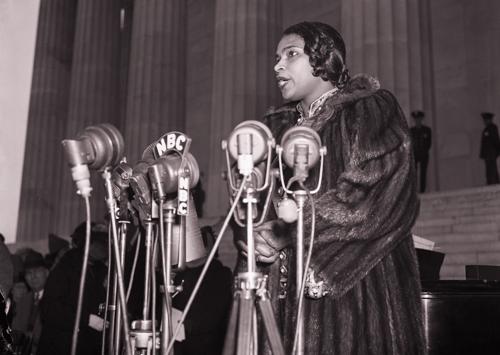
Interviewing Marian Anderson and James DePreist ; part 2
1966 Marion Anderson, soloist, and James DePreist, conductor, sit down with Studs Terkel prior to their Grand Park Weekend Concert where "Berjack Symphony No. 2 or 7" will be played with the 'Copland Preamble for Solemn Occasion" as well as a group of Negro Spirituals with "Ava Maria". Marian Anderson begins the interview by singing "Erlkonig" and concludes with "Ava Maria". She discusses the early influence of the first Negro arts singer, Roland Hayes had on her in Philadelphia and his "He Never Said a Mumberlin' Word" is played. Both Anderson and DePreist discuss how song becomes drama.
-
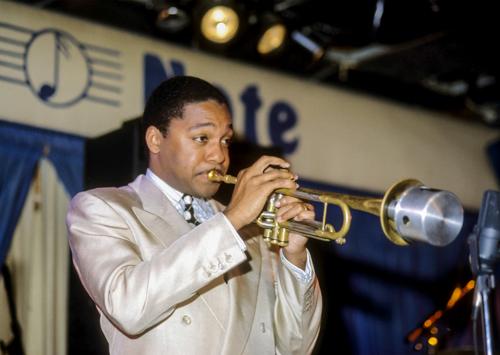
Wynton Marsalis discusses his musical upbringing
Nov. 5, 1985 Terkel comments and presents a musical performance by Wynton Marsalis
-
Members of the Shanghai Quartet discuss their backgrounds
May. 17, 1989 The day before their concert performance at North Park College, the Shanghai Quartet was at the WFMT studios. Betty Bucchari explained her job was to search for great musicians that were not well-known. The Li brothers were destined to play the violins, as their parents were music teachers for 15 years.
-
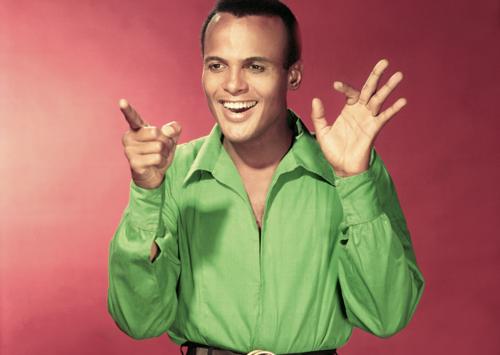
Harry Belafonte discusses jazz and folk music ; part 1
Jan. 6, 1955 Singer Harry Belafonte discusses Black music including spirituals and jazz and how it has contributed to American culture.
-
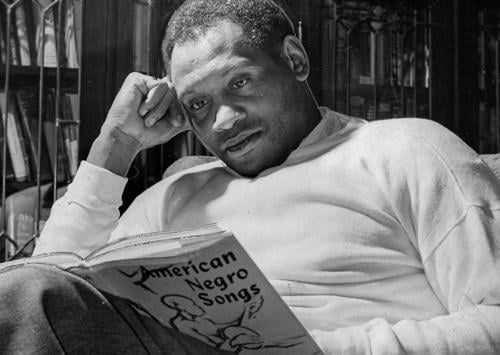
Interview with Avery Brooks
Feb. 7, 1991 Discussing Paul Robeson with actor, teacher, and musician Avery Brooks.