Listen to New Voices on Studs Terkel our partnership with 826CHI-here! Read the Story


Showing 41 - 50 of 1650 results
-

David Scherman discusses “The Best of Life,” a book he edited
Oct. 12, 1973 Photographer David Scherman talks with Studs Terkel about the stories that photos can tell, famous photographers, and the book “The Best of Life,” which Scherman edited. A recording of the song “Brother, Can You Spare a Dime?” by the Weavers is played.
-
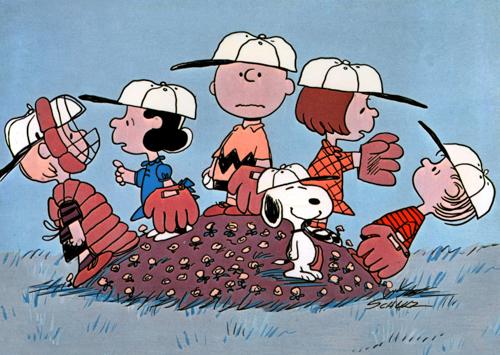
Robert Short discusses his book “The Gospel According to Peanuts”
1975 Theologian Robert Short talks with Studs Terkel about the Christian allegories and references in the comic strip “Peanuts” as well as Short’s book “The Gospel According to Peanuts.” Terkel reads a few excerpts from Short’s book. Terkel, Short, and Cathy Zmuda read a few “Peanuts” comic strips and all three assume various “Peanuts” characters during the readings.
-
Clancy Sigal discusses his book “Zone of the Interior”
Jun. 11, 1992 Clancy Sigal and Studs Terkel discuss Sigal’s book “Zone of the Interior” and the role that schizophrenia plays in it. Both Sigal and Terkel read excerpts from Sigal’s book.
-

Shel Silverstein discusses his books, children's literature, and art; part 1
Nov. 20, 1961 Shel Silverstein discusses his books "Lafcadio: The Lion Who Shot Back" and "Uncle Shelby's ABZ Book".. Shel Silverstein discusses his books, children's literature, and cartoonists.
-

Shel Silverstein discusses his books, children's literature, and art; part 2
Nov. 20, 1961 Shel Silverstein discusses his books and children's literature, and art. Shel Silverstein discusses his contemporaries, art, and life experiences.
-
Alan Watts discusses and reads from his book "In My Own Way"
1970 In Alan Watts' autobiography, "In My Own Way," he explains that the song "Onward Christian Soldier" is militant, and of a militant religion, whereas Zen Buddhism is not militant at all. Watts also says that most of the troubles that go in the world are created by people that take life too seriously.
-
John D. Weaver discusses his book "The Brownsville Raid"
Apr. 6, 1971 Events not recorded in history books is what prompted John D. Weaver to write "The Brownsville Raid: The Story of America's Black Dreyfus Affair". Weaver had heard the story of Black Army soldiers causing a raucous, when they were actually set up. Without even being granted a trial, President Theodore Roosevelt, dismissed those soldiers from the United States Army, Weaver explained.
-
Margaret Webster discusses Shakespeare and his plays
Apr. 21, 1961 American-British actress Margaret Webster, talks about the unsophisticated audience members that go to see plays by Shakespeare. Upon seeing a play, they're afraid to go at first but once they are there, they realize how much they are truly enjoying themselves.
-
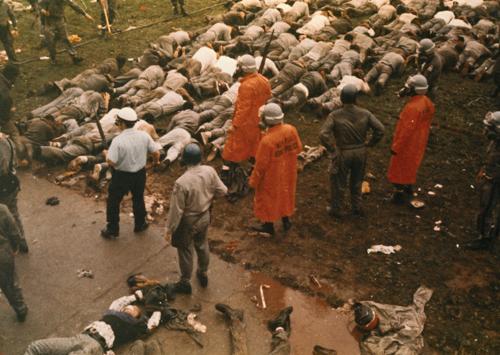
Tom Wicker discusses his book "A Time to Die: The Attica Prison Revolt"
Mar. 21, 1975 Wicker discusses the events at the center of his book, "A Time to Die: The Attica Prison Revolt." The discussion also covers Wicker's thoughts on his responsibility as a journalist to his fellow man. Both Wicker and Terkel read excerpts from the book. (includes excerpts from T2576, 1970 Nov. 20).
-
John Wicklein discusses his book "The Electronic Nightmare"
Jul. 1, 1981 Content Warning: This conversation includes racially and/or culturally derogatory language and/or negative depictions of Black and Indigenous people of color, women, and LGBTQI+ individuals. Rather than remove this content, we present it in the context of twentieth-century social history to acknowledge and learn from its impact and to inspire awareness and discussion.