Listen to New Voices on Studs Terkel our partnership with 826CHI-here! Read the Story


Showing 21 - 29 of 29 results
-
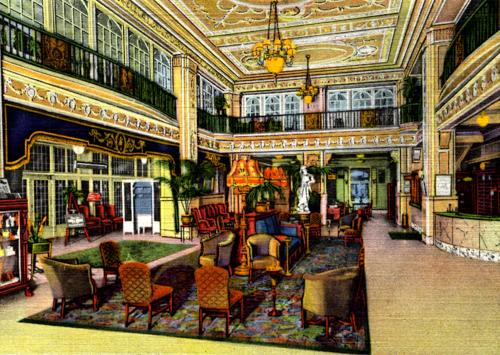
David Lowe discusses the history and story behind the architecture of Chicago from his book "Chicago Interiors"
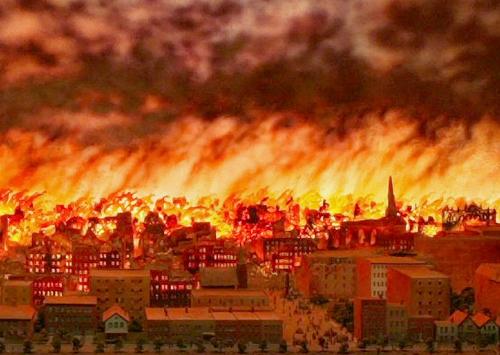
Nov. 7, 1979 Studs interviews David Lowe about his book, "Chicago Interiors." Studs begins the interview with John Carpenter’s “Skyscrapers.” Studs leaf’s through the book as they discuss various photos and Lowe describes the history of various structures from the book that includes Chicago history. They discuss the history of architecture in Chicago and highlight various famous architects. Lowe explains how the industrial revolution, foreign countries and the Chicago fire all influenced Chicago architecture.
-
-

-
-
Robert Twombly discusses the biography “Louis Sullivan: His Life and Work”
Mar. 24, 1986 Architectural historian Robert Twombly discusses the biography “Louis Sullivan: His Life and Work.” Referred to by Studs as the architect that most symbolizes Chicago architecture, Louis Sullivan, this program outlines Sullivan’s life as a prominent architect who was one of the first to incorporate nature, or "the organic", into architecture, and who ended his life in poverty. This program includes a clip from 1956 of Frank Lloyd Wright speaking to his contemporaries, indignant, asking what took them so long to recognize Louis Sullivan and his genius in the architectural field?
-
John Vinci, David Van Zanten, and Wim de Wit discuss the Chicago Historical Society’s exhibition “Louis Sullivan: The Function of Ornament”
Aug. 27, 1986 Architect John Vinci, art and architectural historian David Van Zanten, and curator Wim de Wit discuss Louis Sullivan and the Chicago Historical Society’s exhibition “Louis Sullivan: The Function of Ornament.” The group discusses Sullivan’s use of ornament to add an organic element to his architecture; as well as some of Sullivan’s most prominent work, including the Chicago Stock Exchange Building, the Auditorium Building, and the Sullivan Center. This program includes a clip from 1956 of Frank Lloyd Wright discussing Sullivan and his impact on architectural design.
-
-
Robert Caro discusses his book, "The Power Broker: Robert Moses and the Fall of New York"
Oct. 30, 1974 Robert Caro, journalist, discusses his book, "The Power Broker: Robert Moses and the Fall of New York." Caro talks about Robert Moses and the power he had over New York for 44 years. He talks about parks, bridges, highways, and housing that Moses built as he challenged mayors, governors, and the working class.
-
Talking about skyscrapers, with Stanley Tigerman and Stuart Cohen
Jun. 23, 1980 The architects sit down with Studs to discuss their two-volume book project - Chicago Tribune Tower Competition (about the 1922 Tribune administrative building design submissions) and Late Entries (about a 1980 interpretation of the earlier competition).*Please note: some sections have been edited out from the original recording due to copyright considerations