Listen to New Voices on Studs Terkel our partnership with 826CHI-here! Read the Story


Showing 1 - 10 of 58 results
-

Lewis Regenstein discusses his book, "The Politics of Extinction: The Shocking Story of the World's Endangered Wildlife".
Aug. 12, 1975 Mr Regenstein and Studs discuss the book, "The Politics of Extinction". The book blows the whistle on those who are currently engaged in killing these animals for "sport," fashion, and profit. They talk about various endangered species and what that distinction means and the public officials with the power- and the responsibility - to protect wildlife, but who instead allow the destruction to continue.
-

Edward W. Said discusses Palestine, history of and struggles in the Middle East
Oct. 1, 1984 Edward W. Said talks about the importance of language in shifting perceptions of Middle Eastern people, refutes some opinions about Palestine, identities, and overlapping Eastern and Western cultures.
-
Nicholas Von Hoffman discusses his novel, "Two Three Many More" with Studs Terkel
1970 Nicholas Van Hoffman discusses the characters of his novel, "Two Three Many More" about campus protests against the Vietnam War. Political viewpoints, regulations, and character analysis are discussed. Von Hoffman opens the interview with a reading from the opening of the book that mentions peace, solidarity, and disunity. Terkel and Von Hoffman read excerpts together from the book.
-
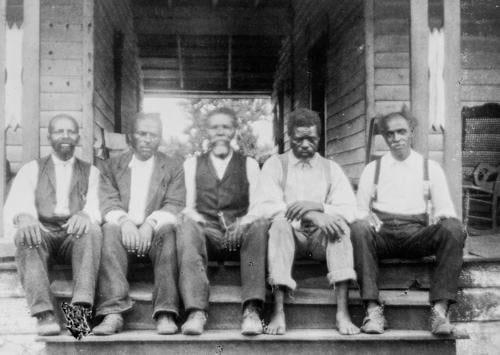
Lerone Bennett, Jr., John Hope Franklin and Hoyt Fuller discuss the book "Distortions of Negro History"
Jun. 3, 1965 Discussing "Distortions of Negro History" and interviewing Lerone Bennett, Jr., John Hope Franklin and Hoyt Fuller.
-
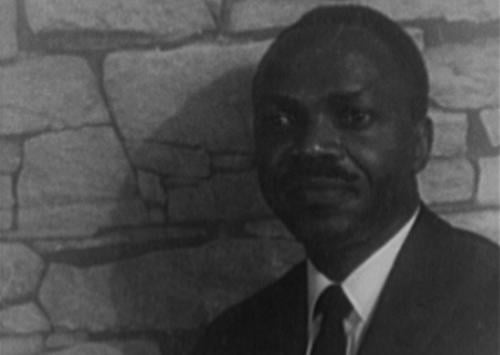
E.R. Braithwaite discusses his career and the book "Reluctant Neighbors"
1972 E.R. Braithwaite, Guyanese-born British-American novelist, writer, teacher and diplomat discusses his writing and career. The interview opens with Mr. Braithwaite, reading from his book "Reluctant neighbors".
-
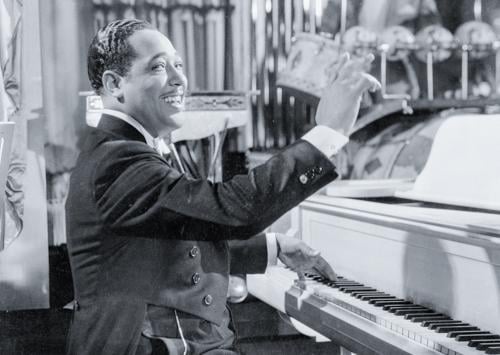
Celebrating jazz composer and musician Duke Ellington's birthday with jazz scholar and historian Richard Wang
Apr. 9, 1991 Celebration for Duke Ellington's birthday
-
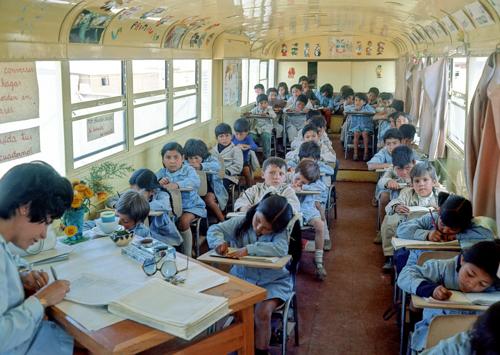
A panel of academics discuss education
Jun. 18, 1982 Studs Terkel leads a panel discussion on global education and the issues immigrants face in the American educational system. Panel members include Marilyn Turkovich, Dennis Brutus, Joe Elder, Daphne Maijorca, and Liu Zongren.
-
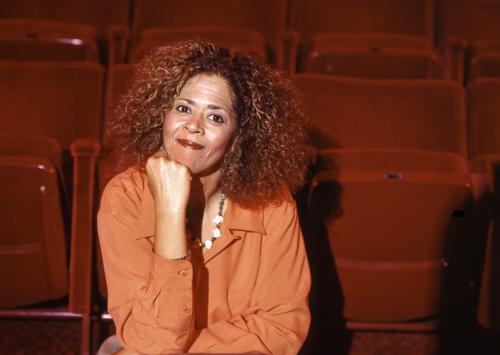
Anna Deavere Smith discusses her career
May. 4, 1995 Anna Deavere Smith discusses and demonstrates her unique character portrayals from her works "Fires in the Mirror" and "Twilight: Los Angeles, 1992."
-

Mary Lynn Kotz discusses her book "Rauschenberg, Art and Life"
Oct. 29, 1991 In Mary Lynn Kotz's book, "Rauschenberg, Art and Life," Kotz recounts the works and story of 20th century art pioneer Robert Rauschenberg. They survey his career beginning in Port Arthur, TX, discussing his Depression-era upbringing which caused him to reuse and salvage virtually any object and transform it into art, his studies in Paris, made possible by the G.I.
-
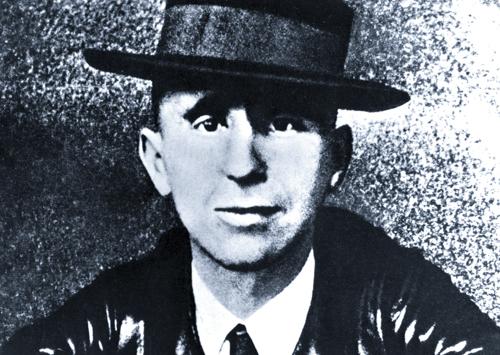
Frederick Ritter discusses Bertolt Brecht; part 1
Jun. 24, 1959 Frederick Ritter, professor at Illinois Institute of Technology, discusses the life and work of playwright Bertolt Brecht, the genre of epic theater, and more.