Listen to New Voices on Studs Terkel our partnership with 826CHI-here! Read the Story


Showing 11 - 20 of 111 results
-
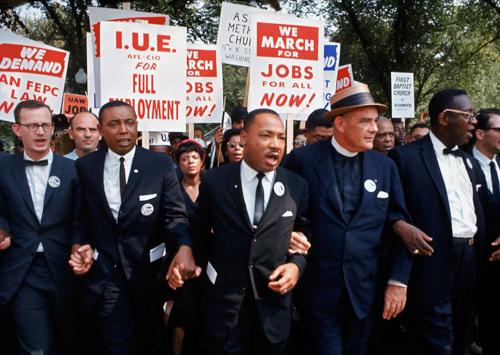
Studs Terkel presents a tribute to Martin Luther King, Jr.
Apr. 5, 1968 Studs Terkel shares a special program honoring the birthday of civil rights leader Martin Luther King, Jr. Includes excerpts from Terkel’s 1965 interview with King about King’s dream for civil rights in the United States, influence of his father, the damaging effects of segregation, and the role of love in bringing about social change. The program also includes excerpts from King’s 1963 “I Have a Dream” speech from the Civil Rights March on Washington, and his 1967 Christmas Eve speech at Bethesda Memorial Church in Atlanta.
-
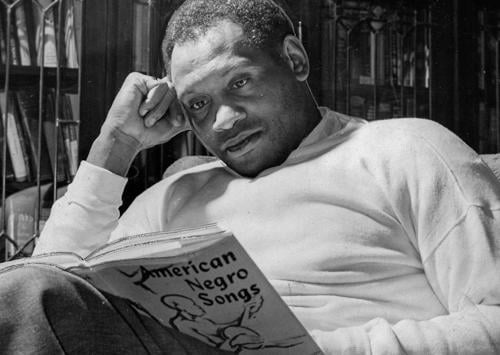
Studs presents a tribute to singer, actor, athlete, author and civil rights crusader Paul B. Robeson
Jan. 28, 1976 Studs presents a tribute to singer, actor, athlete, author and civil rights crusader Paul B. Robeson. Studs talks about his personal memories, the social impact and music of Paul Robeson. Excerpts from 1925362-4-1 Mr Robeson' friends recall memories of him: Earl Dickerson one of the 1 st black aldermen of Chicago, J. Mayo "Ink" Williams football player, Studs Terkel, Claudia Cassidy(1925655-4-1), Eddie Balchowski, Veteran, painter, poet(1934701-3-1) Includes excerpts from 1925362-4-1 and music. Similar to 1925362-3-1, but not identical. 01/23/1976 date of death.
-
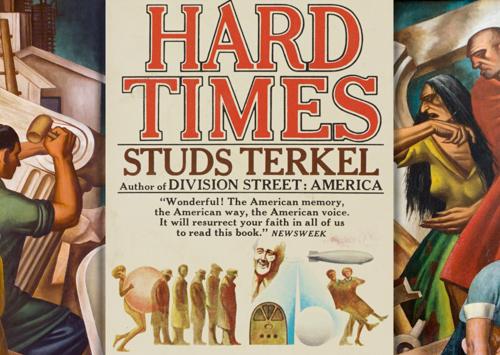
Terkel comments and presents "Hard Times: an oral history of the great depression" ; Program 15; part 1
1971 Presenting "Hard Times: an oral history of the great depression": "A gathering of survivors" with Joe Morrison, Evelyn Finn, Jose Iglesias, Bob Stinson, Oscar Heline, Eml & Ruth Loriks, Buddy Blankenship, Mary Owsley, Sally Rand, Jerome Zerbe, John Beeche (promgram XIII)
-

-
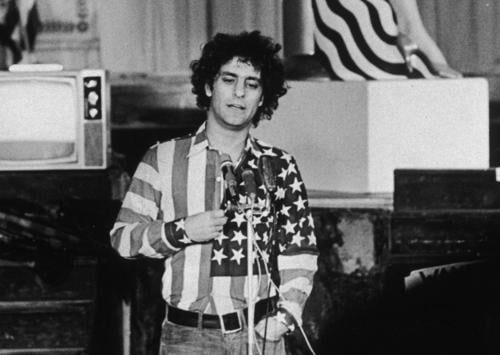
Interview with members of the Chicago 8
Mar. 26, 1988 Interviewing Abbie Hoffman, Bobby Seale, and Dave Dellinger of the Chicago 8.
-
-
-

Roger Buffalohead Native American educator, scholar and activist talks about Native American history and education
Nov. 15, 1971 Mr Buffalohead a Native American educator, scholar and activist talks to Studs in Minnesota about Native American history and about creating space at universities for Native / Indigenous studies programs. At the end Studs states that there is another 15 minutes of the program, that will be presented at another time.
-
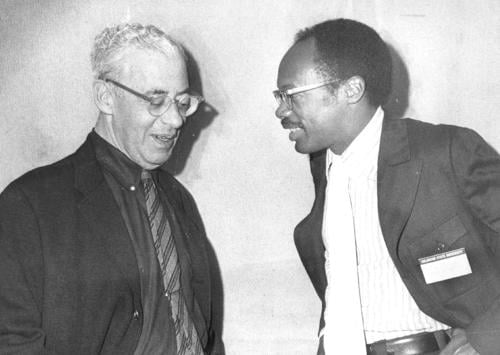
Saul Alinsky, American community organizer, political activist, and writer discusses his book "Rules for Radicals" with Studs Terkel
1971 Community organizer and social activist, Saul Alinsky speaks about his newest book, "Rules for Radicals," and reminisces about his work in the Back of the Yards neighborhood, his advocacy for African-American labor rights, and his connection with the Mexican-American civil rights movement in California. Although Studs' introduction states that this is a rebroadcast of a 1962 interview, that is incorrect. The interview was recorded in 1971.
-