Listen to New Voices on Studs Terkel our partnership with 826CHI-here! Read the Story


Showing 11 - 20 of 23 results
-

Interviewing Earl B. Dickerson, a Chicago lawyer
Oct. 28, 1975 The distinguished lawyer and former Chicago alderman reflects on his long career, before being honored at an NAACP Legal Defense Fund event at the Continental Plaza Hotel. Studs includes a clip of W.E.B. DuBois speaking.*Please note: some sections have been edited out from the original recording due to copyright considerations
-
David Hamlin discusses his book, "The Nazi/Skokie Conflict: A Civil Liberties Battle"
Mar. 5, 1981 David Hamlin, author and former Executive Director of ACLU, discusses his book "The Nazi/Skokie Conflict: A Civil Liberties Battle." Hamlin talks about Frank Collin, a jewish man turned leader of American Nazi Party leader and the court battle over the right to demonstrate in Skokie, Illinois. He also talks about the retaliation against the ALCU for defending Collin's case in court. At the end of the interview, Hamlin gives some advice on how to deal with people like Frank Collin.
-
-
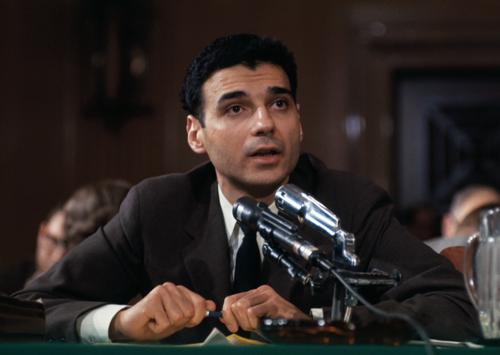
Ralph Nader in conversation with Studs Terkel
Jun. 25, 1986 Discussing the book "The Big Boys: Power and Position in American Business" (published by Pantheon) with the author, lawyer and consumer advocate Ralph Nader.
-
-
-
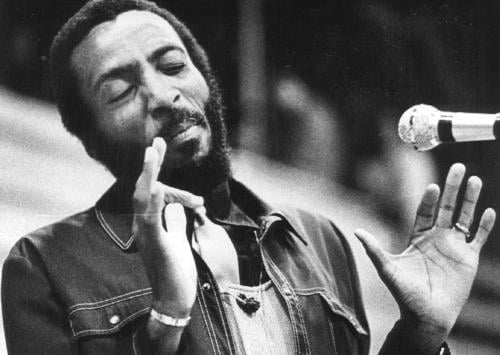
Panel at University of Chicago Law School discuss ending capital punishment, part 2
Feb. 19, 1965 A panel at University of Chicago Law School discuss ending capital punishment (tapes A and B) and with Dick Gregory (tape C). Includes presentations by Father James G. Jones and Norval Morris. (Part 2 of 3)
-
Abram Chayes discusses the mining of the Nicaraguan Harbor by U.S. Naval forces
May. 16, 1985 Abram Chayes, Professor of International Law at Harvard University, discusses the United States’ foreign relations with Nicaragua and the International Court of Justice, also known as the World Court.
-
Bill Adelman, Paul Avrich, Carolyn Ashbaugh, and Bill Neebe discuss the Haymarket Square Riot
May. 2, 1986 Commemorating the centennial of the Haymarket Square Riot, or Haymarket Affair, are authors and historians Bill Adelman, Paul Avrich, Carolyn Ashbaugh, and the grandson of Haymarket defendant Oscar Neebe, Bill Neebe. The interveiwees create a timeline of the events leading up to the Haymarket Riot including the German immigrants living situations, unions and strikes, police brutality and corruption. The group also lays out the events from May 1st to May 5th and then the following corrupt trials.
-
Newton Minow discusses broadcasting
Jan. 11, 1964 Interviewing Newton Minow, Chicago lawyer and chairman of the Federal Communications Commission. He discusses broadcasting as a public service and spends a great deal of time on the history of commercials and how they changed over time.