Listen to New Voices on Studs Terkel our partnership with 826CHI-here! Read the Story


Showing 1 - 10 of 22 results
-
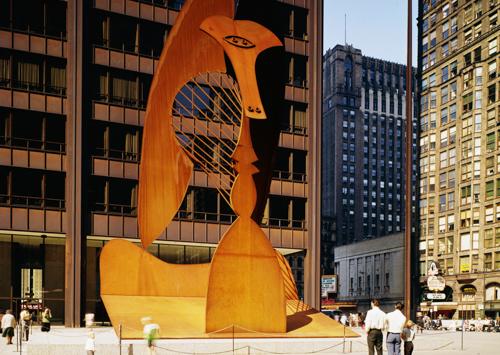
Studs Terkel comments and presents Picasso unveiling ceremony
Aug. 15, 1967 Studs Terkel presents the unveiling of the Chicago Picasso on August 15th, 1967, asking bystanders for their opinion on the new sculpture.
-
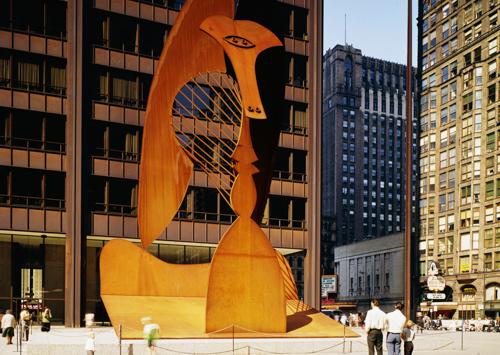
Studs Terkel comments and presents Picasso unveiling ceremony on its 30th anniversary
Aug. 15, 1997 Presenting at the Picasso unveiling: dedication ceremony and comments 30th anniversary.
-

Panel of women recipients discuss being welfare recipients in Chicago
Jan. 1, 1969 A panel of women discuss raising their families while getting welfare assistance and living in poverty in Chicago.
-
Studs Terkel comments and presents Fiesta: a Chicago Happening ; part 1
Aug. 23, 1969 Terkel interviews Jose "Cha Cha" Jiménez during a social gathering. He also interviews Brian McCutcheon of the 43rd Ward.
-
Maria Cerda and Dick Simpson discuss Chicago: An Agenda for Change, with a focus on education ; part 3
Oct. 8, 1974 Chicago: An Agenda for Change. Part 3 of 5. Maria Cerda is a former Chicago Board of Education member.
-
Sergeant Garland Davis discusses his profession ; part 2
Even though his life was threatened, when a young man told him his goal in life was to see Davis dead, Sergeant Garland Davis, continues to work in the youth crime division, in the hopes by be-friending the young people, they will do something positive with their lives. Davis also adds that the parents of these young people, along with the communities in which they live, play parts in the youths' behavior.
-
Sergeant Garland Davis discusses his profession ; part 1
An officer with the Chicago department, Sergeant Garland Davis, talks about his presence in the community, in hoping that some of the young people he works with see him as a friend and not solely as a cop. Davis also talks about the priority being helping the youth before their lives take a wrong turn into a life of crime.
-
Dick Simpson discusses his book, Strategies for Change: How to Make the American Political Dream Work"
Sep. 27, 1976 Alderman Dick Simpson discusses his book, "Strategies for Change: How to Make the American Political Dream Work," and his work as the 44th Ward Alderman. He explains the assembly system that now runs the 44th Ward, where members are able to bind him to a vote if the majority decides. He also discusses how the assembly has already changed redlining, the school system, truck load limits, and high rise development within their neighborhood.
-
-
Dennis Kucinich discusses his beliefs and campaign platforms
Jun. 9, 1995 Former Mayor of Cleveland, Ohio, Dennis Kucinich, explained that when he ran for office, he believed it was important to take a stand and to fight for what you believe in. Kucinich believed people had the right to good public education for their children, along with lower costs for their utilities and their health insurance. Kucinich also believed people wanted good jobs and if everyone did the right thing, they would be rewarded..