Listen to New Voices on Studs Terkel our partnership with 826CHI-here! Read the Story


Showing 1 - 10 of 242 results
-
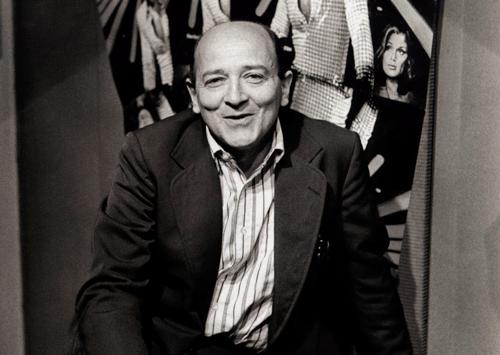
A London cab driver discusses traffic and Karel Reisz talks about making movies
1962 While riding in a cab, the driver talks about the narrow streets of London. He also talks about the traffic and why he believes traffic will only get worse in the future. Producer and director Karel Reisz explains how making films in England and America differ from how films are made Italy. Reisz also talks about the freedom of a director when making a film. With regards to viewership, according to Reisz, films are in 2nd place behind TV.
-

American Conservatory Theater actors talk with Studs Terkel ; part 1
1967 Terkel interviews actors from the American Conservatory Theater: Richard A. Dysart, Robin Gammell, Rene Auberjonois, Janis Young, and William Ball. This is an interview done in two parts.
-
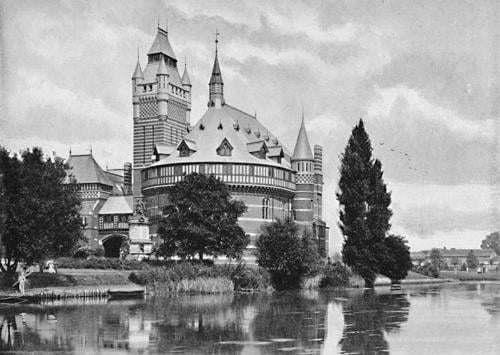
Studs Terkel in Stratford-Upon-Avon. At the National Theatre and at the Falcon Hotel ; part 1
1962 Studs Terkel heads to the British town of Stratford-upon-Avon (the birthplace of William Shakespeare) intending to interview Sir John Gielgud, and getting a few words before Studs realizes that Sir John is not intending to be interviewed. He speaks instead to other members of the company. Then he meets Mr. and Mrs. Lawrence in the Falcon Hotel.
-
-
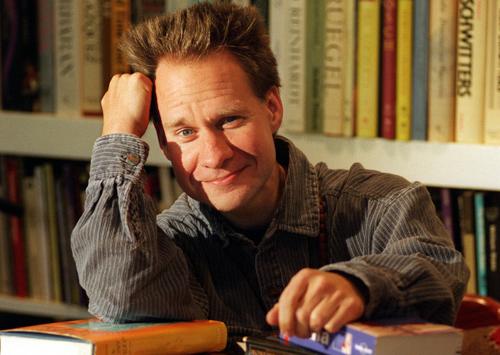
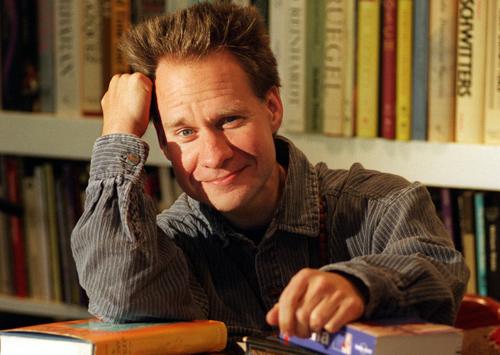
Peter Sellars discusses his production of "The Merchant of Venice"
Sep. 14, 1994 Peter Sellars talks about his production of "The Merchant of Venice." Peter Sellars also compares Los Angeles California to the world of "The Merchant of Venice". Sellars also discusses the history of the Jewish people, immigrants, the ghetto, and race relations.
-
Herman Shumlin discusses his work in theater ; part 1
Dec. 12, 1964 Studs Terkel talks with theater producer Herman Shumlin about Shumlin’s work in theater and some of the plays he has produced. Audio clips from the play “The Little Foxes” and the opera “Regina” are played. This is the first part of the interview with Shumlin.
-
Herman Shumlin discusses his work in theater ; part 2
Dec. 12, 1964 Studs Terkel talks with theater producer Herman Shumlin about Shumlin’s work in theater and some of the plays he has produced. This is the final part of the interview with Shumlin.
-
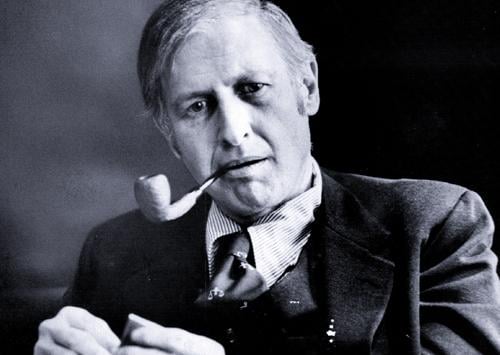
Charles E. Silberman and his wife Arlene Silberman discuss education
Sep. 15, 1970 Charles E. Silberman and his wife Arlene Silberman discuss education and Charles Silberman's book "Crisis in the Classroom". Includes a clip of Studs Terkel interviewing a student.
-
Douglas Turner Ward discusses the play “The River Niger”
Dec. 4, 1973 Theater director Douglas Turner Ward talks with Studs Terkel about the play "The River Niger." Further discussion is had about the play's writer, Joseph Walker, as well as the story and characters, and the play's connection to the African-American community.
-
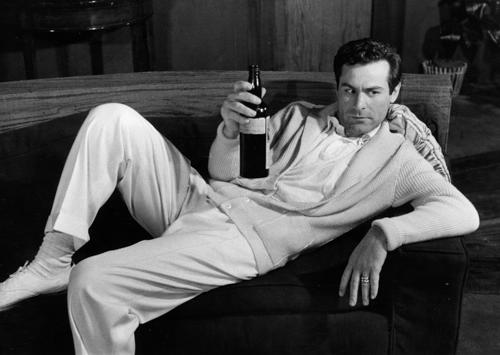
Sam Wanamaker discusses the theater ; part 1
Dec. 4, 1964 Sam Wanamaker talks about the curtain of a stage being a barrier between the set and the audience. Wanaker says that with theater today, there are more theaters in the round and more thrusts of ramps built into the audience, so that the audience can feel they are a part of the production of the play.