Main navigation

  • Home
  • Explore
  • Interact
      • Clips Explore themed playlists of audio clips from the Archive.
      • Reuse Listen to creative reuses of Studs’ interviews.
      • Remix Combine audio from the Archive to create entirely new works.
  • Podcast
  • Classroom
  • Donate

00 / 00

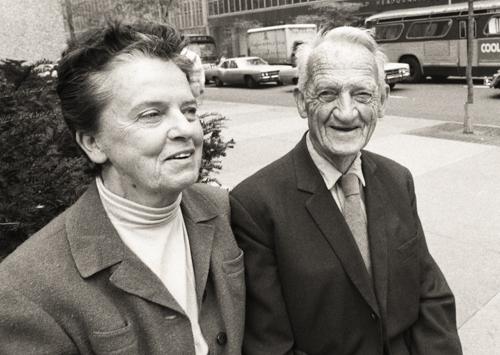
Discussing phonetics and interviewing Alva Davis, Raven McDavid and Lee Pederson ; part 1

BROADCAST: 1963 | DURATION: 01:09:31

Details

Broadcast Date
1963

Physical Format
1 sound tape reel (ca. 60 min.) : 10 1/2 in., 1 sound tape reel (ca. 60 min.) : 7 in.

Duration
1 hour, 9 minutes, 31 seconds

Digital Format
WAV

Ownership
The Chicago History Museum

Language
English

Topics

Education

Tags

Davis, Alva McDavid, Raven. Pederson, Lee. Phonetics Audiotapes. Radio programs. WFMT (Radio station : Chicago, Ill.)

Related Programs

Jonathon Kozol discusses his book "Free schools" and education

Apr. 11, 1972

Interviewing Abram Loft ; part 1

Jan. 15, 1987

A panel of producers and directors discuss film education ; part 1

Terkel comments and presents musical performance of the Northern Illinois University jazz ensemble

Jun. 16, 1982

Joseph A. Fernandez in conversation with Studs Terkel

Jan. 28, 1993

John Bremer discusses educational innovation, "The School Without Walls: Philadelphia's Parkway Program"

Jan. 25, 1971

Major Support Provided By
The Becca Kopf Memorial Circle of Friends
WFMT Radio Network & Chicago History Museum

This site is being managed by WFMT in partnership with the Chicago History Museum.

Library of Congress

In-kind digitization services of the Studs Terkel Radio Archive are provided by the Library of Congress.

National Endowment for the Humanities

The Studs Terkel Radio Archive has been made possible in part by a major grant from the National Endowment for the Humanities: Exploring the human endeavor.

Studs Terkel Radio Archive

All Programs About The Archive About Studs Supporters Contact

©2026 WFMT Radio Network | Site by Jell Creative

Any views, findings, conclusions, or recommendations expressed in this web resource do not necessarily represent those of the National Endowment for the Humanities.