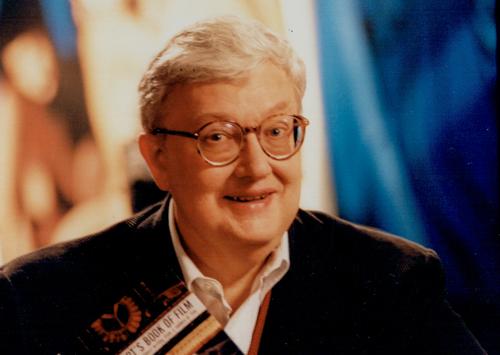
00 / 00 Discussing Japanese cinema with Donald Richie BROADCAST: May. 3, 1979 | DURATION: 00:52:14 Synopsis Discussing Japanese cinema with Donald Richie. Details Broadcast Date May. 3, 1979 Physical Format 1 sound tape reel (ca. 52.11 min.) : 10 1/2 in. Duration 52 minutes, 14 seconds Digital Format WAV Ownership The Chicago History Museum Language English Topics Travel & Culture - General Film People Authors, Writers Tags WFMT (Radio station : Chicago, Ill.) Richie, Donald Motion pictures--Japan. Japan--Intellectual life--20th century. Audiotapes. Radio programs. Related Programs Muriel Gardiner discusses her books "Code Name Mary" and "The Deadly Innocents" Nov. 26, 1984 Roger Ebert discusses old movies with Studs Terkel ; part 1 Dec. 3, 1996 Discussing British and American mores with Malcolm Muggeridge Oct. 16, 1964 Willard Van Dyke discusses American history and its effects on the film, photography, and the arts Apr. 3, 1985 Talking film, with Molly Haskell and Andrew Sarris Feb. 15, 1980 Maggie Renzi and John Sayles discuss the movie "Return of the Seacaucus Seven" Feb. 1, 1981