

-
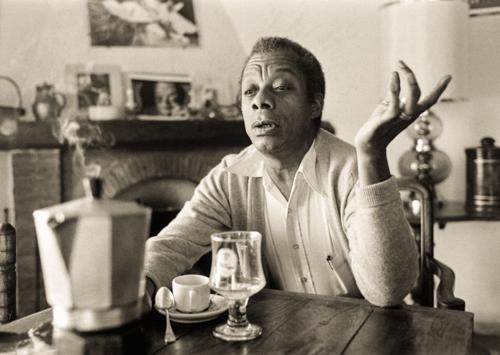
James Baldwin discusses his book "Another Country" and his travels through Africa
Sep. 29, 1962 James Baldwin discusses his book "Another Country" and his trip to Africa. Mr.Baldwin and Studs speak about his place in social reform and his fight for civil rights for all.
-
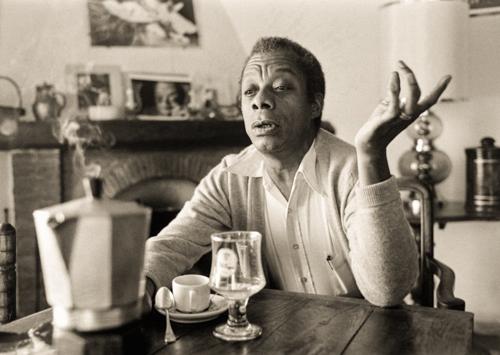
James Baldwin discusses his book," Nobody knows my name: more notes of a native son"
Jul. 15, 1961 Interviewing novelist and fighter for civil rights for all, James Baldwin and discussion on the book "Nobody Knows My Name more notes of a native son". They discuss the book and Mr. Baldwin's political beliefs and his work towards change in the civil rights movement.
-

James Baldwin discusses his book "The Devil Finds Work"
Apr. 29, 1976 Studs interviews novelist and fighter for civil rights for all James Baldwin, and discusses the book "The Devil Finds work" They discuss Mr. Baldwin's political beliefs and his work towards change in the civil rights movement.
-
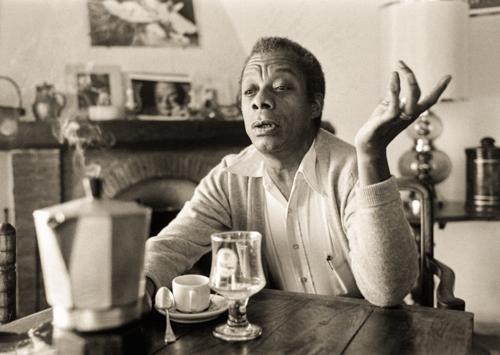
James Baldwin discusses his book "The Evidence of Things Not Seen"
Nov. 22, 1985 John Baldwin talks about his book "The Evidence of Things Not Seen" in which discusses the Wayne Williams Atlanta child murders of 1979-1981. This record is part of the Studs Terkel Almanac.
-
Interview with the Kuumba Theater group
Dec. 5, 1980 Discussing the production of James Baldwin's play "The Amen corner" with the Kuumba theater group.
-
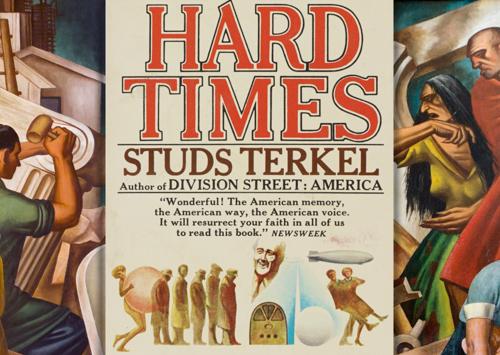
Terkel comments and presents "Hard Times: an oral history of the great depression"; Program 9; Part 1
1971 Presenting "Hard Times: an oral history of the great depression": "Concerning The New Deal" with Ed Paulsen, Hank Oettinger, Gardner C. Means, Raymond Moley, Alf Landon, James A. Farley, C. B. Baldwin, Andy Kull, and John Beecher (program IX).
-
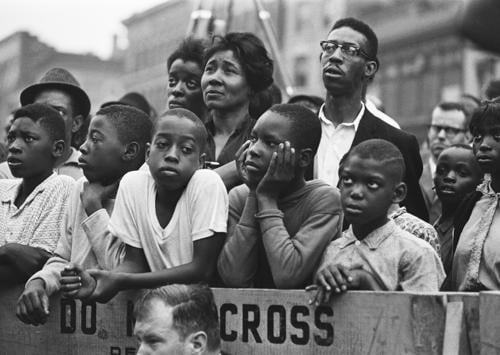
Studs Terkel interviews Professor Charles V. Hamilton on his book written with Stokely Carmichael entitled "Black Power: Politics of Liberation in America" ; part 1
Nov. 21, 1967 Using the backdrop of James Baldwin's "Nobody Knows My Name" and Baldwin's feelings that Blacks were ashamed of where they came from, Terkel interviews Professor and Chairman of the Political Science Department of Roosevelt University on his book coauthored with Stokely Carmichael entitled" Black Power: Politics of Liberation in America". Hamilton states that Blacks were taught to hate themselves and leave school believing that. Institutional racism and the deliberate oppression it creates, holds blacks back. Blacks are left out of crucial decision making processes that concern them.
-
Studs Terkel interviews Professor Charles V. Hamilton on his book written with Stokely Carmichael entitled "Black Power: Politics of Liberation in America" ; part 2
Nov. 21, 1967 Using the backdrop of James Baldwin's "Nobody Knows My Name" and Baldwin's feelings that Blacks were ashamed of where they came from, Terkel interviews Professor and Chairman of the Political Science Department of Roosevelt University on his book coauthored with Stokely Carmichael entitled" Black Power: Politics of Liberation in America". Hamilton states that Blacks were taught to hate themselves and leave school believing that. Institutional racism and the deliberate oppression it creates, holds blacks back. Blacks are left out of crucial decision making processes that concern them.
-
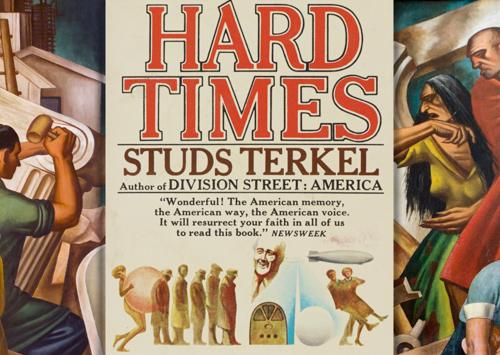
Terkel comments and presents "Hard Times: an Oral History of the Great Depression", Chapter 9
1971 Presenting "Hard Times: an Oral History of the Great Depression", Chapter 9: Concerning The New Deal. Ed Paulsen talks about conflicting feelings regarding the New Deal and how the government seemed more present in daily life. Hank Oettinger remembers how his town celebrated after the first round of relief checks were received. Gardner C. Means explains how the New Deal was created to help save the country.
-
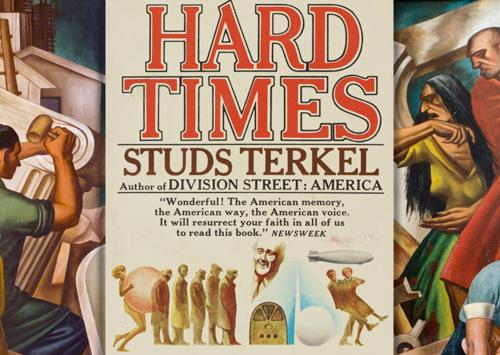
Terkel comments and presents "Hard Times: an Oral History of the Great Depression", Chapter 9
1971 Presenting "Hard Times: an Oral History of the Great Depression", Chapter 9: Concerning The New Deal. Ed Paulsen talks about conflicting feelings regarding the New Deal and how the government seemed more present in daily life. Hank Oettinger remembers how his town celebrated after the first round of relief checks were received. Gardner C. Means explains how the New Deal was created to help save the country.
-
Larry Arrick, Tom Earhart and James Patterson discuss their upcoming performance at the Playwrights Theater ; part 2
Dec. 14, 1961 Theater director Larry Arrick and actors Tom Earhart and James Patterson discuss the one-act play Zoo Story written by Tony award-winning playwright Edward Albee.
-
Dan Wakefield discusses his book “Between the Lines”
1967 Writer Dan Wakefield discusses his book “Between the Lines,” his relationship with C. Wright Mills, and his career. Wakefield reads the epigraph from his book.
-
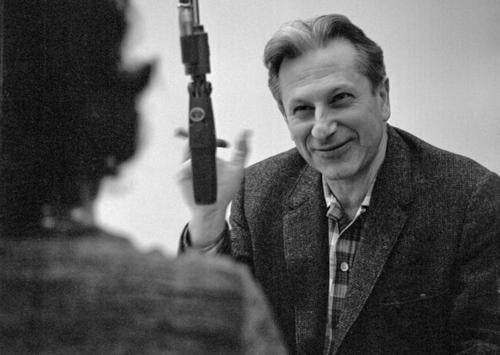
Studs Terkel discusses his life with Dorothy Hajek and Sylvia McDonnel of Rosary College
Mar. 21, 1963 Dorothy Hajek and Sylvia McDonnel discuss Studs Terkel's life. Includes Studs talking about his life, early career, and opinions on American society. Cuts off at 31:38 to 31:50.
-
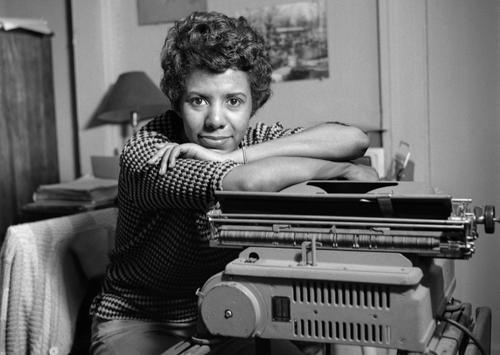
Lorraine Hansberry discusses her play "A Raisin in the Sun"
May. 12, 1959 Playwright Lorraine Hansberry discusses her play "A Raisin in the Sun" and theater in general; last 10 minutes is a reading of "Chicago: South Side Summers" from "To Be Young, Gifted, and Black." Orginal air date is 05/12/1959
-

Margie Adam plays and discusses her music
Jun. 26, 1980 Margie Adam, singer, songwriter, pianist and activist discusses her latest album (1980) Naked Keys which features her solo piano music.