

-

Don McLean discusses his career as a singer-songwriter
1979 American singer-songwriter Don McLean discusses his career and events in the 1960s and 1970s that have influenced his music.
-
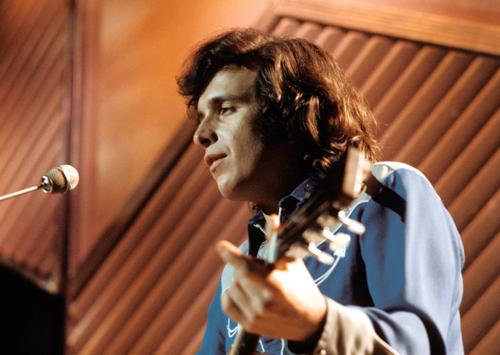
Don McLean discusses his career and his music
1980 Don McLean discusses his career and his music. Don McLean discusses his influences, life experiences, and his songwriting.
-
Don Luce talks with Studs Terkel
Feb. 1, 1973 Terkel comments and presents Don Luce reading poetry
-
-
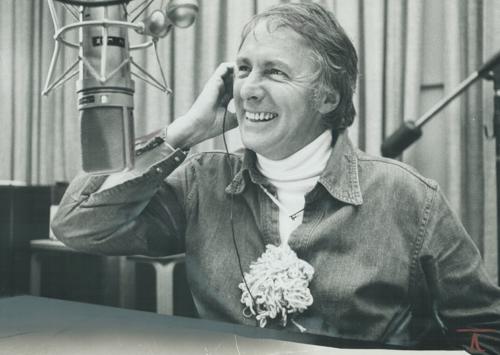
Don Gold discusses his book "Bellevue"
Aug. 15, 1975 Don Gold, writer and editor, discusses his book "Bellevue: A Documentary of a Large Metropolitan Hospital." He recounts his time spent following doctors and nurses in Bellevue in New York City and discusses how healthcare has become depersonalized. The conversation involves patients who are dealing with mental illnesses, abortions, attempted suicide and the terminally ill. The interview includes reading of passages from his book.
-
Dolores Huerta discusses workers' rights
Apr. 16, 1975 Activist Dolores Huerta of United Farm Workers discusses farm laborers and immigrant rights; includes excerpt of Cesar Chavez, excerpt from Viva La Causa, and interview with Roberto Acuna.
-
-
Doan Hong Hai and Don Luce discuss Vietnam
Mar. 31, 1972 Anti-war activist Don Luce and Doan Hong Hai, a visiting student from a village near Saigon, talk about the bombing and defoliation of Vietnam.*Please note: some sections have been edited out from the original recording due to copyright considerations
-
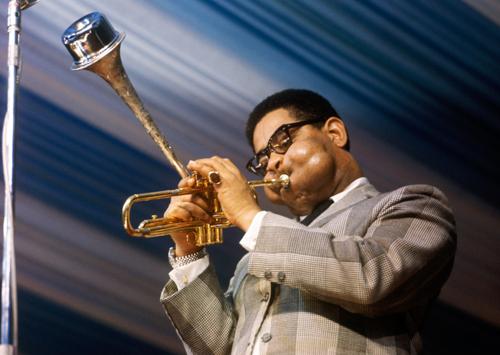
Dizzy Gillespie discusses the art of jazz ; part 2
Mar. 30, 1961 Part 2 of the program continues with Dizzy Gillespie discovering the following: his jazz style; his interactions with other musicians; and his latin musical influences. The following Gillespie musical excerpts are played: "Tin Tin Deo"; "La Lorraine"; and an musical piece (with an undisclosed title) is played to end the program.
-
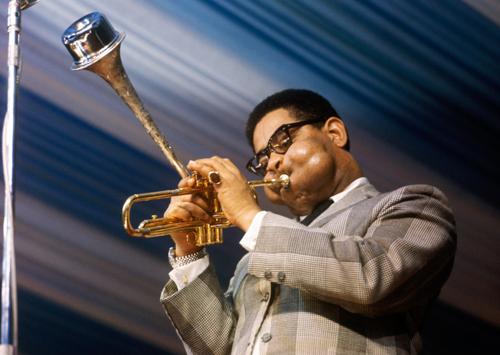
Dizzy Gillespie discusses the art of jazz ; part 1
Mar. 30, 1961 Part 1 of this program begins with Studs Terkel reading an excerpt from the book "Giants of Jazz" , which describes Dizzy Gillespie's early life. Gillespie discusses the following: the state of jazz; his fellow musicians; jazz contributors; jazz fundamentals; and his tours abroad. Gillespie's "Groovin' High" is played towards the end of this part of the program.
-
Disscussing the Balalaika and the Cimbalon with musician Alexander Eppler
Mar. 30, 1984 Eppler plays the cimbalom, an instrument descended from the hand-held hammered dulcimer found in Eastern Europe.
-
-
-
-