Listen to New Voices on Studs Terkel our partnership with 826CHI-here! Read the Story


Showing 166 - 180 of 182 results
-
Clifford Durr and Virginia Durr discuss the Civil Rights Movement, part 2
1965 Alabama lawyer Clifford Durr and his wife, civil rights activist Virginia Durr, discuss the Civil Rights Movement, part 2. They talk about segregation, civil rights activist Aubrey Willis Williams, former Alabama attorney general Richmond Flowers, and representing dissidents as a lawyer.
-
Clifford Durr and Virginia Durr discuss the Civil Rights Movement, part 1
1965 Alabama lawyer Clifford Durr and his wife, civil rights activist Virginia Durr, discuss the Civil Rights Movement, part 1 of 3. Discussion topics include the Selma March, Rosa Parks, Montgomery, Alabama, and the "white south."
-
Clifford Burke, Marilyn Nelson and Earl Doty discuss young people ; part 1
1968 Talking to Earl Doty, Clifford Burke, Marilyn Nelson, and West Side kids after the 1968 Chicago Riots. Clifford Burke had already retired from the CTA. As president of the Mile Square Federation, he talks about the youth community of the West side of Chicago, and the need for recreation opportunities for them. Marilyn Nelson is a student from California working in west-side Chicago as an advocate for the community. Studs also talks to Earl Doty, while riding in a car, about the neighborhood youth. There are sounds of hydrants being opened and the children playing.
-
Charles Eames discusses his life of travel and his study of design and architecture, part 1
Oct. 1, 1965 Charles Eames, an architect, designer, artist, filmmaker and student of human nature, talks with Studs about his years of travel in India and Europe. He discusses studying architecture and working as an architect and the nature of his film making. (Part 1 of 2)
-

Celia Morris Eckhardt reads from and discusses the book "Fanny Wright: Rebel in America"
May. 23, 1984 Discussing the book "Fanny Wright: rebel in America" with the author Celia Morris Eckhardt.
-
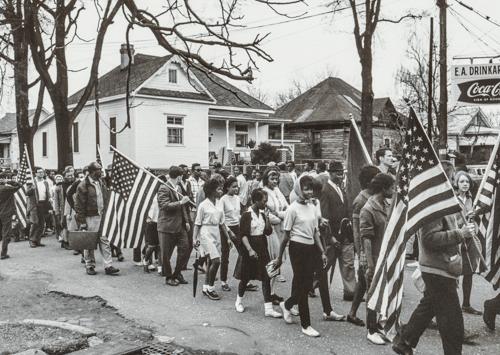
Both Kathy [no last name] and John Beecher discuss their feelings about the South ; part 4
Apr. 1, 1965 Content Warning: This conversation includes racially and/or culturally derogatory language and/or negative depictions of Black and Indigenous people of color, women, and LGBTQI+ individuals. Rather than remove this content, we present it in the context of twentieth-century social history to acknowledge and learn from its impact and to inspire awareness and discussion. After hearing Martin Luther King, Jr.
-
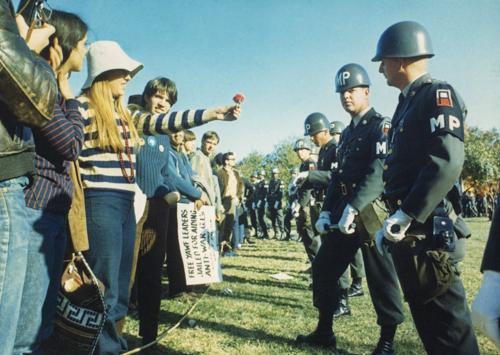
Bob and Joan Ericksen discuss the literary work of Peter Weiss and environmental ecology
1967 Bob and Joan Ericksen, both educators, artists, and environmental ecologists, discuss the literary work of Peter Weiss' "I Come Out of My Hiding Place" and environmental ecology. Excerpt of Peter Weiss reading from "I Come Out of My Hiding Place." The book speaks of why he writes and why he pursues his art (unknown source). The interview ends with a reading by Studs of an excerpt fro, Gustav Meyrink's "The Green Face."
-
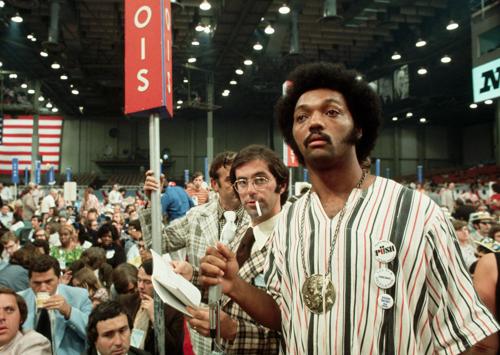
Barbara Reynolds discusses her book "Jesse Jackson, the Man, the Movement, the Myth"
May. 27, 1975 Discussing "Jesse Jackson, the Man, the Movement, the Myth" and interviewing the author Barbara Reynolds.
-
Auburn University student discusses the Civil Rights march on campus and his involvement
1965 Studs interviews a white student on the Auburn University campus after a Civil Rights march. The student explains that he is there to be sure a white face is present and to stand up for democracy. He describes the event and speaks to his family background. The student expresses the experience of black students on the integrated campus and how it has changed. (Tape 6, part 2)
-
Arna Bontemps and Jack Conroy discuss their book "Any Place But Here"
1960 Discussing the book "Any Place But Here" and interviewing the authors Arna Bontemps and Jack Conroy.Content Warning: This conversation has the presence of outdated, biased, or offensive language. Rather than remove this content, we present it in the context of twentieth-century social history to acknowledge and learn from its impact and to inspire awareness and discussion.
-
Anne Braden discusses her experiences during the Civil Rights Movement
Apr. 30, 1979 Journalist and author of “The Wall Between,” Anne Braden, shares moments from her life as a civil rights worker in Louisville, KY.
-
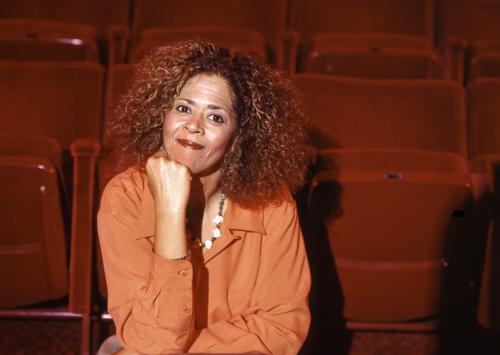
Anna Deavere Smith discusses her career
May. 4, 1995 Anna Deavere Smith discusses and demonstrates her unique character portrayals from her works "Fires in the Mirror" and "Twilight: Los Angeles, 1992."
-
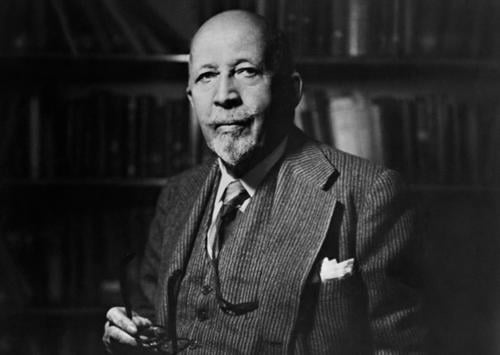
Allison Davis anthropologist, writer and educator, discusses his book "Leadership, Love and Aggression"
Sep. 26, 1983 Discussing the book "Leadership, love and aggression. As the twig is bent: the psychological factors in the making of four black leaders - Frederick Douglas, W.E.B. Du Bois, Richard Wright and Martin Luther King Jr." with the anthropologist-author Allison Davis.
-
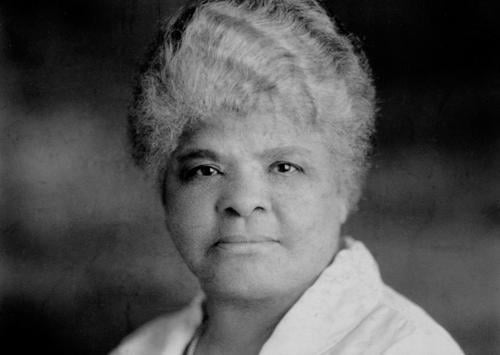
Alfreda Wells discusses her mother, Ida B. Wells-Barnett and her book "Crusade for Justice"
Sep. 3, 1971 Alfreda Wells, the youngest child of Ida B. Wells-Barnett, talks about her mother's life and work as an investigative journalist and strong champion of civil and women's rights. This version does not have music.
-