Listen to New Voices on Studs Terkel our partnership with 826CHI-here! Read the Story


Showing 61 - 75 of 182 results
-
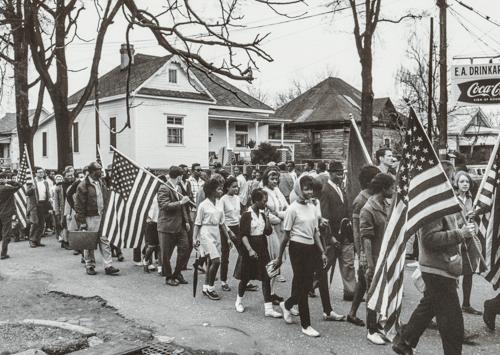
Margaret Long talks with Studs Terkel
1965 Margaret Long discusses the relationship between African Americans and white southerners that live in Montgomery, Alabama. She discusses the reactions to the changes in civil rights laws.
-
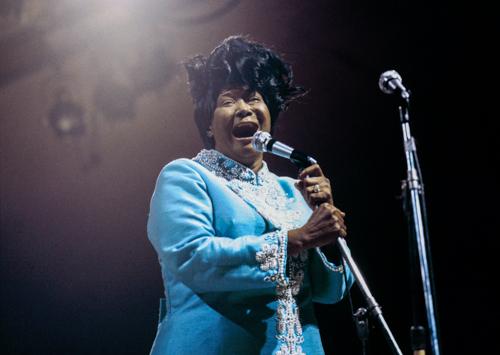
Mahalia Jackson discusses the civil rights movement and the upcoming freedom rally
May. 17, 1963 Studs Terkel interviews gospel vocalist Mahalia Jackson. Jackson discusses the freedom rally that will be taking place at McCormick's Place in Chicago, IL.
-

Maggie Kuhn discusses ageism and old people power
Jun. 28, 1974 Interviewing Maggie Kuhn of the Gray Panthers about the roles of senior citizens and the welfare of the aged in the United States. Kuhn talks about how society thinks once a person has retired, he or she is set aside or put to pasture. To the contrary, older people have a lot to offer with their wisdom, their knowledge and their experiences, says Kuhn.
-
Lillian Smith discusses reactions to her books and writings
Lillian Smith explores the responses she received from her books that address racial prejudice and discrimination, especially in the south.
-
Lillian Smith discusses her books; part 3
Nov. 11, 1961 Content Warning: This conversation includes racially and/or culturally derogatory language and/or negative depictions of Black and Indigenous people of color, women, and LGBTQI+ individuals. Rather than remove this content, we present it in the context of twentieth-century social history to acknowledge and learn from its impact and to inspire awareness and discussion. Lillian's Smith first book was "Strange Fruit." Smith said people that were reading that book covered up the book jacket so no one could see the title of the book.
-
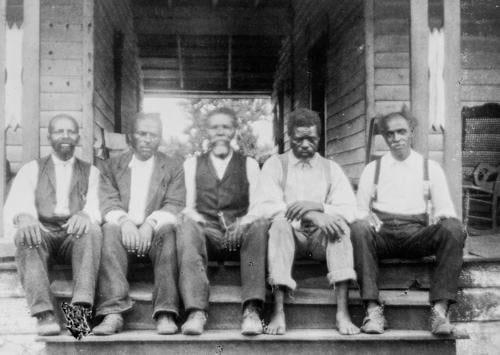
Lerone Bennett, Jr., John Hope Franklin and Hoyt Fuller discuss the book "Distortions of Negro History"
Jun. 3, 1965 Discussing "Distortions of Negro History" and interviewing Lerone Bennett, Jr., John Hope Franklin and Hoyt Fuller.
-
Leon Depres discusses discrimination, corruption, and segregation in Chicago
Feb. 3, 1975 Interviewing lawyer and alderman, Leon Despres. Depres discusses Richard Daley’s time as mayor of Chicago and political events during his terms. Content Warning: This conversation includes racially and/or culturally derogatory language and/or negative depictions of Black and Indigenous people of color, women, and LGBTQI+ individuals. Rather than remove this content, we present it in the context of twentieth-century social history to acknowledge and learn from its impact and to inspire awareness and discussion.
-
Lani Guinier discusses her book "Tyranny of the Majority"
Apr. 7, 1994 *Please note: some sections have been edited out from the original recording due to copyright considerations
-
LaDonna Harris discusses Native American history and her work with Americans for Indian Opportunity
Oct. 2, 1992 LaDonna Harris, Comanche social activist and politician, talks about Native American history and her work towards reforming the view of Native Americans. She talks about expanding the education about Native American cultures and her work with Americans for Indian Opportunity. Topics such as Columbus, Trail of Tears, religion, and civil rights are discussed.
-
John Hope Franklin discusses racial inequality in America
Mar. 15, 1979 John Hope Franklin, historian, discusses his life and the racial inequality he witnessed. He also talks about John Hope and W. E. B. Du Bois. Dr. Franklin also talks about his Jefferson Lectures, Thomas Jefferson, and slavery.
-
John D. Weaver discusses his book "The Brownsville Raid"
Apr. 6, 1971 Events not recorded in history books is what prompted John D. Weaver to write "The Brownsville Raid: The Story of America's Black Dreyfus Affair". Weaver had heard the story of Black Army soldiers causing a raucous, when they were actually set up. Without even being granted a trial, President Theodore Roosevelt, dismissed those soldiers from the United States Army, Weaver explained.
-
John Bernard discusses his life, politics and his work with the Farmer Labor Party
Aug. 1, 1977 Interviewing labor organizer, civil rights activist, and former Congressman John Bernard. Bernard was elected as a Farmer-Labor candidate to the U.S. House of Representatives and served from 1937-1939.
-
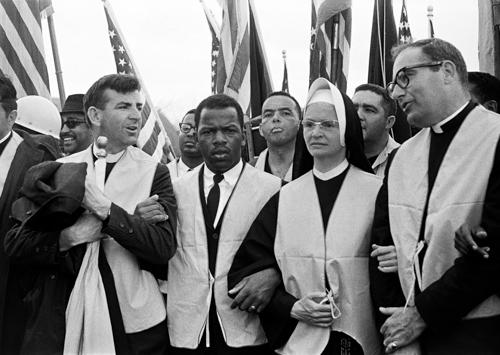
John A. McDermott and Sister Mary Peter discuss Catholic Church's Participation in Civil Rights Movement
Sep. 15, 1965 John A. McDermott and Sister Mary Peters discuss Catholic Church's Participation in Civil Rights Movement. Includes interview with unknown Catholic man opposed to nuns' and priests' involvement. Includes song "It Isn't Nice" by Judy Collins.
-
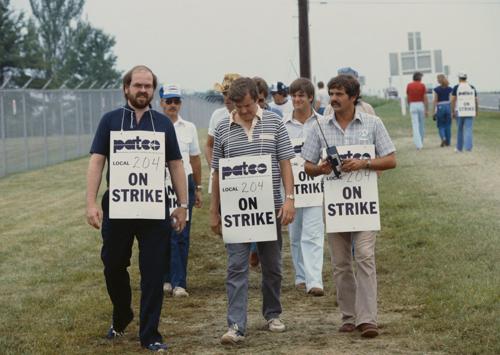
Jim Paulei of PATCO discusses the air traffic controller's strike and describes a day on the job
Oct. 5, 1981 Mr. Paulei talks with Studs about the air traffic controllers strike in 1980 and subsequent firing of over 1000 air traffic controllers. They discuss what a normal shift as an air traffic controller consists of, and the unions reasons for the strike in 1980.
-
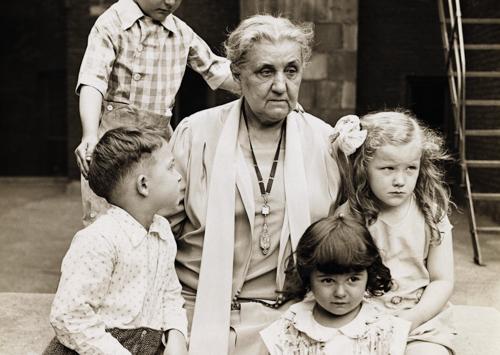
Jessie F. [Florence] Binford talks with Studs Terkel about Jane Addams
Jun. 13, 1960 Ms. Binford talks with Studs about Jane Addams life and her dedication to social service with the women and children of Chicago. Ms.Binford discusses the creation of Hull House and the associated buildings and how deeply in need they were of the help.