

-

Presenting "In Africa" ; part 1
Studs Terkel recounts a trip to Africa.
-
Playwright August Wilson, actor James Earl Jones, and director Lloyd Richards discuss their play "Fences"
Feb. 7, 1986 The Goodman Theatre cast of the play “Fences” discuss some of the major themes from the play, including the African-American experience and race relations, particularly in Major League Baseball.
-
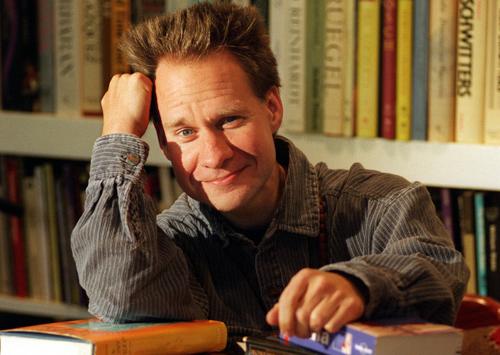
Peter Sellars discusses his production of "The Merchant of Venice"
Sep. 14, 1994 Peter Sellars talks about his production of "The Merchant of Venice." Peter Sellars also compares Los Angeles California to the world of "The Merchant of Venice". Sellars also discusses the history of the Jewish people, immigrants, the ghetto, and race relations.
-
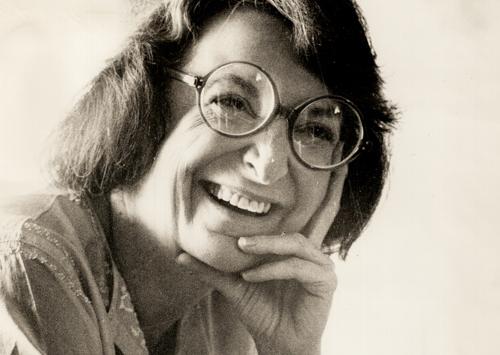
Pauline Kael discusses her book "Kiss Kiss Bang Bang" and her career, part 2
1966 Part 2 of celebrated fim critic Pauline Kael discussing her book "Kiss Kiss Bang Bang" as well as Laurence Olivier, Sidney Poitier, safe roles, older actors, distortion of women's contributions, and Lillian Hellman's frustrations.
-
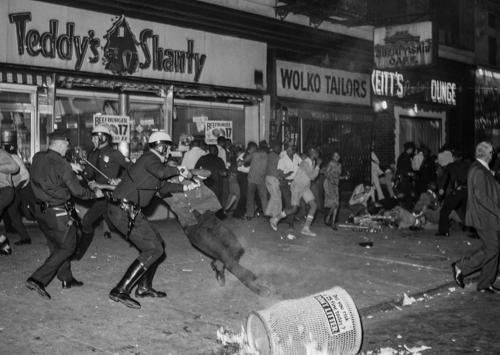
Paul Chevigny discusses his book "Police Power"
According to Paul Chevigny’s book, “Police Power: Police Abuses in New York," disobeying the police is what precipitated violence. Chevigny explained some of the police felt if they had to deal with the undesirables, whether they were criminals or not, anything goes on the street to get these guys and anything goes in court to make a conviction stick.
-
Ouida and Paul Lindsey discuss their book "Breaking the Bonds of Racism"
Sep. 30, 1974 Public housing is a major topic covered in Ouida and Paula Lindsey's book, "Breaking the Bonds of Racism." Ouida Lindsey tearfully explains that white people can't always understand Black people's troubles.Content Warning: This conversation includes racially and/or culturally derogatory language and/or negative depictions of Black and Indigenous people of color, women, and LGBTQI+ individuals. Rather than remove this content, we present it in the context of twentieth-century social history to acknowledge and learn from its impact and to inspire awareness and discussion.
-
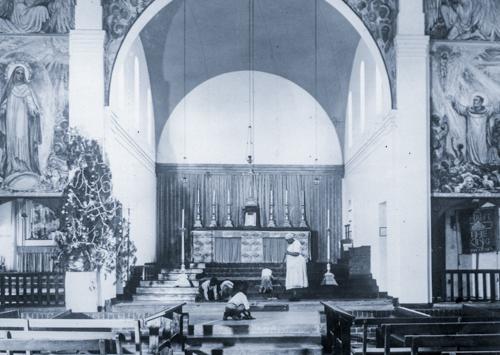
On Location in South Africa, Studs speaks with two university students about race relations. Also speaking with members of African Music and Drama Association about upcoming performances ; part 1
1963 Studs interviews two Natal University students Richard and Nathan they discuss race relations (apartheid)in South Africa. Linda Mhjongo actress and alumni of African Music and Drama Association (AMDA) talks to Studs about returning to Johannesburg from London. Gideon, musical director of (AMDA) talks about and plays the music of their current production "Spinnono". Lancelot, a 14 year old boy plays the piano. A young lady, Rose sings a couple of short songs from "Spinnono". Connie Mombasa director of AMDA production "Men without shadows" John Paul Sartre, talks about the play.
-
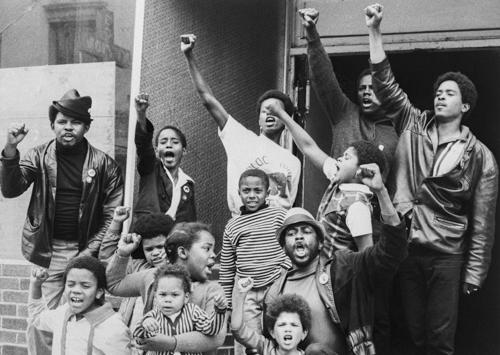
Nathan Wright discusses Black power ; part 2
1967 Discussing the book "Black Power and Urban Unrest" and interviewing the author Nathan Wright.
-
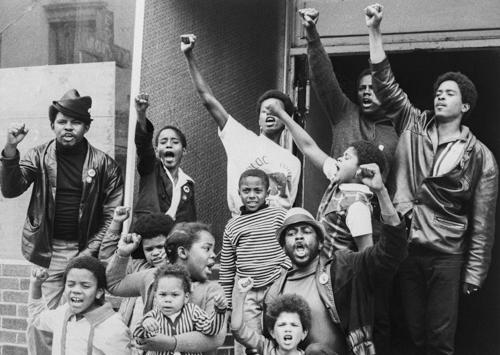
Nathan Wright discusses Black power ; part 1
1967 Author and scholar Nathan Wright discusses black power and identity and his book, “Black Power and Urban Unrest.” Wright talks about the importance of identity in the Black community; leadership; violence and poverty in urban Black communities; the importance of higher education for Blacks; and the nature of power and how its creative use can bring about social change.
-
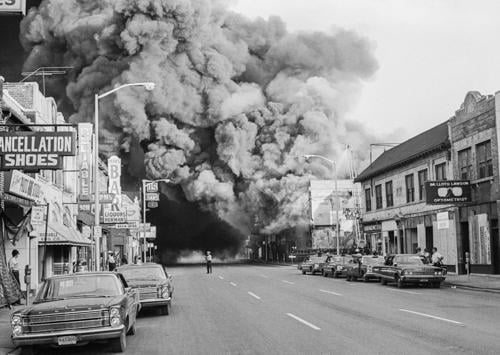
Nancy Milio reads from and discusses her book "9226 Kercheval"
Jun. 13, 1970 Nancy Milio's book, "9226 Kercheval: The Storefront That Did Not Burn," is about community health services offered in a ghetto on the south side of Detroit, Michigan. As a nurse, Milio knew how important it was to offer quality health services to poor and uneducated individuals. With their real names changed, Milio talks about her experiences with Mrs. Watkins, Johhnie West and others at the center.
-
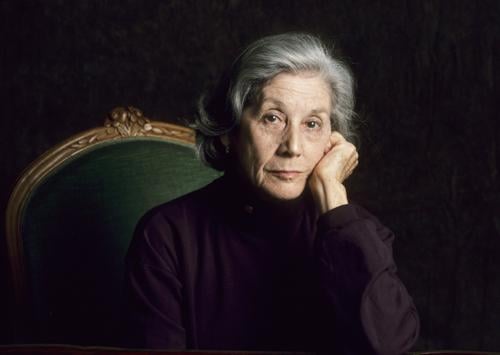
Nadine Gordimer discusses her book "A Guest of Honor"
Nov. 6, 1970 South African writer and political activist Nadine Gordimer joins Studs Terkel to talk about her book “A Guest of Honor,” a novel that explores African politics in a post-colonialism era. As an introduction to their conversation, Terkel plays a clip of an interview with Conor Cruise O’Brien, where an interaction with former Ghanaian president Kwame Nkrumah is discussed.
-
Myra Alexander discusses what's wrong with Chicago
1980 Content Warning: This conversation includes racially and/or culturally derogatory language and/or negative depictions of Black and Indigenous people of color, women, and LGBTQI+ individuals. Rather than remove this content, we present it in the context of twentieth-century social history to acknowledge and learn from its impact and to inspire awareness and discussion. A citizen of Chicago, Myra Alexander, believes Chicago is lost and hopeless. Chicago, she explains, will always have its problems with its one party system. Alexander said prejudice is wide-spread in Chicago.
-
Murray Kempton talks with Studs Terkel
Sep. 13, 1973 Murray Kempton discusses race relation in the United State of America and the Black Panther Trial in New York. Murray also discusses his book, originally published as, "The Briar Patch: The People of New York versus Lumumba Shakur, et al." This book was reprinted as "The Briar Patch: The Trial of the Panther 21" in 1997.
-
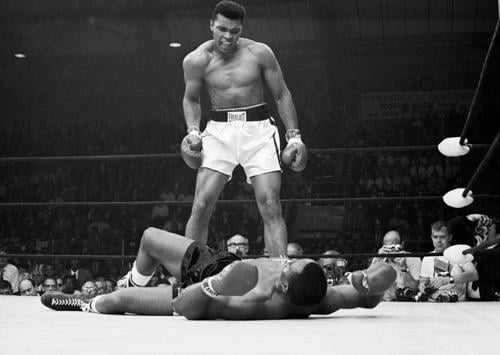
Muhammad Ali discusses his book "The Greatest: My Own Story"
Nov. 26, 1975 Content Warning: This conversation includes racially and/or culturally derogatory language and/or negative depictions of Black and Indigenous people of color, women, and LGBTQI+ individuals. Rather than remove this content, we present it in the context of twentieth-century social history to acknowledge and learn from its impact and to inspire awareness and discussion. Muhammad Ali discusses his book "The Greatest: My Own Story," touching on topics including his childhood and family, conversion to Islam, stance on the Vietnam War, and experiences in jail.
-
Mrs. Bailey Bishop and Edith Neisser talk about education of children, part 2
1965 Part 2 of a series sponsored by the national conference of Christians and Jews. Includes "Rearing the Child of Good Will" and "The Child and the Changing World." Mrs. Bailey Bishop and Ms. Neisser discuss the importance of an open mind and a accepting environment in education and at home, and how this helps the children to accept change as it happens.