

-
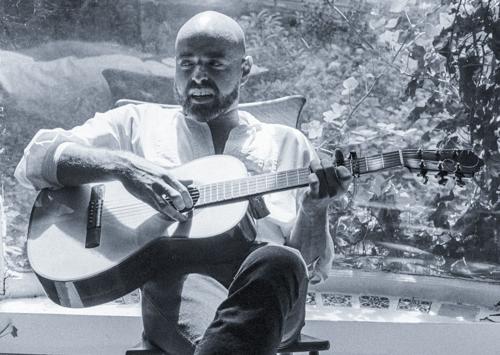
Shel Silverstein discusses his books, children's literature, and art; part 2
Nov. 20, 1961 Shel Silverstein discusses his books and children's literature, and art. Shel Silverstein discusses his contemporaries, art, and life experiences.
-

Shana Alexander discusses her book "Happy Days"
Nov. 10, 1995 The book, "Happy Days: My Mother, My Father, My Sister and Me," gives a lot of background about Shana Alexander's father, Milton Ager. A few of Ager's songs are played throughout the interview. Alexander also glosses over her time spent with "Life Magazine," and with "60 Minutes."
-
Sarah Caldwell discusses conducting operas
Aug. 2, 1976 Sarah Caldwell expresses how fortunate she's been in her career as a conductor. This recording also contains an excerpt with opera bass-baritone Donald Gramm.*Please note: some sections have been edited out from the original recording due to copyright considerations
-
Sandy Paton discusses his career in folk music
1961 *Please note: some sections have been edited out from the original recording due to copyright considerations
-
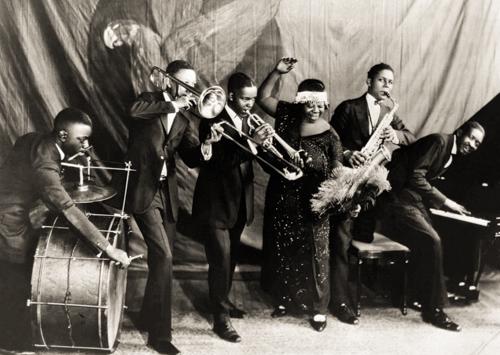
Sandra Lieb discusses the book "Mother of the Blues: A Study of Ma Rainey"
Jan. 12, 1982 Sandra Lieb discusses the book "Mother of the Blues: A Study of Ma Rainey." Includes songs sung by Ma Rainey such as "Runaway Blues," "See See Rider," "Moonshine Blues," and "Oh, Papa Blues." Includes poem "Ma Rainey" by Sterling Brown. Includes "Oh, Daddy," by Ethel Waters. Includes "Young Woman's Blues" by Bessie Smith.
-
-
Sam Pilafian and Gerhard Meinl discuss the tuba
Aug. 30, 1991 While in town for the Chicago Jazz Festival, Sam Pilafian and Gerhard Meinl discuss the history of the tuba. With demonstrations on the tuba, they play scales and other short pieces. Gerhard Meinl's family business of making instruments like the tuba has been around since 1810, explained Meinl.
-
Sam Gary and Josh White discuss folk music and their careers
1960 Interviewing singer, guitarist, and civil rights activist Josh White and blues singer Sam Gary about their blues and folk music.
-
Ryland Davies and Margaret Price discuss opera and their performance in Mozart's "Don Giovanni"
1972 Ryland Davies and Margaret Price discuss opera, Welsh art and culture, and their musical upbringings. They discuss various characters and operas they have performed in, including "Don Giovanni" and "Lulu". Music is played throughout the original airing, but has been removed from this recording for copyright reasons.
-
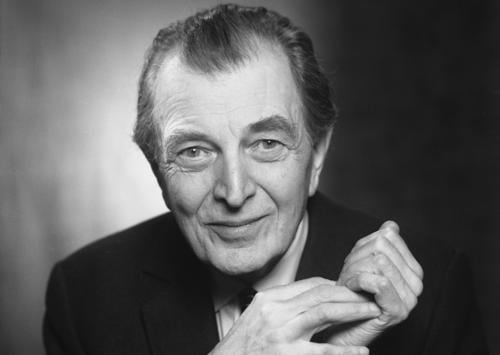
Russian-born composer Alexander Tcherepnin talks with Studs Terkel
Apr. 13, 1965 Studs Terkel and Tcherepnin discuss Tcherepnin's early years in Leningrad, his creative drive and its relation to real-life experiences and the influence of Chicago on his 1953 Op. 87 Suite for Orchestra.
-
Russell Sherman discusses and reads from his book “Piano Pieces”
May. 17, 1996 Author and pianist Russell Sherman discusses his book “Piano Pieces” and the philosophical concepts associated with listening to and playing music. Sherman plays a selection of compositions in the studio.
-
Rudolph Ganz discusses his career
Feb. 23, 1964 When Rudolf Ganz was younger, he first played the cello. After his cello broke into 800 pieces, Rudolph Ganz's father told Ganz he had to play the piano. Ganz became a world-renowned pianist and composer. Ganz's attitude toward music: in order to be progressive, one has to respect the past.
-
Ross Firestone discusses his book "Swing, Swing, Swing: The Life & Times of Benny Goodman"
Mar. 26, 1993 Benny Goodman was one of 12 children and when he was little, his father took him to a synagogue where he learned to play the clarinet. Ross Firestone's book, "Swing, Swing, Swing: The Life and Times of Benny Goodman" is full of information about the musician. Goodman was a perfectionist, always wanting to better at his craft. According to Firestone, as a band leader, Goodman never thanked any musicians that played for him or with him.
-
Rosalie Sorrels discusses her career
Sep. 10, 1982 Rosalie Sorrels discusses her career, family, and folk music. Includes Rosalie Sorrels reading her mother's writing. The following songs have been removed due to copyright restrictions: "Traveling Lady", "You Can't Go Home Again", "Her Mantle So Green", "If You Love Me", and "The Long Memory". Cal Hans plays the dobro in the background and makes some comments. Includes performance by pianist Daniel Varsano at the end.
-
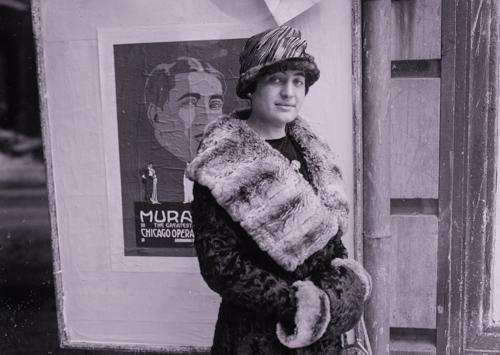
Rosa Raisa, in Chicago for the restoration of the Auditorium Theater, reflects on her career
Dec. 13, 1961 Studs Terkel interviews soprano Rosa Raisa about her career in Opera.