Listen to New Voices on Studs Terkel our partnership with 826CHI-here! Read the Story


Showing 466 - 480 of 1183 results
-

-
Judy Collins discusses songwriting, success, and reproductive rights
1970 Judy Collins discusses how she began writing her own songs; successes in her career; and the fight for abortion rights.
-

-
Joseph Hanson Kwabena Nketia discussing his career and Ghanian music
Jun. 2, 1959 *Please note: some sections have been edited out from the original recording due to copyright considerations
-
Josef Krips discusses his art and music
Nov. 1, 1964 Maestro Josef Krips is mostly associated with conducting Mozart operas. He discovered early in his career that conducting Mozart is very difficult, but he believed that Mozart should be enjoyed by everyone, not just the well-to-do in society. He also believed art is an essential part of life that should be experienced by everyone.*Please note: some sections have been edited out from the original recording due to copyright considerations
-
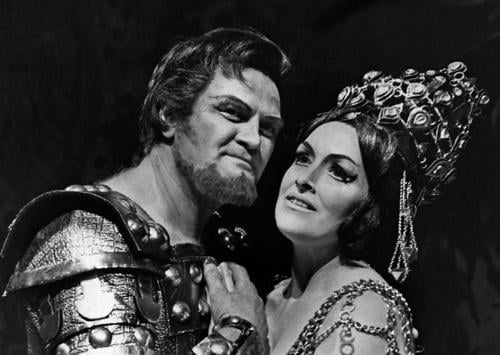
Jon Vickers discusses his career
Oct. 11, 1974 Jon Vickers discusses his career, opera music, and opera singers.
-
John Steinway discusses the family business of making pianos
Nov. 4, 1965 As a result of making cabinets, the family business of making pianos started in 1853. John Steinway is a 4th generation piano-maker. Steinway talks about his own apprenticeship and first learning about wood. He feels the pianos are made better today because long ago, only two men made a piano versus a six or eight man crew to perfect the craftmanship today.*Please note: some sections have been edited out from the original recording due to copyright considerations
-
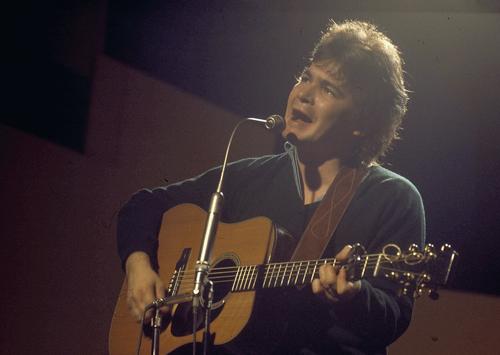
John Prine discusses songwriting and growing up in Southern Illinois
1972 Studs and John briefly discuss coal mining in Appalachia, specifically Blackey, Kentucky. Includes an interview with Joe Begley a coal miner from Blackey.
-
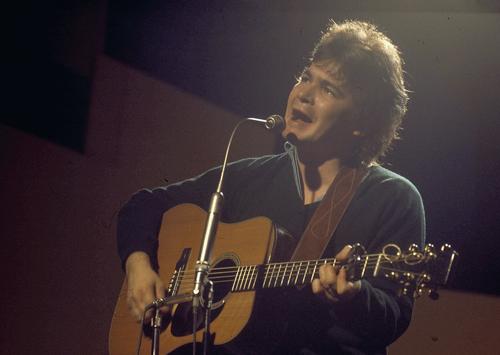
John Prine discusses his life and his formation in music
1975 The opening song is a rebroadcast from a previous recording with Studs Terkel. John Prine talks about his family history in Paradise, Kentucky and when he was born and raised in Maywood, Illinois (Chicago Greater Area). Prine is known for humorous lyrics about love, life, and current events, as well as serious songs with social commentary, or which recollect melancholy tales from his life. All the songs are played in the studio from his albums "John Prine" and "Diamonds in the Rough"
-

John Miller Chernoff and Eric Rucker discuss African music
Mar. 5, 1980 Discussing African drums, African music, and John Chernoff's book "African Rhythm and African Sensibility" with John Chernoff and Eric Rucker. Includes John Chernoff and Eric Rucker playing the drums. Includes an earlier interview clip of two drummers battling from the island of Silan.
-
John Litweiler in conversation with Studs Terkel
Jul. 1, 1984 Discussing the book "The Freedom Principle: Jazz After 1958" (published by Morrow) with author and jazz historian John Litweiler.
-
-
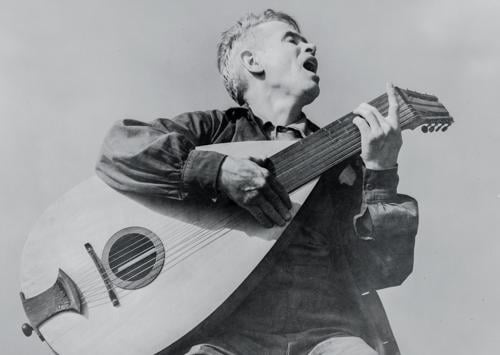
John Jacob Niles discusses his music
May. 10, 1957 The dulcimer is not only a musical instrument that John Jacob Niles plays, but he builds them too. Playing some scales, Niles gives a brief demonstration of the dulcimer, Niles explained people often requested he play his love songs. Niles believed love is something that is easily relatable to many people.
-
John Hammond and John McDonough discuss music and their careers
Sep. 11, 1975 Presenting music with music producer (impresario) John Hammond. The following topics were discussed: various recordings; his encounters with famous jazz musicians; the first time he met Billie Holiday; the song "Strange Fruit"; improvisation; racial reform; Bessie Smith's death; and uniting rural and urban artists. The following musical excerpts were played and have been removed for copyright reasons: "7 Come 11"; "This Years Kisses"; "Lady Be Good"; "Young Woman's Blues"; "What More Can Jesus Do"; and "Piney Brown Blues".
-
John Hammond and John McDonough discuss music
1970 Music producer John Hammond and jazz critic for Down Beat magazine John McDonough discuss: Hammond's career; the artists he worked with; the artists he was the first to sign; social reform; and more. The following musical excerpts are played: "7 Come 11"; "Sauce"; "Talking Union"; "Blowing In the Wind"; "Today I Sing The Blues"; and "Live Embers".