Listen to New Voices on Studs Terkel our partnership with 826CHI-here! Read the Story


Showing 436 - 450 of 1183 results
-
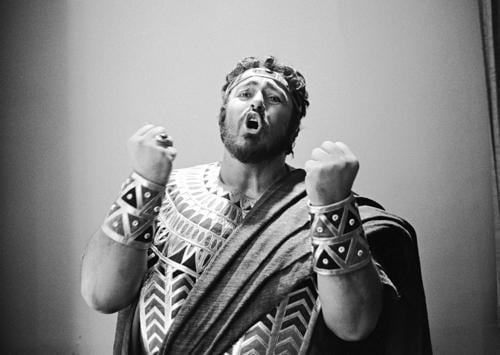
Luciano Pavarotti discusses singing for the Pope and other audiences
Oct. 8, 1979 Pavarotti recalls his meeting with the Pope was very special. Singing "Ave Maria" for him was like God lit up, explained Pavarotti. There are more younger people in the audience, said Pavarotti. They're very surprised that opera's so beautiful, as they believed it was an old fashioned thing.
-
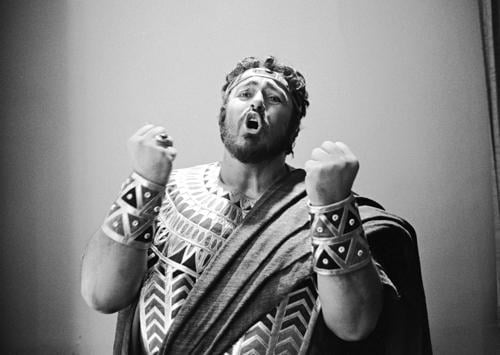
Luciano Pavarotti discusses performing
Nov. 20, 1975 Instead of being called "The King of the High C's," Pavarotti would rather be known as "The King of the Bel Canto". Pavarotti said he didn't have the greatest of enthusiasm prior to performing his first concert. However, it ended up being a phenomenal experience, he said. A great singer, Pavarotti added, is very human and romantic. One needs to feel what one's singing and lastly, one must be a beautiful person inside.
-
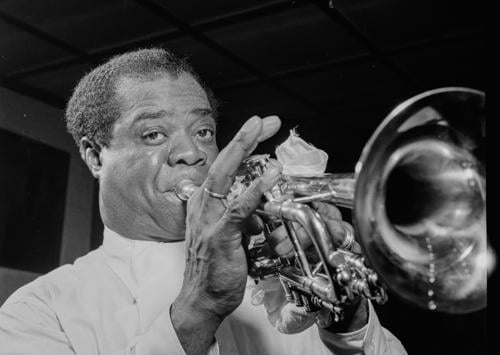
Louis Armstrong discusses music
Jun. 24, 1962 In a nightclub in Chicago, at two in the morning and after a performance, Louis Armstrong talks about his music stylings. Notes are good to learn the tune, says Armstrong, but it's all about the phrasing. Armstrong explained, it's up to you to express yourself. Armstrong shared the one piece of advice that had always stuck with him. King Oliver told Armstrong not to worry about the notes but rather to put some lead into the song.
-

Lotte Lehmann talks with Studs Terkel
Apr. 14, 1960 Lotte Lehmann discusses her retirement from opera and how she knew when to stop singing concerts.
-
Lotte Lehmann discusses her opera roles and how opera has changed
Apr. 18, 1960 Interviewing Madame Lotte Lehmann about her opera roles and how the genre of opera has changed.
-
Lois Wheeler Snow discusses her book "China on Stage"
Dec. 19, 1972 The Peking Opera and "Taking Tiger Mountain by Strategy" are among topics discussed in Lois Wheeler Snow's book, "China on Stage: An American Actress in the People's Republic". While visiting China, Snow learned the Chinese plays were both of the traditionally old ways and of the new revolutionary ways. Snow also adds that performances of Chinese acrobatics is like nothing in the United States.
-
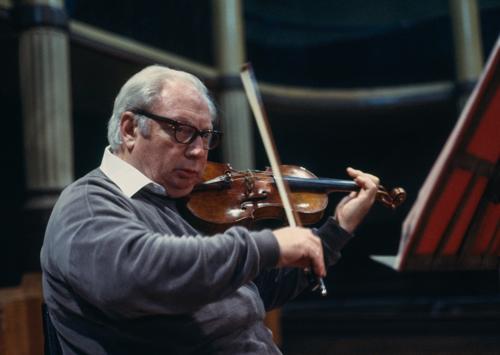
Live musical performance by Isaac Stern
Jan. 20, 1989 Studs Terkel sits down to interview American Violinist Isaac Stern. Stern performs for Terkel on the radio.
-
Listening to and discussing the "Living Music Collection '86," with saxophonist, bandleader, and composer Paul Winter
Oct. 20, 1986 Listening to the Living Music Collection
-
-
-
Lino Chavez and his Mexican Folk Ensemble discuss music, culture and performing
Aug. 12, 1959 Lino Chavez and his Mexican Folk Ensemble discuss, through a translator, Mexican culture and music and perform their song "El Jarabe" at 2:50, "El Tilingo" at 13:50, "Maria Chuchena" at 23:05, "El Cascabel" at 29:31, "La Bamba" at 38:39, and "El Ahualulco" at 47:55. These songs have been removed from this recording.
-
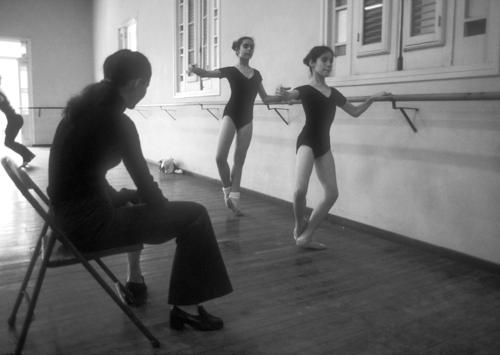
Linda Winer discusses Cuban dance, culture, and politics
Dec. 13, 1974 Art critic Linda Winer discusses her Chicago Tribune series on Cuba social culture and political conditions, especially in regards to dance companies. Studs plays a live version of "Guantanamera" - Pete Seeger (1963), "Canto Para Elegua" - Grupo Folklorico de Cuba, and “Canto a Wamba” - El Conjunto Experimental Santero.
-
Lincoln Mayorga discusses American popular piano music
May. 30, 1984 Studs Terkel and Lincoln Mayorga discuss the evolution of American popular piano music with Mayorga playing examples.
-
-