Listen to New Voices on Studs Terkel our partnership with 826CHI-here! Read the Story


Showing 61 - 75 of 116 results
-
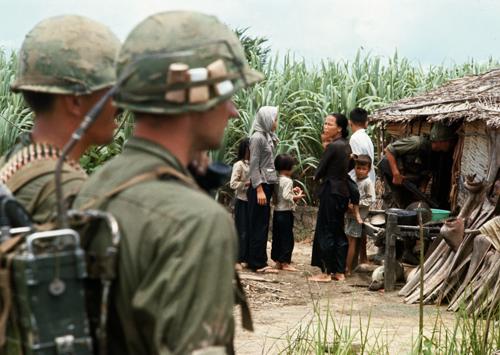
First Lieutenant Louis Font discusses life at West Point Military Academy; part 2
1970 Lieutenant Louis Font discusses daily life at West Point Military Academy and being a conscientious objector; part 2.
-
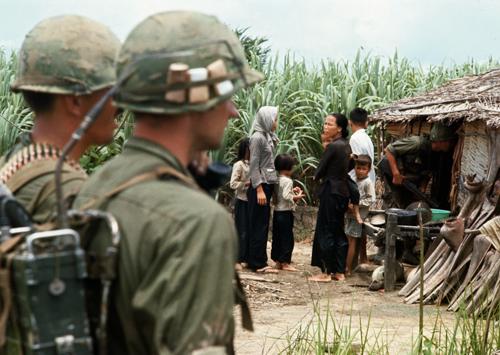
First Lieutenant Louis Font discusses how he became a conscientious objector as a West Point Military Academy graduate; part 1
1970 First Lieutenant Louis Font discusses the events and thought process that led to becoming conscientious objector to the Vietnam War as a recent West Point Military Academy graduate. He also talks about daily life at West Point; part 1.
-

Father John McKenzie and Dr. Howard Schomer discuss personal responsibility, morality and hate, as it pertains to the Vietnam War ; part 2
1965 The interview continues with Father John McKenzie and Dr. Howard Schomer talking about fear and dissent. Schomer says Christians have the duty to dissent when they believe their beliefs are being contradicted by policy. He also talks about not understanding a dampening down of the human mind when it comes to human issues. Father McKenzie adds that society is made up of the best educated ignoramuses that ever existed.
-
Father John McKenzie and Dr. Howard Schomer discuss personal responsibility, morality and hate, as it pertains to the Vietnam War ; part 1
1965 Whether in the United States or Vietnam, Dr. Schomer asks what are our personal responsibilities for the atrocities? Father John McKenzie talks about a lowering of people's moral tone. People have put their morality in their pockets, so as to get cleared of something and not get involved, added Father McKenzie.
-
Father Daniel Berrigan discusses his life
Jun. 1, 1972 Fr. Daniel Berrigan speaks about his early life, and relationship with his family, on his becoming a priest, and on being an anti-Vietnam War activist.
-
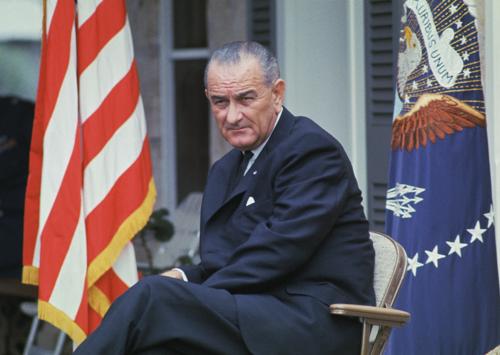
Eric Goldman discusses his experiences as special consultant to President Lyndon Johnson
1967 Historian Eric Goldman discusses his time as special consultant for President Lyndon B. Johnson and his book "The Tragedy of Lyndon Johnson."
-
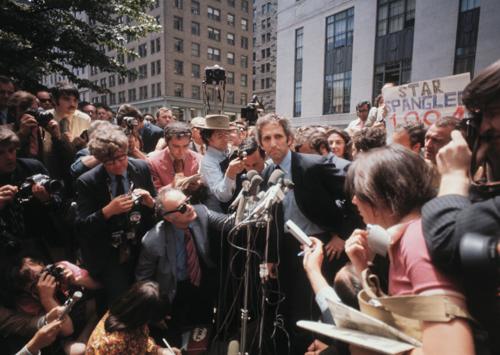
Eqbal Ahmad, Daniel Ellsberg, Anthony Lukas and Anthony Russo talk with Studs Terkel ; part 3
Jun. 9, 1972 Eqbal Ahmad, Daniel Ellsberg, Anthony Lukas and Anthony Russo discuss Anthony Russo's trial and treatment he endured during his time from conviction to release in federal prison compared to the treatment of prisoners tortured in Vietnam.
-
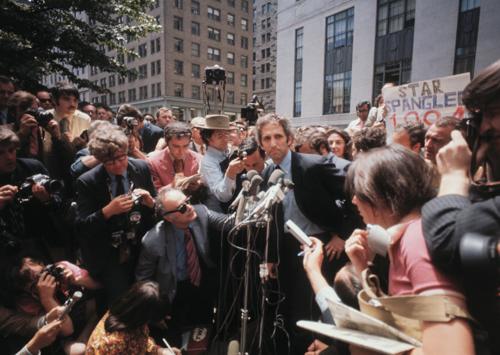
Eqbal Ahmad, Daniel Ellsberg, Anthony Lukas and Anthony Russo talk with Studs Terkel ; part 2
Jun. 9, 1972 Daniel Ellsburg, Eqbal Ahmad, Anthony Lukas, and Anthony Russo discuss Anthony Russo's time in jail, the leak of the Pentagon Papers, Vietnam War, torture of Vietnam prisoners being ignored, corruption in politics, and working for Rand.
-
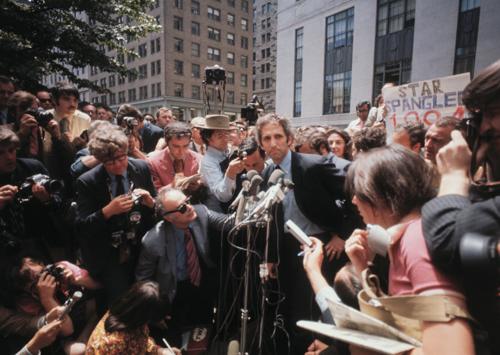
Eqbal Ahmad, Daniel Ellsberg, Anthony Lukas and Anthony Russo talk with Studs Terkel ; part 1
Jun. 9, 1972 Eqbal Ahmad, Daniel Ellsberg, Anthony Lukas and Anthony Russo discuss their introduction into becoming activitsts, leaking the Pentagon Papers, Nixon Administration, and their philosophy on working for men in power.
-
Edward T. Hall discusses his book "Beyond Culture"
Apr. 28, 1976 Edward T. Hall talks about his beliefs on culture. The discussion includes how cultures differ between countries with a focus on Vietnam. They also discuss the cultural differences in America. Hall also explores how technologies, such as computers and vehicles change culture and cause people to become more like the machine itself. The end of the interview includes a short reading of "Beyond Culture".
-
Dr. Ronald J. Glasser discusses his book "Another War, Another Peace"
May. 10, 1985 Discussing the book "Another War, Another Peace: A Novel" with the author Dr. Ronald J. Glasser.
-
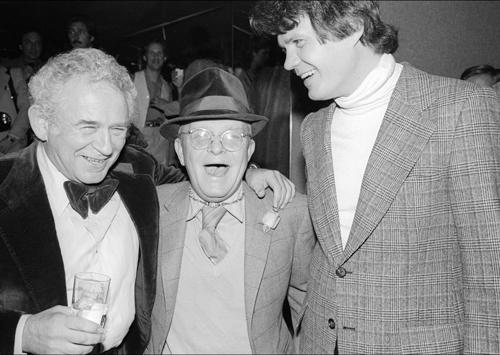
Dotson Rader discusses his book "I ain't marchin'anymore" with Studs Terkel
Feb. 26, 1971 The program starts with a short clip of Studs Terkel interviewing Peggy Terry talking about The Great Depression and American propaganda during Vietnam War. After that clip. Dotson Rader starts to talk about his book "I ain't marchin' anymore"
-
Doris Kearns Goodwin talks about her book "Lyndon Johnson and the American Dream"
1976 Doris Kearns Goodwin talks about her book and her relationship with President Johnson.
-
Donald Luce discusses the problems in Vietnam
Donald Luce had been living & helping the people of South Vietnam through the International Voluntary Service. Luce believed it was important to come back to the states to talk about the problems in Vietnam. Luce said the Vietnamese government could not provide its people waste disposal, electricity and running water. Luce went to Congress to voice his concerns. It was at the State Department who didn't seem to care all to much.
-
Donald Duncan reads from and discusses his book "The New Legions" ; part 2
Content Warning: This conversation includes racially and/or culturally derogatory language and/or negative depictions of Black and Indigenous people of color, women, and LGBTQI+ individuals. Rather than remove this content, we present it in the context of twentieth-century social history to acknowledge and learn from its impact and to inspire awareness and discussion. While reading a passage from his book, Donald Duncan questions why he and other military personnel are in Vietnam. He finds other men that feel the same way, too,