

-

Bob Gibson, Hamilton Camp in conversation with Studs Terkel
Apr. 1, 1985 Promoting Hobson's Choice with Bob Gibson and Hamilton Camp
-
Bill Adelman, Paul Avrich, Carolyn Ashbaugh, and Bill Neebe discuss the Haymarket Square Riot
May. 2, 1986 Commemorating the centennial of the Haymarket Square Riot, or Haymarket Affair, are authors and historians Bill Adelman, Paul Avrich, Carolyn Ashbaugh, and the grandson of Haymarket defendant Oscar Neebe, Bill Neebe. The interveiwees create a timeline of the events leading up to the Haymarket Riot including the German immigrants living situations, unions and strikes, police brutality and corruption. The group also lays out the events from May 1st to May 5th and then the following corrupt trials.
-
Barry Byrne discusses architecture of Chicago ; part 2
1970 Architect Barry Byrne talks about Chicago architecture and urban planning, including past architects Louis Sullivan and Frank Lloyd Wrigh. Byrne discusses how "form follows function," is no longer important to architects and warns that fashion should not be followed, because buildings are forever.
-
Barry Byrne discusses architecture of Chicago ; part 1
1970 Barry Byrne, architect, recalls his life and how architecture has changed in his lifetime. He discusses his childhood, the death of his father, the Prairie School, and his time working under Frank Lloyd Wright. Byrne also touches on how Chicago's cityscape has changed such as the disappearance of small neighborhoods.
-
Art Shay discusses his book, "Nelson Algren's Chicago," and his friendship with Algren
Dec. 20, 1988 Studs interview with Art Shay opens and closes with a slow blues piece. Shay discusses his picture book, "Nelson Algren's Chicago." He and Studs discuss the people and events in a number of pictures from the book. Studs plays a recording of Algren reading from one of his novels. Studs quotes critic, Rick Kogan of the Tribune.
-
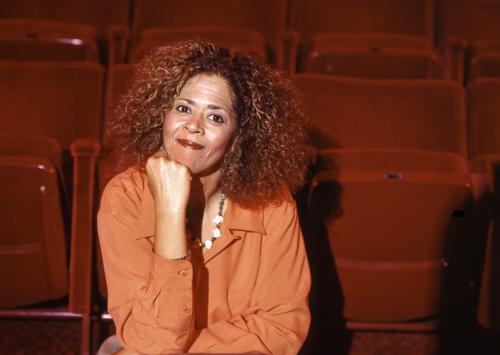
Anna Deavere Smith discusses her career
May. 4, 1995 Anna Deavere Smith discusses and demonstrates her unique character portrayals from her works "Fires in the Mirror" and "Twilight: Los Angeles, 1992."
-
Anita Miller and Jeanne Madeline Weimann discuss their book, "The Fair Women"
Jul. 17, 1981 Anita Miller and Jeanne Madeline Weimann discuss their book, The Fair Women, published in 1981, a book that talks about the women's role in the World's Columbian Exposition, especially in the creation of the Women's Building.
-
Allan Evans and Henry Jordan discuss The Foundation Years ; part 2
1970 Allan Evans and Henry Jordan, two young man who grew up in Chicago and attended Dartmouth, discuss The Foundation Years project. They talk about trying to recruit friends to Dartmouth, their campus experiences, and their coursework. They also talk about their experiences going through the public school system in Chicago, where they point out many of the inequalities for black students.
-
Allan Evans and Henry Jordan discuss "The Foundation Years" ; part 1
1970 Allan Evans and Henry Jordan, two young man who grew up in Chicago and attended Dartmouth, discuss their childhoods and adolescent dealing with crime. The two also talk about their gang, The Vice Lords, and the police brutality they experienced. Next, the group talks about the The Foundation Years, a project from Dartmouth.
-
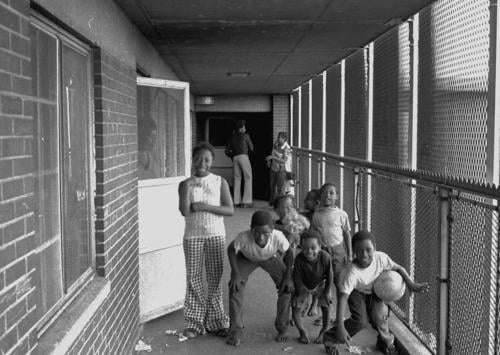
Alex Kotlowitz discusses his book "There Are No Children Here"
Feb. 28, 1991 Discussing the book "There Are No Children Here: The Story of Two Boys Growing up in the Other America" with author Alex Kotlowitz. Includes excerpt from WFMT doumentary, "Born to Live".
-
Actress Verna Bloom discusses being arrested in Chicago ; part 2. Also included are conversations with a lady behind a cigar counter and a cab driver
1968 Content Warning: This conversation includes racially and/or culturally derogatory language and/or negative depictions of Black and Indigenous people of color, women, and LGBTQI+ individuals. Rather than remove this content, we present it in the context of twentieth-century social history to acknowledge and learn from its impact and to inspire awareness and discussion. Verna Bloom continues to talk about how scared she was when being arrested. Bloom said she was hand-cuffed for an hour. One of Bloom's friends was able to smooth things over with the police and she was finally released.
-
Actress Verna Bloom discusses being arrested in Chicago ; part 1
1968 The day after being arrested in Chicago, Verna Bloom talks about the outrage and humiliation she felt. In great detail, she describes what led up to her arrest. Bloom contends she was doing nothing other than enjoying the nice weather when a police officer arrested her.
-
Abena Joan Brown discusses the ETA Creative Arts Foundation
Feb. 14, 1989 Abena Joan Brown, President of ETA Creative Arts Foundation, a Chicago-based African American cultural performing arts institution discusses some upcoming shows and past activities. Artists, Paul Robeson, Mahalia Jackson, Billie Holiday, Sam Cooke and poet Angela Jackson are discussed.
-
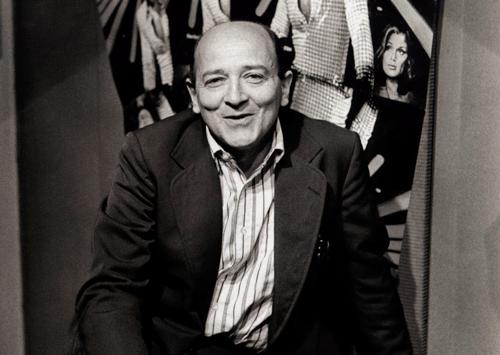
A London cab driver discusses traffic and Karel Reisz talks about making movies
1962 While riding in a cab, the driver talks about the narrow streets of London. He also talks about the traffic and why he believes traffic will only get worse in the future. Producer and director Karel Reisz explains how making films in England and America differ from how films are made Italy. Reisz also talks about the freedom of a director when making a film. With regards to viewership, according to Reisz, films are in 2nd place behind TV.
-
A conversation with Jim Carroll, author of The Basketball Diaries
Feb. 16, 1981 The punk poet and musician describes how his imagination and his love of literature led him to view the world with a unique perspective, different than that of his working-class family and neighborhood friends.*Please note: some sections have been edited out from the original recording due to copyright considerations