Listen to New Voices on Studs Terkel our partnership with 826CHI-here! Read the Story


Showing 91 - 105 of 272 results
-

Jim Fuerst, Terry Brunner in conversation with Studs Terkel
Sep. 3, 1986 Discussing the debate over the site of the new Chicago Public Library with poet Jim Fuerst and Terry Brunner, Executive Director of the Better Government Association.
-
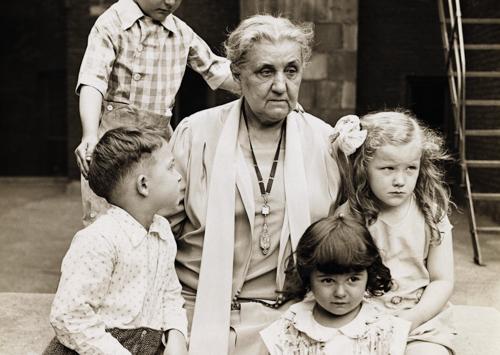
Jessie F. [Florence] Binford talks with Studs Terkel about Jane Addams
Jun. 13, 1960 Ms. Binford talks with Studs about Jane Addams life and her dedication to social service with the women and children of Chicago. Ms.Binford discusses the creation of Hull House and the associated buildings and how deeply in need they were of the help.
-
Jessie Binford discusses Hull House and Chicago ; part 4
1968 Jessie Binford discusses Chicago and Hull House
-
Jessie Binford discusses Hull House and Chicago ; part 3
1968 Jessie Binford discusses Chicago and Hull House
-
Jessie Binford discusses Hull House and Chicago ; part 2
1968 Jessie Binford discusses Chicago and Hull House
-
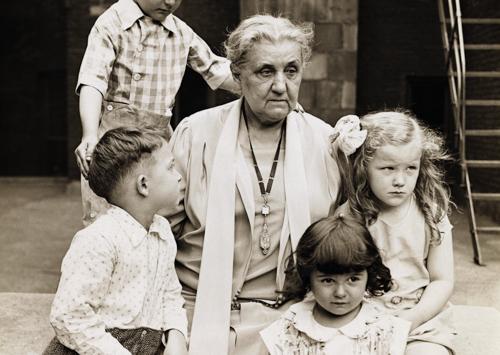
Jessie Binford discusses Hull House and Chicago ; part 1
1968 Jessie Binford discusses Chicago and Hull House
-
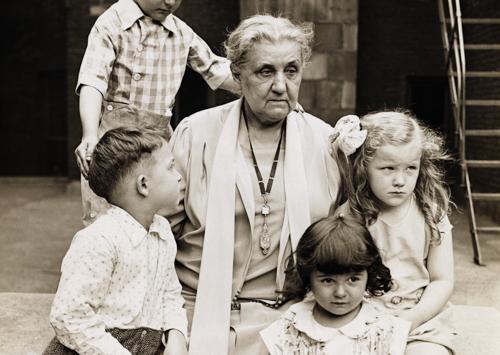
Jessie Binford discusses Chicago and Hull House
1968 Jessie Binford discusses Hull House and Chicago.
-
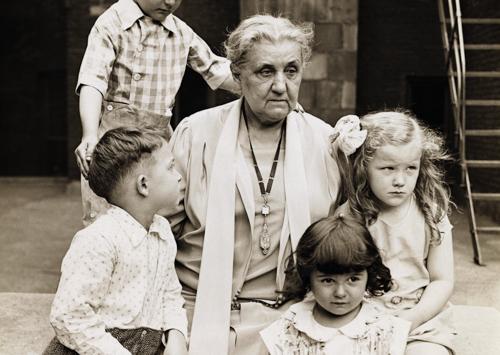
Jessie Binford discusses Chicago and Hull House
1968 Jessie Binford discusses Hull House and Chicago.
-
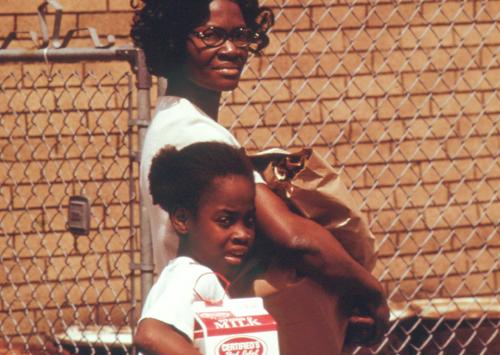
Jean Komaiko and Dr. Quentin Young discuss hunger in Chicago
Feb. 6, 1969 Joan Komaiko saw there were kids who could buy cartons of milk for four cents and the other kids who couldn't afford the milk, sat and watched the ones who drank the milk. Komaiko wrote a letter to the school board pointing out how kids couldn't do well at school because they were sent to school hungry. Dr. Quentin Young explained that the government needs to provide the children with breakfast and lunch at the schools because those two meals were probably the only meals children would receive that day.
-
Janet Beller discusses her work "Street People"
Aug. 1, 1980 Interviewing author-photographer of "Street People" Janet Beller.
-
Jan Bauer, Mary Garrity, Ann Griffin, and Harry Wells discuss Chicago law system and community groups
Mar. 13, 1978 Jan Bauer, Mary Garrity, Ann Griffin and Harry Wells discuss crime, poverty, law, and community relations. They each come from different community programs which are trying to make Chicago safer for everyone.
-
James Dapogny discusses jazz and the many faces of the genre
Aug. 14, 1984 Bandleader, jazz musicologist and composer James Dapogny discusses his work in reviving the sound and art of jazz. Dapogny's work is mainly associated with his group James Dapogny's Chicago Jazz Band and his career in publishing lost works of Ferdinand "Jelly Roll" Morton.
-
Irv Kupcinet discusses his autobiography "Kup: A Man, An Era, A City"
Dec. 8, 1988 Irv Kupcinet said he was embarrassed to admit how many hours he'd spend per day working on one story for his column. Kup explained his work life, his social life and personal life all gelled together because he was working about 18 hours a day. Reading papers every morning and making phones to his various contacts were the main ways Irv Kupcinet got his information.
-
-